 Back
BackChemical Foundations of Life: Functional Groups and Biomolecules
Study Guide - Smart Notes
 Tailored notes based on your materials, expanded with key definitions, examples, and context.
Organic Molecules & Biomolecules
Definition and Importance
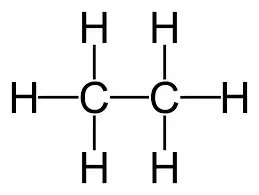
Organic molecules, also known as biomolecules, are compounds found in or derived from living organisms. They are primarily composed of carbon and hydrogen atoms arranged in rings or chains. These molecules form the structural and functional basis of all living things.
Organic molecules contain both carbon and hydrogen.
Examples include carbohydrates, proteins, nucleic acids, and lipids.
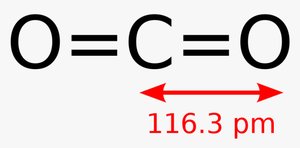
Inorganic molecules, such as CO2, may contain carbon but lack hydrogen bonded to it.
Carbon: The Backbone of Life
Properties of Carbon
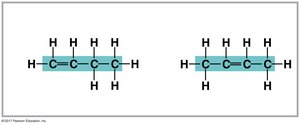
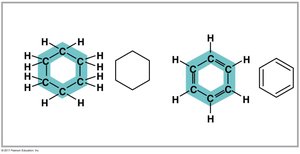
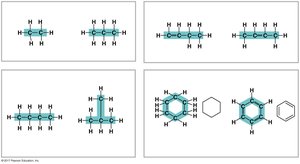
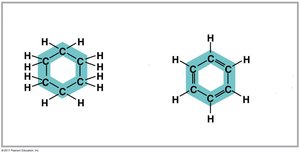
Carbon is unique in its ability to form diverse molecules due to its four valence electrons, allowing it to make four covalent bonds with other atoms. These bonds can be single or double, and carbon skeletons can be linear or form rings.
Carbon skeletons provide the framework for organic molecules.
Structural diversity arises from variations in length, branching, and ring formation.
Functional Groups
Definition and Role
Functional groups are specific groups of atoms attached to the carbon skeleton of organic molecules. They determine the chemical properties and reactivity of these molecules by participating in characteristic chemical reactions.
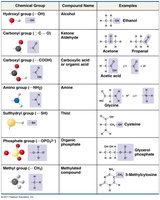
There are seven major functional groups in living organisms: Hydroxyl, Carbonyl, Carboxyl, Amino, Sulfhydryl, Phosphate, and Methyl.
Major Functional Groups
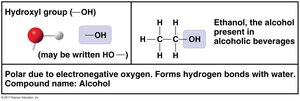
Hydroxyl (–OH): Found in alcohols; polar and forms hydrogen bonds with water.
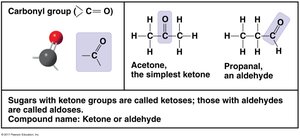
Carbonyl (C=O): Found in ketones and aldehydes; increases molecule's reactivity.
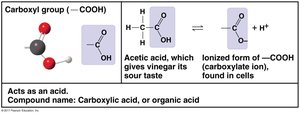
Carboxyl (–COOH): Acts as an acid; found in amino acids and fatty acids.
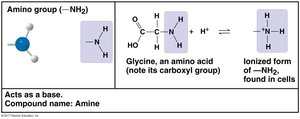
Amino (–NH2): Acts as a base; found in amino acids.
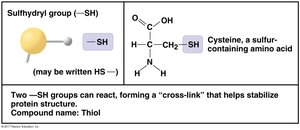
Sulfhydryl (–SH): Forms disulfide bridges in proteins; found in cysteine.
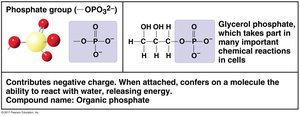
Phosphate (–OPO32–): Contributes negative charge; found in ATP, DNA, and RNA.
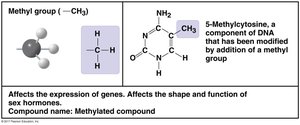
Methyl (–CH3): Affects gene expression and molecular shape.
Monomers & Polymers
Building Biomolecules
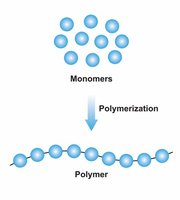
Biomolecules are often polymers, large molecules made by linking together smaller units called monomers. The process of forming polymers from monomers is called polymerization.
Monomers: The repeating units that serve as building blocks for polymers.
Polymers: Long molecules consisting of many similar or identical monomers linked by covalent bonds.
Dehydration and Hydrolysis Reactions
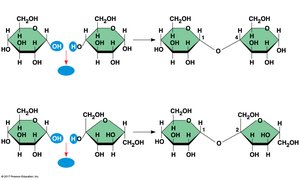
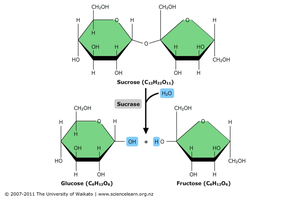
Dehydration Reaction: Joins monomers by removing a molecule of water, forming a covalent bond.
Hydrolysis Reaction: Breaks polymers into monomers by adding water, breaking covalent bonds.
Classes of Biomolecules
Overview
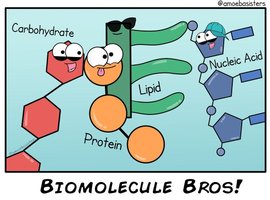
Cells contain thousands of different biomolecules, which can be grouped into four main classes: carbohydrates, proteins, nucleic acids, and lipids. Each class has unique structures and functions essential for life.
Carbohydrates
Structure and Types
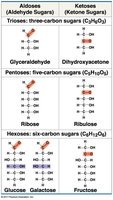
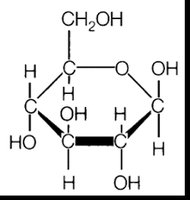
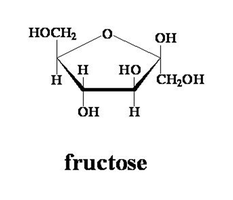
Carbohydrates are sugars and polymers of sugars. The simplest carbohydrates are monosaccharides, which serve as monomers for more complex carbohydrates.
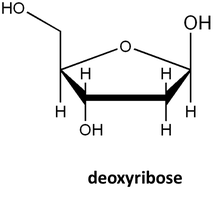
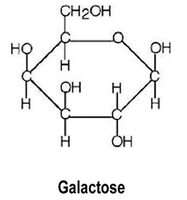
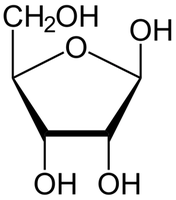
Monosaccharides: Simple sugars (e.g., glucose, fructose, galactose, ribose, deoxyribose).
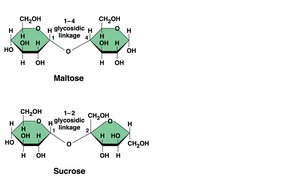
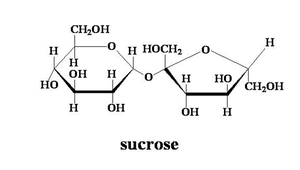
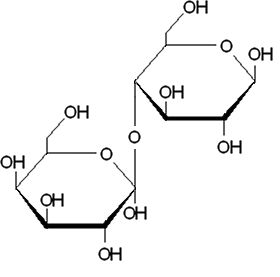
Disaccharides: Double sugars formed by joining two monosaccharides (e.g., sucrose, lactose, maltose).
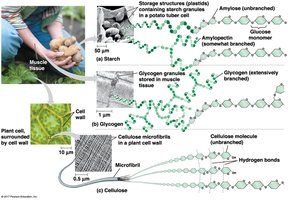
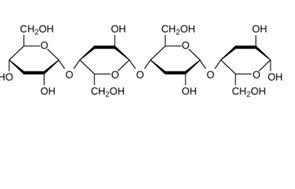
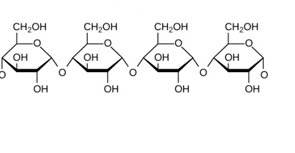
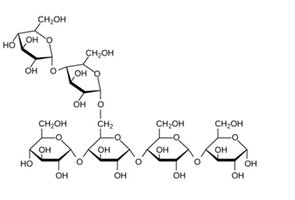
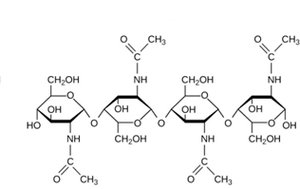
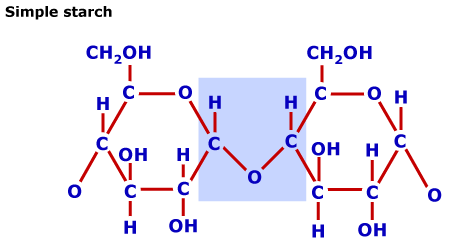
Polysaccharides: Large polymers of monosaccharides (e.g., starch, glycogen, cellulose, chitin).
Functions of Carbohydrates
Fuel: Main source of energy for cellular processes (e.g., glucose for ATP production).
Building Blocks: Structural components (e.g., cellulose in plant cell walls, deoxyribose in DNA).
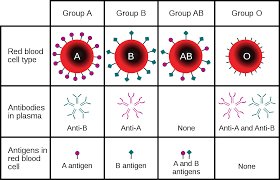
Cell Markers: Carbohydrates on cell surfaces serve as identification tags (e.g., blood group antigens).
Storage: Glycogen in animals (short-term), starch in plants (long-term).

Proteins
Structure and Function
Proteins are the most abundant biomolecules and are essential for all living organisms. They serve as enzymes, structural components, hormones, antibodies, and more. The function of a protein is determined by its structure.
Amino acids: Monomers of proteins; 20 different types exist.
Peptide bonds: Covalent bonds linking amino acids, formed by dehydration reactions.
Levels of Protein Structure
Primary: Sequence of amino acids.
Secondary: Local folding into α-helices and β-sheets, stabilized by hydrogen bonds.
Tertiary: Overall 3D shape, stabilized by interactions among R groups (hydrophobic interactions, hydrogen bonds, ionic bonds, disulfide bridges).
Quaternary: Association of multiple polypeptide chains.
Nucleic Acids
DNA and RNA
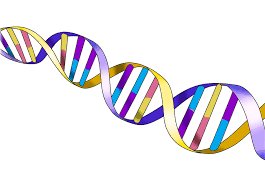
Nucleic acids are polymers that store and transmit genetic information. The two main types are DNA (deoxyribonucleic acid) and RNA (ribonucleic acid). DNA stores genetic information, while RNA is involved in protein synthesis and gene regulation.
Nucleotides: Monomers of nucleic acids, each consisting of a 5-carbon sugar, a phosphate group, and a nitrogenous base.
Polynucleotides: Polymers of nucleotides.
ATP (Adenosine Triphosphate)
Structure and Function
ATP is the primary energy carrier in cells. It consists of adenine, ribose sugar, and three phosphate groups. Hydrolysis of ATP releases energy for cellular processes.
Lipids
Structure and Types
Lipids are hydrophobic molecules that do not form polymers. They include fats, phospholipids, steroids, waxes, and pigments. Lipids serve as energy storage, structural components of cell membranes, and signaling molecules (hormones).
Fats (Triglycerides): Composed of glycerol and three fatty acids; used for long-term energy storage.
Phospholipids: Glycerol, two fatty acids, and a phosphate group; major component of cell membranes.
Steroids: Four fused carbon rings; include cholesterol and hormones.
Triglycerides
Saturated fatty acids: No double bonds; solid at room temperature (e.g., butter).
Unsaturated fatty acids: One or more double bonds; liquid at room temperature (e.g., olive oil).
Polyunsaturated fatty acids: Multiple double bonds.
Phospholipids and Membranes
Phospholipids form the basic structure of cell membranes, arranging themselves into bilayers with hydrophilic heads facing outward and hydrophobic tails inward. This arrangement is critical for membrane function and integrity.
Steroids and Cholesterol
Steroids: Lipids with four fused rings; include hormones like estrogen, testosterone, and cortisol.
Cholesterol: Essential for membrane structure but excess can lead to health issues.
Additional info: This guide covers the chemical foundations of life, focusing on the structure and function of organic molecules, functional groups, and the four major classes of biomolecules. It provides foundational knowledge for further study in cell biology, metabolism, and molecular genetics.
