 Back
Chemical Principles of Life: Basic Chemistry for Biology 1
Study Guide - Smart Notes
 Tailored notes based on your materials, expanded with key definitions, examples, and context.
Chemical Principles of Life
Introduction to Chemistry in Biology
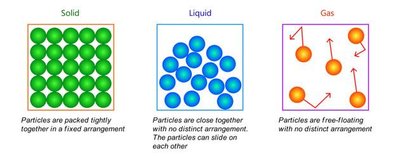
Biology is fundamentally applied chemistry, as all living beings are composed of matter, which is made up of particles. Understanding the chemical principles underlying biological systems is essential for comprehending life processes.
Matter: Anything that takes up space and has mass.
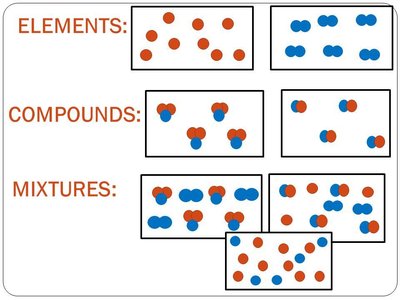
Elements: Pure substances that cannot be broken down by chemical reactions.
Compounds: Substances formed when two or more elements combine in fixed ratios, exhibiting emergent properties.
Emergent Properties of Compounds
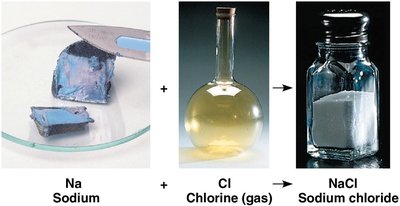
When elements combine to form compounds, the resulting substance often has properties distinct from its constituent elements.
Example: Sodium (Na) and chlorine (Cl) are both hazardous in their elemental forms, but together they form sodium chloride (NaCl), a safe and essential compound (table salt).
Chemical Organization and the Periodic Table
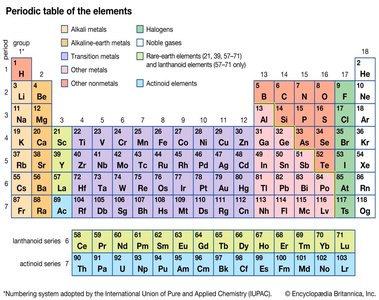
The periodic table categorizes all known elements based on their properties and atomic structure. It does not include compounds or mixtures.
Periodic Table: Organizes elements by increasing atomic number and groups with similar chemical properties.
Essential Elements: About 20-25% of natural elements are required for life.
Elements Essential for Life
Most living matter is composed of a few key elements.
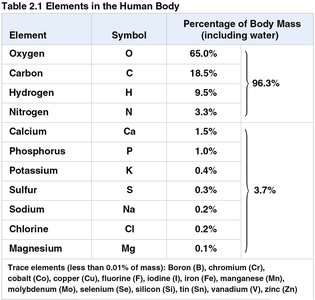
Carbon, Hydrogen, Oxygen, Nitrogen (CHON): Make up about 96% of living matter.
Other Essential Elements: Calcium, phosphorus, potassium, sulfur, and trace elements are also vital.
Element | Symbol | Percentage of Body Mass |
|---|---|---|
Oxygen | O | 65.0% |
Carbon | C | 18.5% |
Hydrogen | H | 9.5% |
Nitrogen | N | 3.3% |
Calcium | Ca | 1.5% |
Phosphorus | P | 1.0% |
Potassium | K | 0.4% |
Sulfur | S | 0.3% |
Sodium | Na | 0.2% |
Chlorine | Cl | 0.2% |
Magnesium | Mg | 0.1% |
Atoms and Subatomic Particles
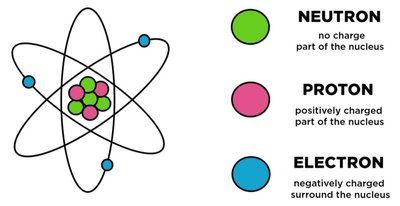
An element is made up of atoms, which are the smallest units retaining the properties of the element. Atoms consist of three major subatomic particles:
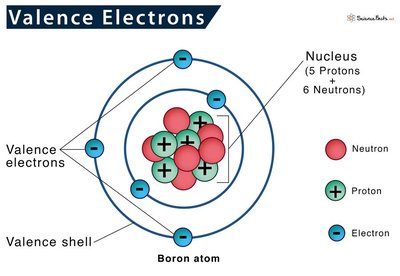
Protons: Positively charged, found in the nucleus.
Neutrons: No charge, found in the nucleus.
Electrons: Negatively charged, orbit the nucleus.
Atomic Number and Atomic Mass
Atoms of different elements are distinguished by their number of subatomic particles.
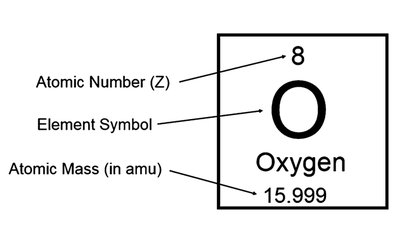
Atomic Number (Z): Number of protons in the nucleus.
Atomic Mass: Sum of protons and neutrons (measured in atomic mass units, amu).
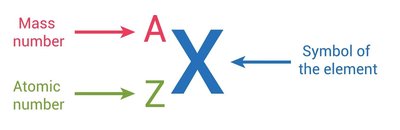
Isotopes and Atomic Mass
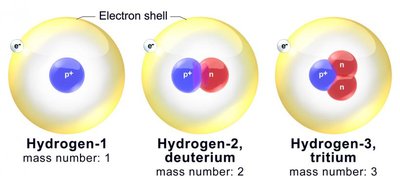
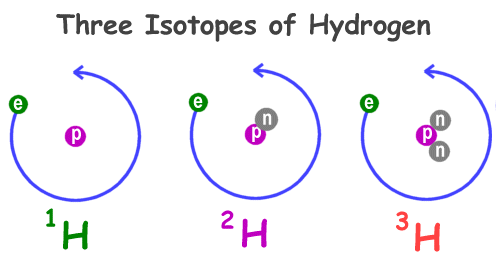
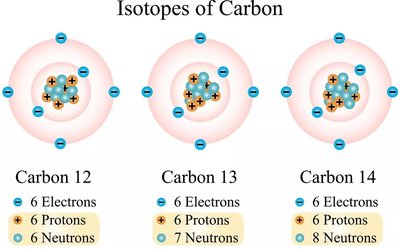
Isotopes are atoms of the same element with different numbers of neutrons, resulting in different atomic masses.
Stable Isotopes: Most common form listed on the periodic table.
Radioactive Isotopes: Decay spontaneously, releasing energy and particles.
Radioactive Isotopes and Their Applications
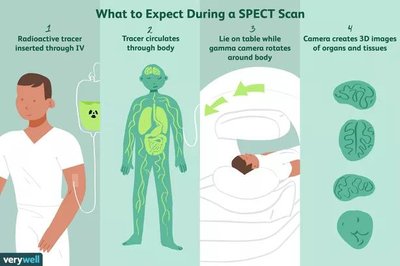
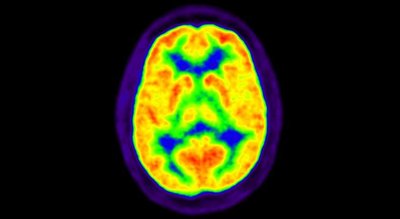
Radioactive isotopes are used as tracers in medical diagnostics and for dating fossils and rocks.
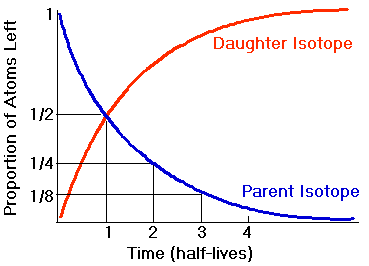
Half-life: The time required for half of the radioactive atoms to decay.
Radiometric Dating: Used to determine the age of materials by measuring isotope ratios.
Energy in Biological Systems
Subatomic particles, especially electrons, are sources of energy for living organisms.
Energy: Capacity to cause change, do work, or perform processes.
Potential Energy: Energy possessed due to location or structure.
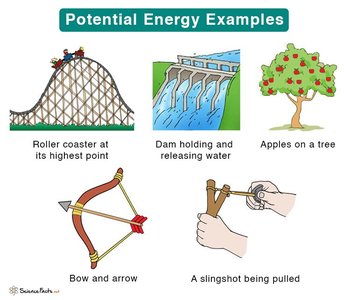
Electron Shells and Potential Energy
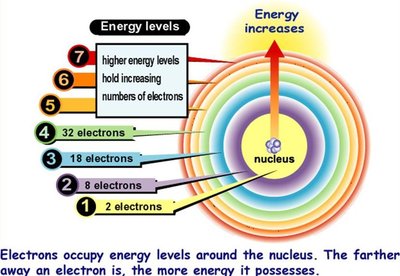
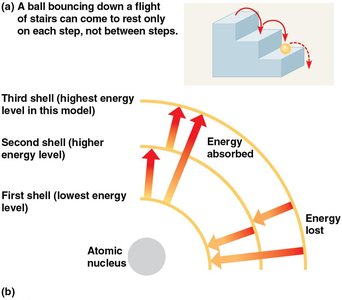
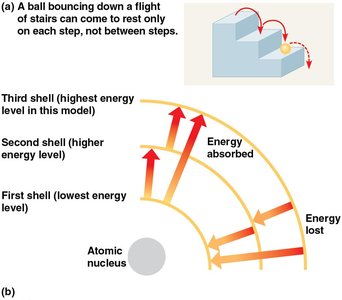
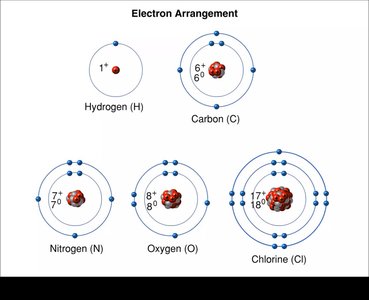
Electrons occupy shells at specific distances from the nucleus, each with a distinct energy level.
Electrons further from the nucleus have greater potential energy.
Electrons can move between shells, absorbing or releasing energy in fixed amounts.
Valence Electrons and Chemical Reactivity
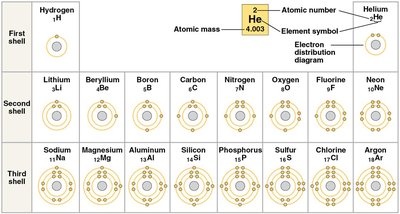
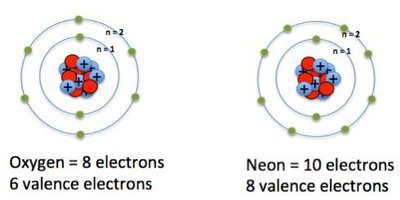
Electrons in the outermost shell (valence shell) are called valence electrons and are crucial for chemical reactions.
If the valence shell is full, the atom is chemically inert.
If not full, the atom is chemically reactive.
Electron Orbitals
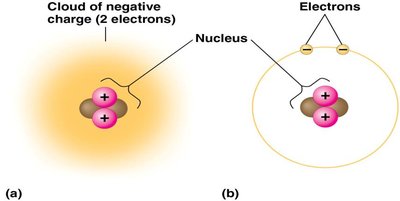
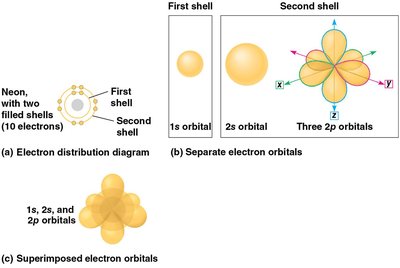
Each electron shell contains orbitals, which are regions of space where electrons are likely to be found.
Each orbital holds up to 2 electrons.
Atoms interact to fill their valence shell orbitals.
Summary of Basic Principles
Living beings are composed of matter, which consists of elements, atoms, and subatomic particles. The behavior of electrons, especially those in the valence shell, is fundamental to chemical reactions and the energy processes of life.
Protons, neutrons, and electrons differentiate elements.
Electrons in shells and orbitals drive chemical activity.
