 Back
Chromosomal Basis of Inheritance: Patterns, Disorders, and Mechanisms
Study Guide - Smart Notes
 Tailored notes based on your materials, expanded with key definitions, examples, and context.
Chromosomal Basis of Inheritance
Degree of Dominance
The degree of dominance describes how alleles interact to produce phenotypes in heterozygotes. There are several types:
Complete Dominance: The heterozygous phenotype is identical to the homozygous dominant phenotype.
Incomplete Dominance: The heterozygous phenotype is intermediate between the two homozygous phenotypes.
Codominance: Both alleles are fully expressed in the heterozygote, resulting in both phenotypes being visible.
Example:
Complete dominance: PP (purple flower), Pp (purple flower), pp (white flower)
Incomplete dominance: CRCR (red), CRCW (pink), CWCW (white)
Codominance: IAIB (AB blood type)
Multiple Alleles and Pleiotropy
Some genes have more than two alleles in a population, increasing genetic diversity. Pleiotropy occurs when one gene affects multiple phenotypic traits.
Multiple Alleles: Example: ABO blood group alleles (IA, IB, i)
Pleiotropy: Example: Sickle-cell disease, where a single gene affects multiple symptoms.
Epistasis and Polygenic Inheritance
Epistasis is when one gene affects the expression of another gene. Polygenic inheritance occurs when a single trait is influenced by two or more genes.
Epistasis: Example: Coat color in mice, where one gene determines pigment and another gene determines whether pigment is deposited.
Polygenic Inheritance: Example: Human skin color, which is determined by several genes.
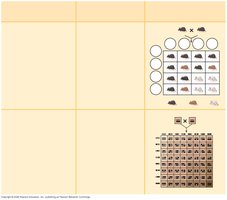
Pedigrees and Genetic Mapping
Pedigree Analysis
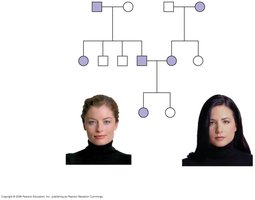
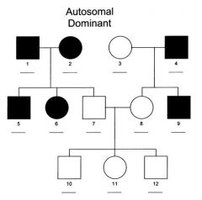
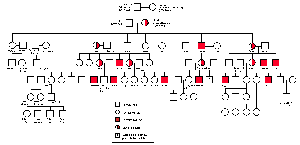
A pedigree is a family tree that describes the interrelationships of parents and children across generations. It is used to track inheritance patterns of traits and disorders.
Symbols: Squares represent males, circles represent females, shaded shapes indicate individuals expressing the trait.
Widow's Peak Example: Used to determine if a trait is dominant or recessive.
Genetic Disorders: Recessive and Dominant
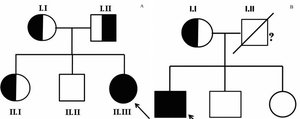
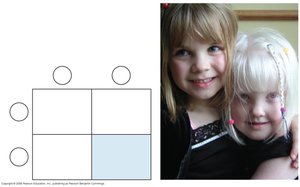
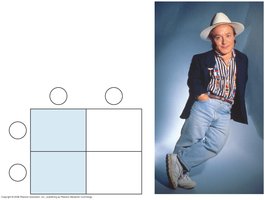
Genetic disorders can be inherited in a recessive or dominant manner. Recessive disorders are only expressed in homozygous recessive individuals, while dominant disorders can be expressed in heterozygotes.
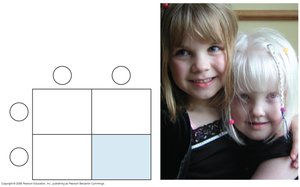
Recessive Disorders: Cystic fibrosis, sickle-cell disease, PKU, Progeria, Albinism
Dominant Disorders: Achondroplasia (dwarfism), Huntington’s disease, Polydactyl
Carriers: Heterozygous individuals who do not express the disorder but can pass it to offspring.
Chromosome Theory of Inheritance
Historical Development
The chromosome theory of inheritance was developed in the early 1900s, integrating Mendel’s laws with the behavior of chromosomes during meiosis. Walter Sutton and Theodor Boveri proposed that genes are located on chromosomes, which undergo segregation and independent assortment.
Mendel’s Laws: Law of Segregation and Law of Independent Assortment
Experimental Evidence: Thomas Hunt Morgan’s work with fruit flies provided solid evidence associating specific genes with specific chromosomes.

Sex Chromosome Systems
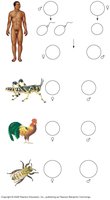
Different organisms use various systems to determine sex:
X-Y System: Humans and most mammals (XX = female, XY = male)
X-0 System: Some insects (XX = female, X = male)
Z-W System: Birds, some fish, and reptiles (ZW = female, ZZ = male)
Haplo-diploid System: Bees and ants (diploid = female, haploid = male)
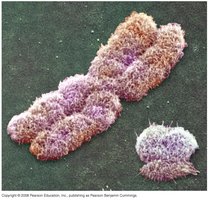
Sex-Linked Traits and Disorders
Inheritance Patterns
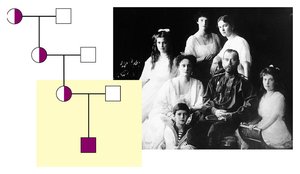
Sex-linked traits are typically associated with genes located on the X chromosome. Males are more likely to express X-linked recessive disorders because they have only one X chromosome.
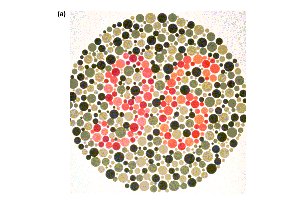
Examples: Hemophilia, Color blindness, Duchenne muscular dystrophy, Androgen insensitivity syndrome
Barr Body: In females, one X chromosome is randomly inactivated in each cell, forming a Barr body.
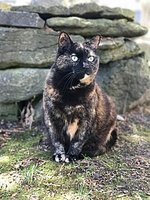
Cutaneous Mosaicism: Mosaic expression of X-linked traits, seen in calico cats.





Barr Body vs. Cutaneous Mosaicism
Barr bodies are inactivated X chromosomes in female somatic cells. Cutaneous mosaicism refers to the presence of genetically distinct populations of cells in the skin, often due to random X inactivation.
Barr Body: Only one X chromosome is active in each cell; the other is condensed and inactive.
Cutaneous Mosaicism: Results in patchy expression of X-linked traits, such as fur color in calico cats.
Chromosomal Number Abnormalities
Aneuploidy and Syndromes
Aneuploidy is the presence of an abnormal number of chromosomes. It can result from nondisjunction during meiosis.
Down Syndrome (Trisomy 21): Three copies of chromosome 21; causes developmental and physical abnormalities.
Klinefelter Syndrome (XXY): Males with an extra X chromosome; causes sterility and possible female characteristics.
Turner Syndrome (Monosomy X): Females with only one X chromosome; causes sterility and underdeveloped sex organs.
Genomic Imprinting
Mechanism and Effects
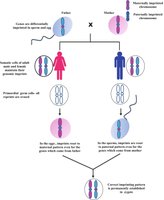
Genomic imprinting is the silencing of one allele of a gene during gamete formation, so only one allele is expressed in the offspring. This can affect inheritance patterns and is not generationally inherited.
Imprinted Genes: Over 60 known, hundreds suspected.
Applications: Can be natural or induced by scientific methods such as CRISPR, RNAi, TALENs.
Terminology
Wild type trait: The most common phenotype in a population.
Mutant trait: A phenotype resulting from a mutation.
Sex chromosome: Chromosomes that determine sex (X and Y in humans).
Sex-linked trait: Trait associated with a gene on a sex chromosome.
Barr body: Inactivated X chromosome in female cells.
Aneuploidy: Abnormal number of chromosomes.
Disjunction: Separation of chromosomes during meiosis.
Nondisjunction: Failure of chromosomes to separate properly.
Trisomic: Having three copies of a chromosome.
Monosomic: Having one copy of a chromosome.
Polyploid: Having more than two sets of chromosomes.
Genomic imprinting: Silencing of one allele during gamete formation.
Summary Table: Types of Genetic Inheritance
Type | Description | Example |
|---|---|---|
Complete Dominance | Heterozygote same as homozygous dominant | Purple flower color |
Incomplete Dominance | Heterozygote intermediate phenotype | Pink flower color |
Codominance | Both phenotypes expressed | AB blood type |
Multiple Alleles | More than two alleles in population | ABO blood group |
Pleiotropy | One gene affects multiple traits | Sickle-cell disease |
Epistasis | One gene affects expression of another | Coat color in mice |
Polygenic Inheritance | Trait affected by multiple genes | Skin color |
Key Equations
Probability of inheritance:
Hardy-Weinberg equation:
Additional info:
Some explanations and examples were expanded for clarity and completeness.
