 Back
Chromosomal Basis of Inheritance: Sex-Linked Genes, Chromosomal Alterations, and Non-Mendelian Patterns
Study Guide - Smart Notes
 Tailored notes based on your materials, expanded with key definitions, examples, and context.
The Chromosomal Basis of Inheritance
Sex-Linked Genes and Patterns of Inheritance
Sex-linked genes are located on the sex chromosomes (X and Y), and their inheritance patterns differ from autosomal genes. Understanding these patterns is crucial for predicting genetic outcomes and identifying genetic disorders.
Autosomal Genes: Genes found on non-sex chromosomes (autosomes). Inheritance follows standard Mendelian rules.
X-linked Genes: Genes located on the X chromosome. Males (XY) have only one X chromosome, so recessive traits are more likely to be expressed in males.
Y-linked Genes: Genes located on the Y chromosome. Only males inherit these genes, and they are passed directly from father to son.
Punnett Squares: Used to predict inheritance of X-linked traits. For example, a cross between a carrier female and an affected male can show the probability of offspring inheriting the trait.
X-linked Recessive Disorders: Examples include hemophilia and color blindness. Females must inherit two copies of the recessive allele to express the disorder, while males need only one.
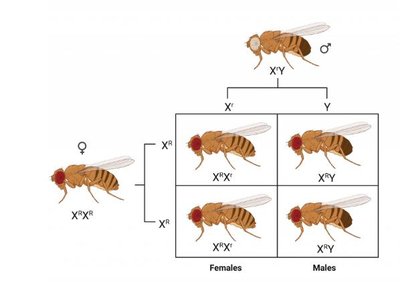
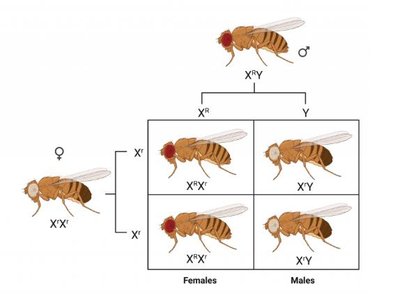
Pedigree Analysis: Pedigrees help track inheritance patterns of X-linked and Y-linked traits across generations.
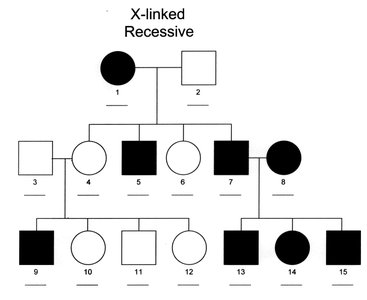
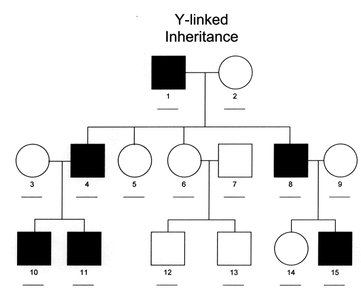
Alterations of Chromosome Number: Sex Chromosome Aneuploidies
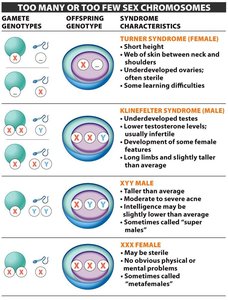
Changes in chromosome number can lead to genetic disorders. Sex chromosome aneuploidies involve having too many or too few sex chromosomes, resulting in distinct syndromes.
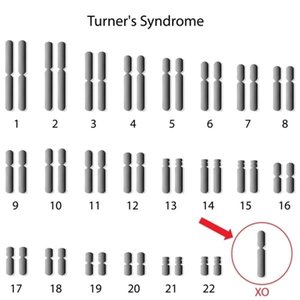
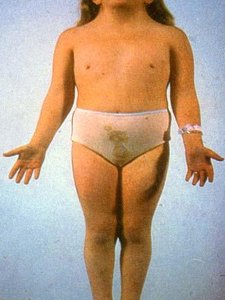
Turner Syndrome (XO): Females with only one X chromosome. Symptoms include short stature, webbed neck, and infertility.
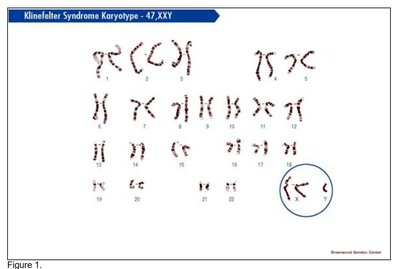
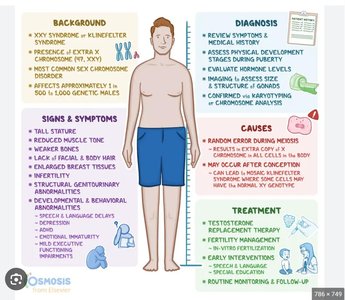
Klinefelter Syndrome (XXY): Males with an extra X chromosome. Symptoms include tall stature, reduced muscle tone, and infertility.
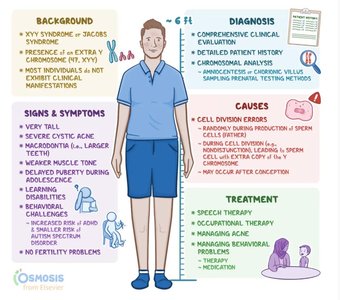
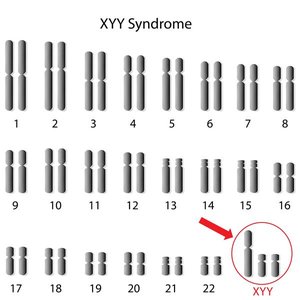
XYY Syndrome: Males with an extra Y chromosome. Often taller than average, may have mild learning difficulties.
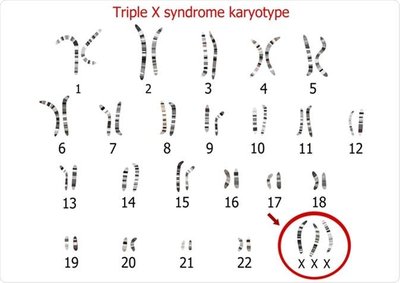
Triple X Syndrome (XXX): Females with an extra X chromosome. Symptoms can include developmental delays and learning disabilities, but many have normal puberty and fertility.
Polyploidy
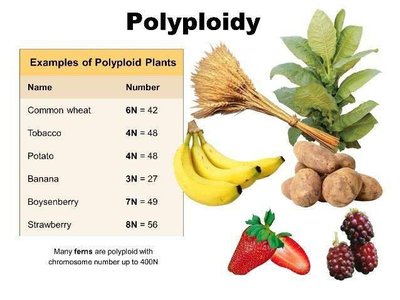
Polyploidy is a condition in which an organism has more than two complete sets of chromosomes. It is common in plants and rare in animals.
Triploidy (3n): Three sets of chromosomes.
Tetraploidy (4n): Four sets of chromosomes.
Examples: Wheat, tobacco, potato, banana, boysenberry, and strawberry are polyploid plants.
Alterations of Chromosome Structure
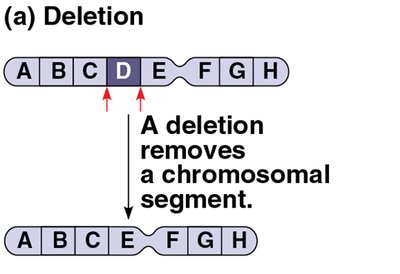
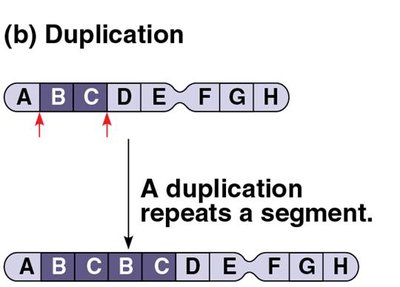
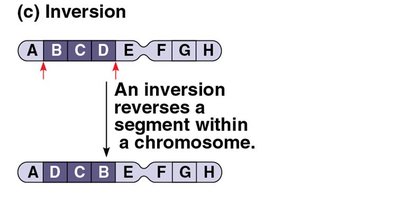
Chromosome breakage can lead to structural changes, resulting in genetic disorders. The four major types are deletion, duplication, inversion, and translocation.
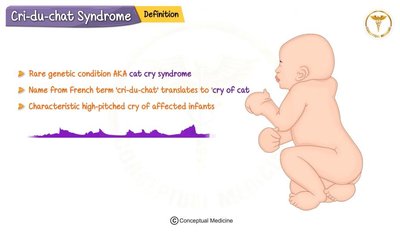
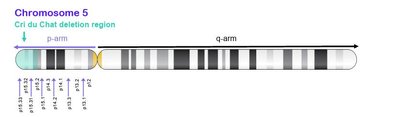
Deletion: Removes a chromosomal segment. Example: Cri du chat syndrome (deletion on chromosome 5).
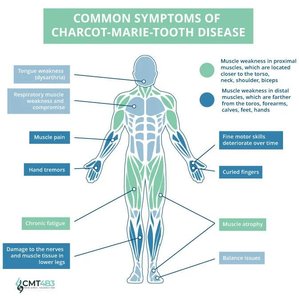
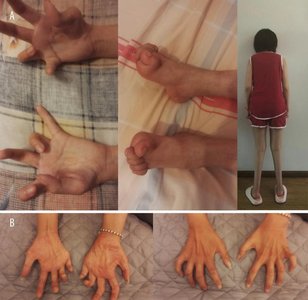
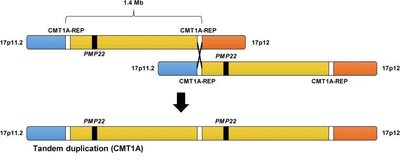
Duplication: Repeats a segment. Example: Charcot-Marie-Tooth disease type 1A (duplication on chromosome 17).
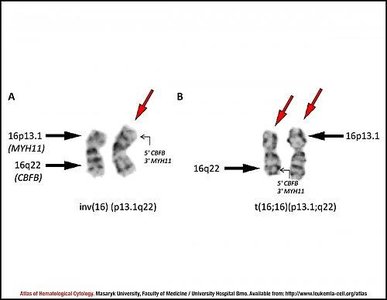
Inversion: Reverses the orientation of a segment within a chromosome. Example: Acute myeloid leukemia (inversion on chromosome 16).
Translocation: Moves a segment from one chromosome to another. Example: Burkitt lymphoma (translocation between chromosomes 8 and 14).
Non-Mendelian Inheritance Patterns
Some inheritance patterns do not follow Mendel's laws. These include epigenetic modifications and extranuclear inheritance.
Epigenetics: Refers to heritable changes in gene expression that do not involve changes to the DNA sequence. DNA methylation and histone acetylation are key mechanisms.
Genomic Imprinting: DNA methylation can silence one allele, leading to parent-of-origin effects.
Extranuclear Inheritance: Genes found in mitochondria and chloroplasts are inherited maternally. Defects in mitochondrial DNA can cause disorders such as mitochondrial myopathy.
Reproductive Options: Techniques such as nuclear transfer can reduce transmission of mitochondrial disorders ("two-mother" egg).
Type | Mechanism | Example |
|---|---|---|
Epigenetics | DNA methylation, histone modification | Genomic imprinting |
Extranuclear inheritance | Mitochondrial DNA | Mitochondrial myopathy |
Example: Mitochondrial myopathy results from defects in mitochondrial genes, affecting ATP production and leading to muscle and nervous system disorders.
*Additional info: Epigenetic modifications can be influenced by environmental factors and are reversible, unlike genetic mutations.*
