 Back
Chromosomal Basis of Inheritance: Sex-Linked Genes, Chromosomal Alterations, and Exceptions to Mendelian Patterns
Study Guide - Smart Notes
 Tailored notes based on your materials, expanded with key definitions, examples, and context.
The Chromosomal Basis of Inheritance
Sex-Linked Genes and Patterns of Inheritance
Sex-linked genes are located on the sex chromosomes (X and Y), and their inheritance patterns differ from autosomal genes. Understanding these patterns is crucial for predicting genetic outcomes and identifying genetic disorders.
Autosomal Genes: Located on non-sex chromosomes; inherited equally by both sexes.
X-linked Genes: Found on the X chromosome; males (XY) have only one copy, while females (XX) have two.
Y-linked Genes: Found on the Y chromosome; only males inherit these genes.
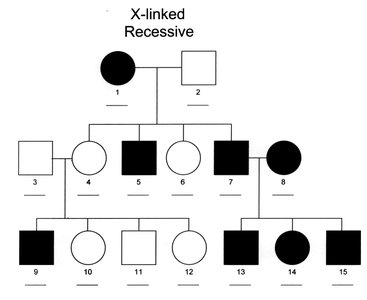
X-linked Recessive Traits: More common in males due to their single X chromosome. Females must inherit two copies to express the trait.
Punnett Squares: Used to predict inheritance patterns of X-linked traits.
Example: In Drosophila (fruit flies), white eye color is X-linked recessive. Crosses between different genotypes show distinct inheritance patterns.
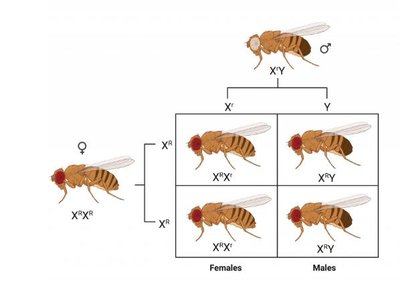
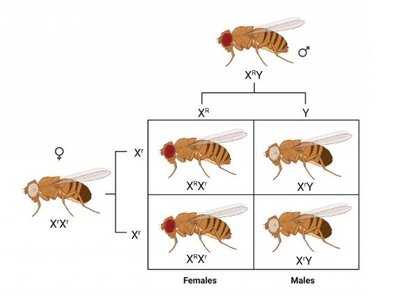
Pedigree Analysis: Pedigrees help visualize inheritance of X-linked and Y-linked traits across generations.
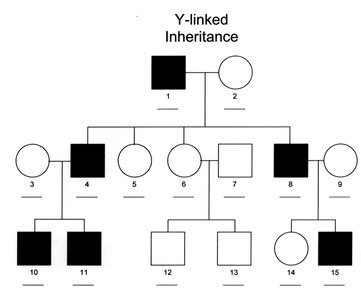
Alterations of Chromosome Number: Aneuploidy and Syndromes
Changes in chromosome number can lead to genetic disorders. These alterations include monosomy, trisomy, and polyploidy, each with distinct effects on phenotype.
Aneuploidy: Abnormal number of chromosomes (e.g., missing or extra chromosomes).
Common Syndromes:
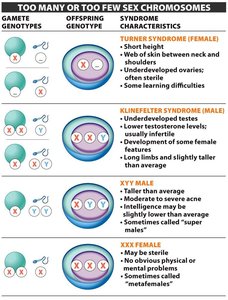
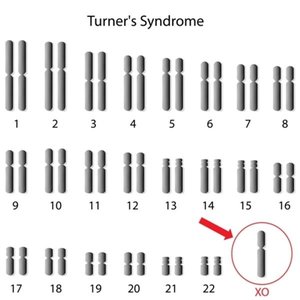
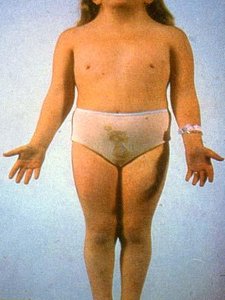
Turner Syndrome (XO): Females with only one X chromosome; symptoms include short stature, webbed neck, and infertility.
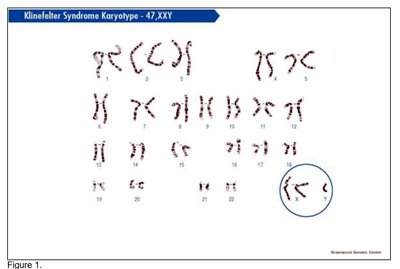
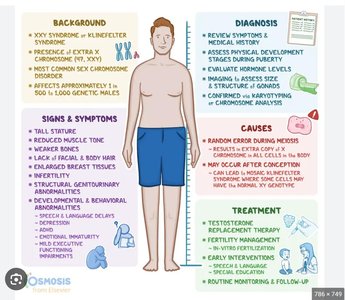
Klinefelter Syndrome (XXY): Males with an extra X chromosome; symptoms include tall stature, reduced muscle tone, and infertility.
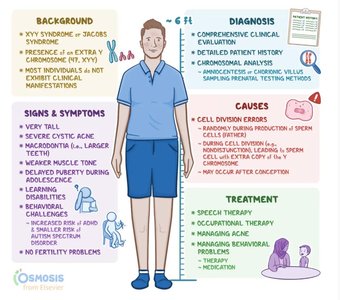
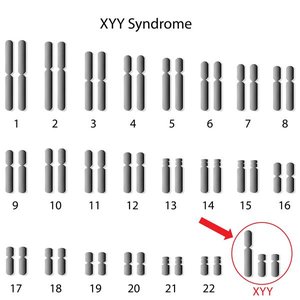
XYY Syndrome: Males with an extra Y chromosome; often taller, may have mild learning difficulties.
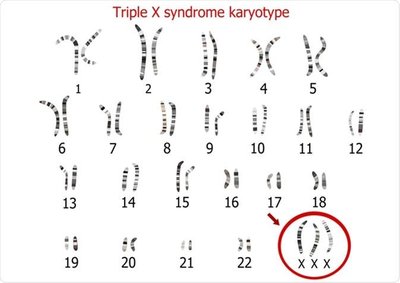
Triple X Syndrome (XXX): Females with an extra X chromosome; may have mild developmental delays.
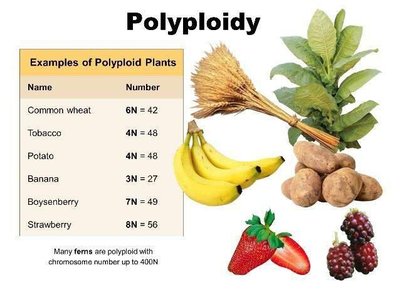
Polyploidy: More than two complete sets of chromosomes; common in plants, rare in animals.
Alterations of Chromosome Structure
Chromosome breakage can result in structural changes, leading to genetic disorders. The four major types are deletion, duplication, inversion, and translocation.
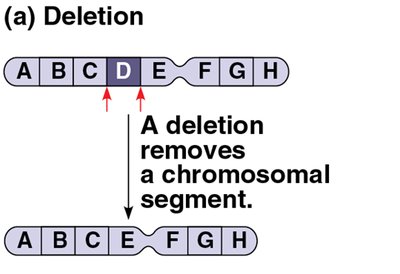
Deletion: Loss of a chromosome segment; can cause severe disorders.
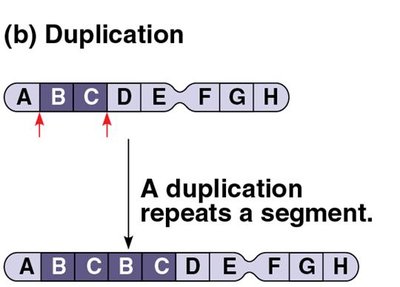
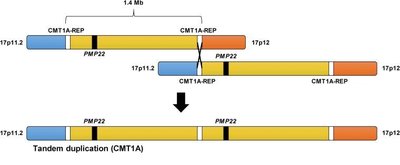
Duplication: Repetition of a chromosome segment; may result in abnormal gene dosage.
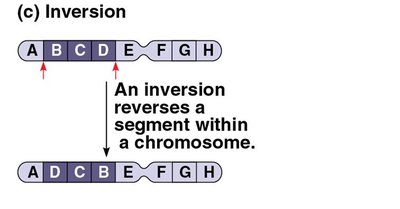
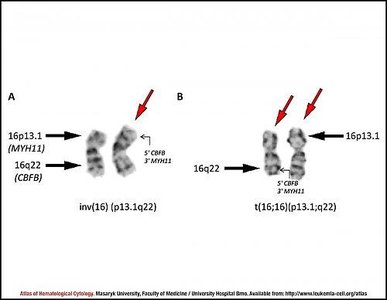
Inversion: Reversal of a segment within a chromosome; can disrupt gene function.
Translocation: Movement of a segment from one chromosome to another; may activate oncogenes or disrupt gene regulation.
Disorders Caused by Chromosomal Alterations
Specific structural changes can lead to recognizable syndromes and diseases.
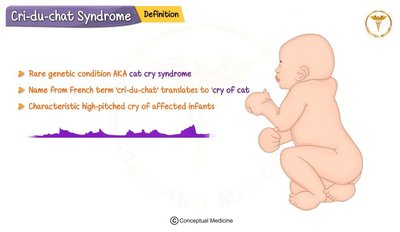
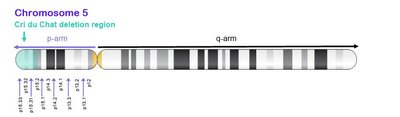
Cri du Chat Syndrome: Caused by deletion on chromosome 5; symptoms include intellectual disability and a distinctive cat-like cry.
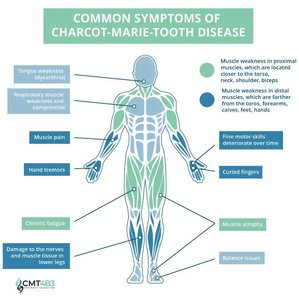
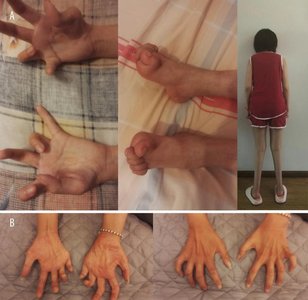
Charcot-Marie-Tooth Disease Type 1A: Caused by duplication; results in muscle weakness and atrophy.
Acute Myeloid Leukemia (AML): Inversions and translocations in chromosome 16 are associated with AML.
Burkitt Lymphoma: Translocation between chromosomes 8 and 14 leads to overexpression of the MYC gene.
Exceptions to Mendelian Inheritance: Epigenetics and Organelle Genes
Some inheritance patterns deviate from Mendel's laws due to epigenetic modifications and extranuclear inheritance.
Epigenetics: Changes in gene expression without altering DNA sequence. DNA methylation and histone acetylation are key mechanisms.
Genomic Imprinting: Expression of genes depends on parent of origin, often regulated by DNA methylation.
Extranuclear Inheritance: Genes in mitochondria and chloroplasts are inherited maternally. Defects in mitochondrial DNA can cause disorders like mitochondrial myopathy.
Reproductive Options: Techniques such as nuclear transfer can reduce transmission of mitochondrial disorders (e.g., "two-mother" egg).
Example: Mitochondrial myopathy results from mutations in mitochondrial DNA, affecting ATP production and leading to muscle and nervous system disorders.
*Additional info: Epigenetic modifications can be reversible and are influenced by environmental factors. Mitochondrial inheritance is strictly maternal because sperm mitochondria are typically destroyed after fertilization.*
