 Back
BackCirculatory Systems: Structure, Function, and Disease
Study Guide - Smart Notes
 Tailored notes based on your materials, expanded with key definitions, examples, and context.
Circulatory Systems
Overview of Circulatory Systems
Circulatory systems are essential for transporting gases, nutrients, and waste products throughout the bodies of multicellular organisms. They enable efficient exchange and distribution, supporting complex life forms.
Gas and Nutrient Exchange: Occurs at specialized sites such as capillaries.
Components: Blood consists of plasma and cellular elements.
Clotting: Prevents loss of blood from damaged vessels.
Sites of Exchange: Capillaries facilitate exchange between blood and tissues.
Surface Area and Gas Exchange
Gas exchange structures maximize surface area to enhance diffusion efficiency. Different organisms have evolved specialized structures for this purpose.
Tracheae: Insects use a network of tubes (tracheae) for direct gas exchange.
Gills: Aquatic animals like fish use gills with large surface areas.
Lungs: Terrestrial vertebrates use lungs with alveoli to maximize surface area.
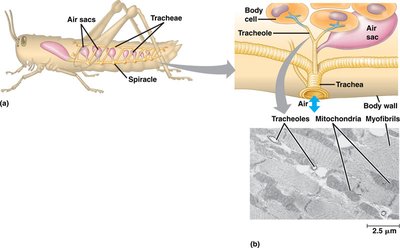
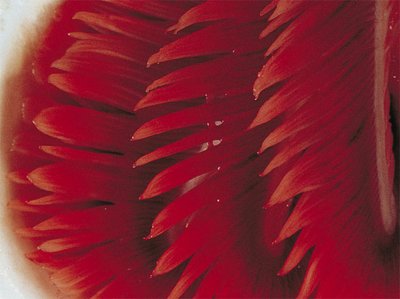
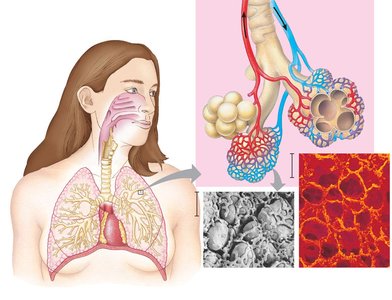
Open vs. Closed Circulatory Systems
Organisms may possess open or closed circulatory systems, each with distinct structural and functional characteristics.
Open Circulatory System: Hemolymph is not confined to vessels; it bathes organs directly. Found in arthropods and mollusks.
Closed Circulatory System: Blood is confined within vessels, allowing rapid and regulated flow. Found in annelids, vertebrates.
Advantages of Closed Systems: Faster transport, regulation of flow, retention of cellular elements.
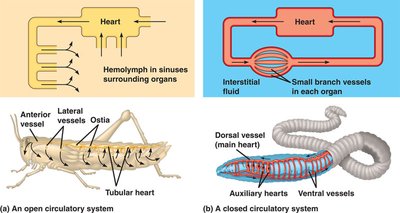
Blood: Structure and Function
Blood Components
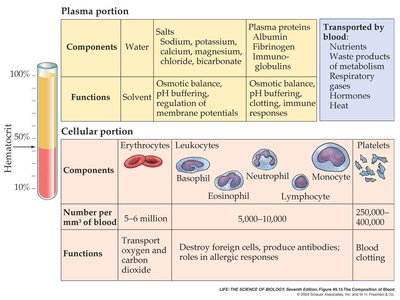
Blood is a fluid tissue composed of plasma and cells, each with specialized functions.
Plasma: Contains water, ions, nutrients, proteins, hormones, and waste products.
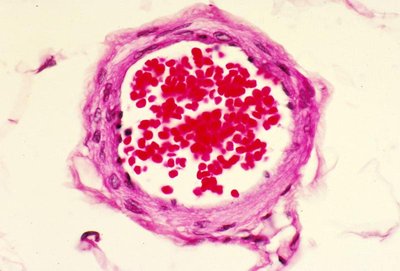
Cellular Elements: Include erythrocytes (RBCs), leukocytes (WBCs), and platelets.
Hematocrit: The percentage of blood volume occupied by cells.
Plasma Composition
Plasma is the liquid matrix of blood, responsible for transporting various substances.
Ions: Na+, Cl-, K+, Ca2+, Mg2+
Nutrients: Glucose, amino acids, lipids, lactic acid, cholesterol
Proteins: Albumin, antibodies, hormones, fibrinogen, prothrombin
Blood Cell Formation
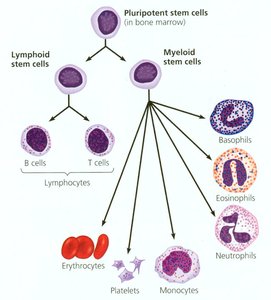
Blood cells are produced from pluripotent stem cells in the bone marrow.
Erythrocytes: Transport oxygen and carbon dioxide.
Leukocytes: Immune defense.
Platelets: Blood clotting.
Red Blood Cells (Erythrocytes)
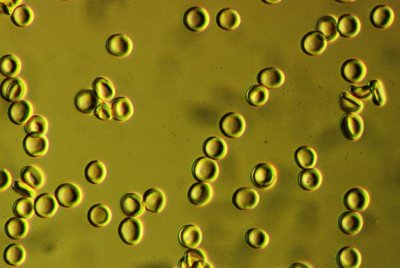
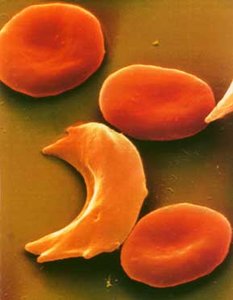
Red blood cells are biconcave discs packed with hemoglobin, enabling efficient oxygen transport.
Hemoglobin: Protein that binds oxygen.
Flexible Shape: Allows passage through narrow capillaries.
Lifespan: Approximately 120 days.
Sickle-cell Anemia: Mutation in hemoglobin alters RBC shape, causing disease.
Platelets and Blood Clotting
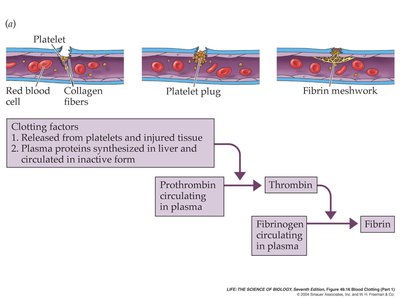
Platelets are cell fragments essential for blood clotting, preventing excessive blood loss.
Clotting Process: Vessel damage exposes collagen, activating platelets.
Clotting Factors: Platelets release factors that convert prothrombin to thrombin, which then converts fibrinogen to fibrin.
Fibrin: Forms a meshwork stabilizing the clot.
Hemophilia
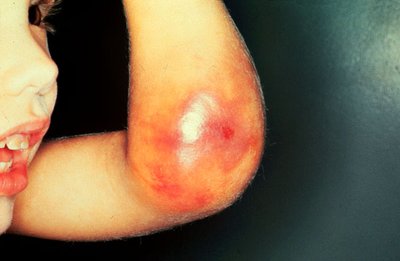
Hemophilia is a genetic disorder where clotting factors are deficient, leading to excessive bleeding even from minor injuries.
Historical Context: Hemophilia affected royal families and was significant in early blood transfusion history.
Capillaries and Exchange
Capillary Beds
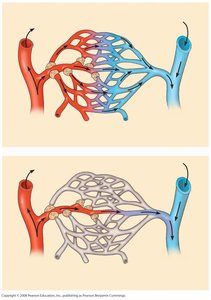
Capillaries are thin-walled vessels where exchange of gases, nutrients, and waste occurs between blood and tissues.
Blood Flow Regulation: Smooth muscle and precapillary sphincters control flow.
Autoregulation: Neuronal and hormonal signals adjust vessel diameter.
Capillary Structure and Function
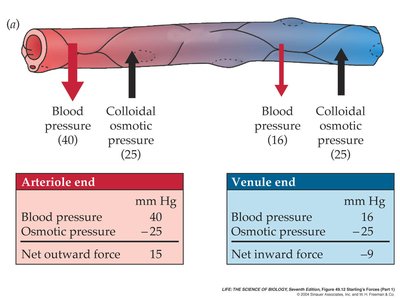
Capillary walls consist of a single layer of epithelial cells with fenestrations, allowing selective exchange.
Blood Pressure: Pushes water and small solutes out.
Osmotic Pressure: Draws water back in, mainly due to plasma proteins and bicarbonate ions.
Lymphatic System: Recovers fluid not reabsorbed by capillaries.
CO2 Transport and Osmotic Pressure
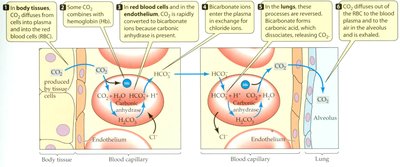
Most carbon dioxide is transported as bicarbonate ions in plasma, contributing to osmotic pressure.
Equation:
Osmotic Role: Bicarbonate ions help draw water back into capillaries.
Blood Vessels: Structure and Function
Arteries and Veins
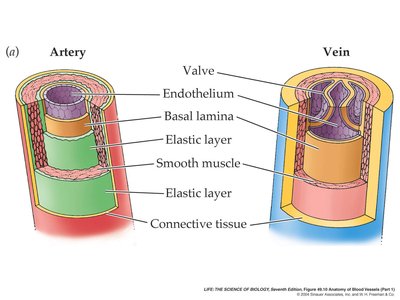
Arteries and veins are the main blood vessels, differing in structure and function.
Arteries: Thick, elastic walls to withstand high pressure.
Veins: Thinner walls, valves to prevent backflow, rely on skeletal muscle contraction for blood return.
Blood Pressure
Blood pressure is the force exerted by blood on vessel walls, measured as systolic/diastolic values.
Normal Values: 120/80 mm Hg in healthy adults.
Measurement: Sphygmomanometer and stethoscope are used.
The Heart: Structure and Function
Heart Chambers and Circuits
The vertebrate heart has multiple chambers and separates pulmonary and systemic circuits.
Evolution: Progressive separation of oxygenated and deoxygenated blood.
Four-Chambered Heart: Complete separation in birds and mammals.
Valves: Prevent backflow during contraction.
Cardiac Cycle
The cardiac cycle consists of systole (contraction) and diastole (relaxation), regulated by electrical signals.
SA Node: Primary pacemaker, initiates heartbeat.
AV Node: Delays signal, ensures sequential contraction.
Bundle of His and Purkinje Fibers: Distribute action potentials to ventricles.
Circulatory Diseases
Atherosclerosis
Atherosclerosis is the hardening and narrowing of arteries due to plaque buildup, leading to reduced elasticity and blood flow.
Plaque: Lipid and cholesterol deposits infiltrated with connective tissue and calcium.
Thrombus: Blood clot that can block arteries.
Heart Attack (Myocardial Infarction)
A heart attack occurs when blood supply to the heart is blocked, often by a thrombus in the coronary arteries.
Symptoms: Chest pain, shortness of breath, nausea.
Stroke
Stroke results from blocked or ruptured blood vessels in the brain, causing loss of oxygen and irreversible damage.
Ischemic Stroke: Caused by embolism blocking blood flow.
Hemorrhagic Stroke: Caused by vessel rupture.
Warning Signs: Sudden numbness, confusion, vision trouble, dizziness, severe headache.
Prevention and Risk Factors
Preventing heart disease and stroke involves managing risk factors.
Risk Factors: High-fat diet, smoking, sedentary lifestyle, diabetes, obesity.
Cholesterol: HDLs are "good" cholesterol, LDLs are "bad" cholesterol.
Summary Table: Blood Components
Component | Function |
|---|---|
Plasma | Solvent, osmotic balance, pH buffering, transport |
Erythrocytes | Transport oxygen and carbon dioxide |
Leukocytes | Immune defense |
Platelets | Blood clotting |
