 Back
Back2.1 Climate Change: Evidence, Causes, and Biological Implications
Study Guide - Smart Notes
 Tailored notes based on your materials, expanded with key definitions, examples, and context.
Our Changing Climate
What is Climate?
Climate refers to the long-term patterns of temperature, humidity, wind, and precipitation in a particular region. Unlike weather, which describes short-term atmospheric conditions, climate encompasses averages and variations over decades to centuries.
Climate vs. Weather: Weather is short-term and local; climate is long-term and regional or global.
Climate Change: Occurs when these long-term patterns shift in time and space, affecting ecosystems and human societies.
Studying Past Climates
Methods of Climate Reconstruction
Scientists use various natural records to reconstruct past climates and understand how Earth's climate has changed over time.
Tree Rings: The width and density of tree rings reflect annual growth conditions, providing information about past temperature and precipitation.
Lake and Ocean Sediments: Layers of sediment accumulate over time, trapping pollen, microfossils, and chemical signatures that indicate past climates.
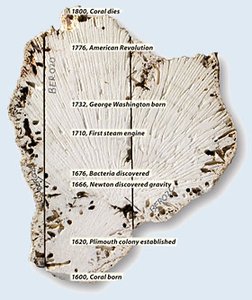
Corals: Growth bands in corals record ocean temperatures and chemistry over centuries.
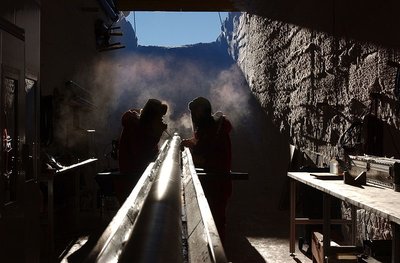
Ice Cores: Cylinders of ice drilled from glaciers and ice sheets contain trapped air bubbles, preserving records of atmospheric composition and temperature.

Evidence of Climate Change
Temperature Trends
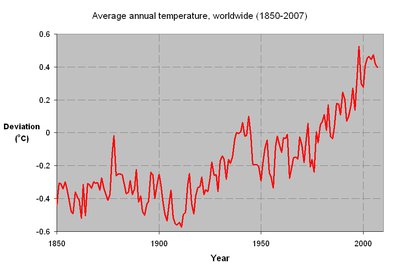
Instrumental records and proxy data show that Earth's average surface temperature has increased significantly, especially in the past century.
Recent Warming: Over the last 30 years, global surface temperatures have risen at a rate of approximately 0.02°C per year.
Historical Context: The rate of warming after major ice ages was much slower, about 0.0013°C per year.
Long-Term Climate Variation
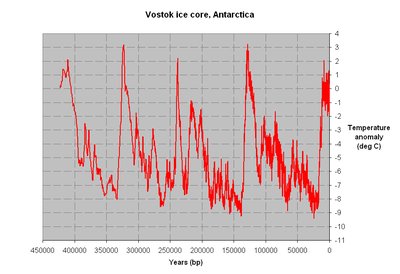
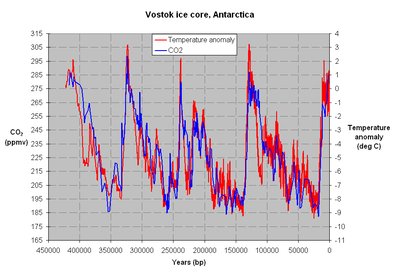
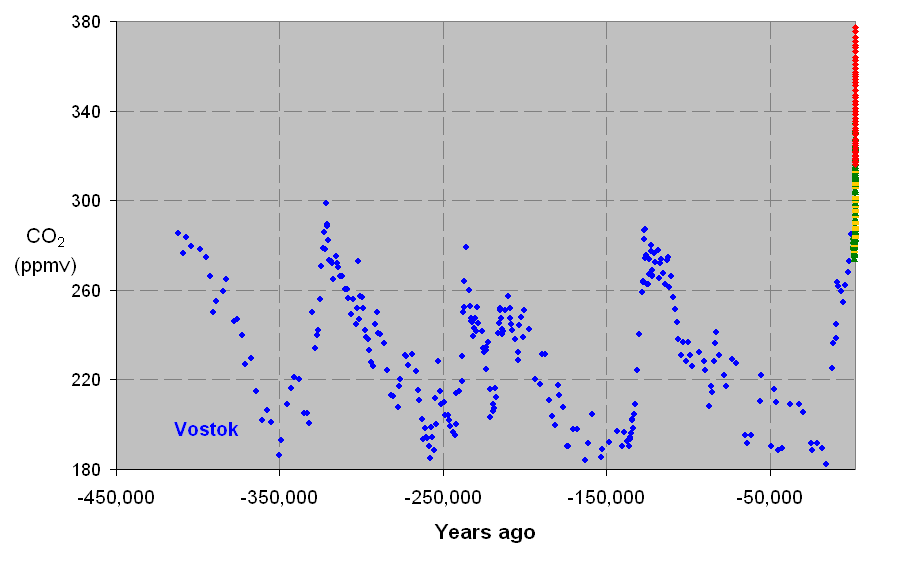
Ice core data from Antarctica reveal cycles of glacial (cold) and interglacial (warm) periods over hundreds of thousands of years, closely linked to atmospheric carbon dioxide (CO2) levels.
Glacial-Interglacial Cycles: Temperature and CO2 levels rise and fall together, indicating a strong correlation.
Greenhouse Gases and the Greenhouse Effect
Major Greenhouse Gases (GHGs)
Greenhouse gases trap heat in the atmosphere, maintaining Earth's temperature at a level suitable for life. The main GHGs include:
Water Vapor (H2O)
Carbon Dioxide (CO2)
Methane (CH4)
Ozone (O3)
Nitrous Oxide (N2O)
Oxides of Nitrogen (NOx)
The Greenhouse Effect
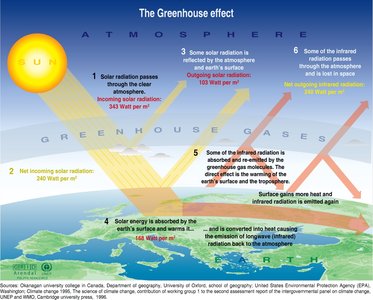
The greenhouse effect is the process by which greenhouse gases absorb and re-emit infrared radiation, warming Earth's surface and lower atmosphere.
Natural vs. Enhanced Greenhouse Effect: While the greenhouse effect is essential for life, human activities have increased GHG concentrations, enhancing the effect and causing global warming.
Recent Trends in Greenhouse Gases
CO2 and Other GHGs Over Time
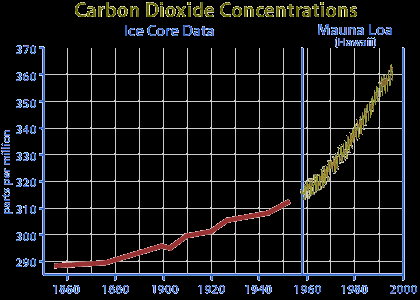
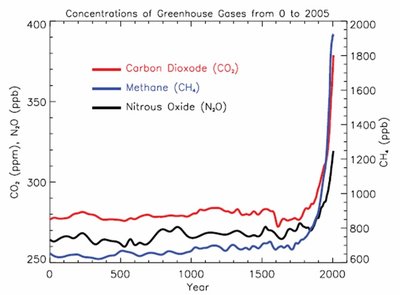
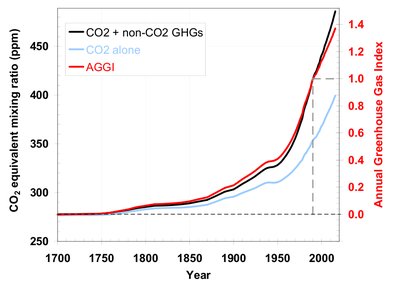
Direct measurements and ice core data show a dramatic increase in atmospheric CO2, methane, and nitrous oxide since the Industrial Revolution.
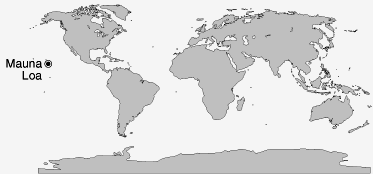
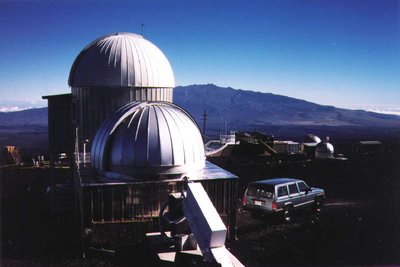
CO2 Records: Mauna Loa Observatory provides continuous CO2 measurements since 1958, showing a steep upward trend.
Historical Context: Ice core data reveal that current CO2 levels are unprecedented in at least the last 800,000 years.
Correlation Between CO2 and Temperature
There is a tight correlation between atmospheric CO2 and global temperature, as shown by ice core and modern data.
Human Influence on Climate
Anthropogenic Greenhouse Gas Emissions
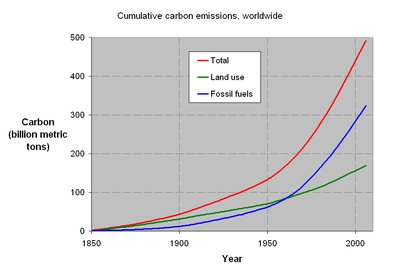
Human activities, especially the burning of fossil fuels and land use changes, are the primary drivers of the recent increase in greenhouse gases.
Fossil Fuels: Release carbon that has been stored for millions of years, increasing atmospheric CO2.
Land Use: Deforestation and soil disturbance also contribute to GHG emissions.
Carbon Sinks: About 50% of emitted CO2 is absorbed by oceans and terrestrial ecosystems.
Other Factors Affecting Climate
Natural factors such as variations in solar output and volcanic eruptions can also influence climate, but current warming trends are best explained by human-caused GHG emissions.
Climate Models: Simulations show that observed changes are consistent with human influence.
International Policy and Climate Action
The Intergovernmental Panel on Climate Change (IPCC)
The IPCC assesses scientific, technical, and socio-economic information related to climate change, its impacts, and options for adaptation and mitigation. Its reports inform international policy and negotiations.
Major International Agreements
Kyoto Protocol (1997): Industrialized countries agreed to reduce GHG emissions by 5.2% from 2008-2012 compared to 1990 levels.
Paris Agreement (2016): Aims to keep global temperature rise this century below 2°C above pre-industrial levels, with efforts to limit the increase to 1.5°C.
Participation in these agreements varies by country, with some nations withdrawing or not signing.
Summary Table: Major Greenhouse Gases and Their Properties
Greenhouse Gas | Chemical Formula | Main Sources | Relative Contribution to Warming |
|---|---|---|---|
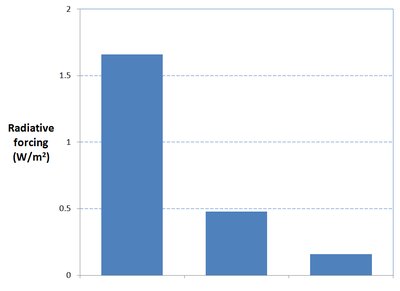
Carbon Dioxide | CO2 | Fossil fuel combustion, deforestation | High |
Methane | CH4 | Agriculture, landfills, fossil fuels | Medium |
Nitrous Oxide | N2O | Agriculture, industrial processes | Low |
Key Equations
Rate of Temperature Change (Recent):
Rate of Temperature Change (Post-Ice Age):
Conclusion
Climate change is a complex process driven by both natural and anthropogenic factors. The rapid increase in greenhouse gases due to human activities is the primary cause of recent global warming, with significant implications for ecosystems, biodiversity, and human societies. International cooperation and policy are essential to mitigate future impacts.
