 Back
Back2.1 Climate Change: Evidence, Causes, and Global Policy
Study Guide - Smart Notes
 Tailored notes based on your materials, expanded with key definitions, examples, and context.
Our Changing Climate
What is Climate?
Climate refers to the long-term patterns of temperature, humidity, wind, and precipitation in a particular region. Unlike weather, which describes short-term atmospheric conditions, climate encompasses averages and variations over decades to centuries.
Climate: The average weather conditions in a region over long periods (typically 30 years or more).
Climate Change: Significant and lasting changes in the statistical distribution of weather patterns over periods ranging from decades to millions of years.
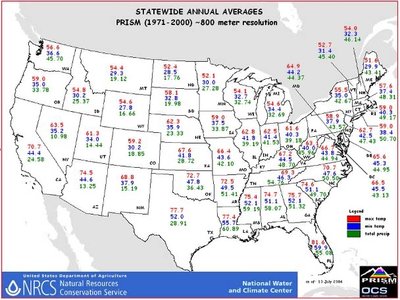
Studying Climate Change
Natural Variability and Scientific Challenge
Climate naturally varies across both space and time due to a range of factors, including solar cycles, volcanic activity, and Earth's orbital changes. The scientific challenge is to distinguish between natural variability and human-induced changes.
Historical Climate Reconstruction
Scientists use various proxies to reconstruct past climates, providing evidence for natural and anthropogenic changes. These proxies include:
Tree Rings: Annual growth rings in trees reflect past climate conditions, such as temperature and precipitation.
Lake and Ocean Sediments: Layers of sediment accumulate over time, preserving pollen, microfossils, and chemical signatures indicative of past climates.
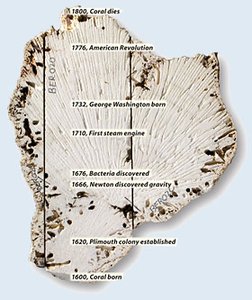
Corals: Growth bands in corals record ocean temperatures and chemistry.
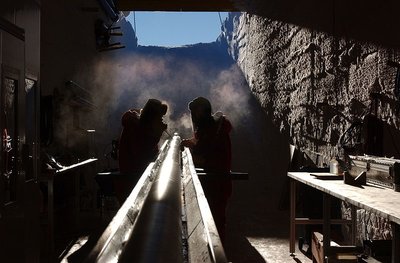
Ice Cores: Cylinders of ice drilled from glaciers and ice sheets contain trapped air bubbles, providing records of past atmospheric composition and temperature.

Rates of Temperature Change
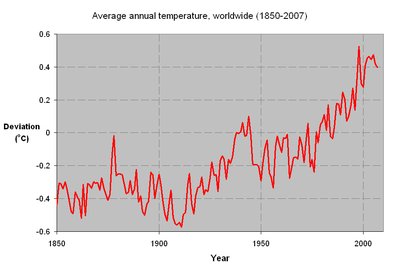
Recent decades have seen a rapid increase in global surface temperatures compared to historical rates. For example:
Last 30 years:
Post-Ice Age warming:
Evidence from Ice Cores and Atmospheric Records
Long-Term Variation of Temperature and CO2
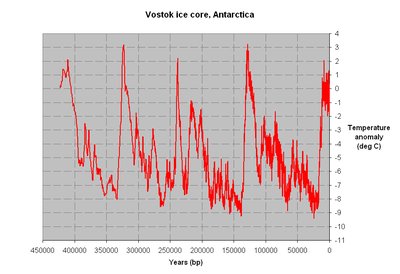
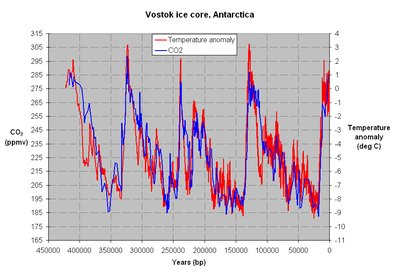
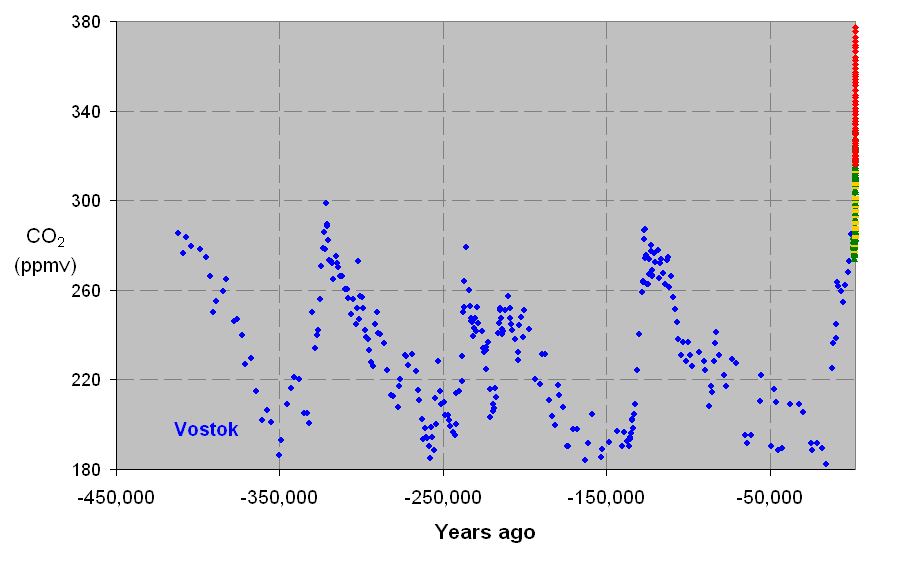
Ice cores from Antarctica, such as the Vostok core, provide detailed records of atmospheric CO2 and temperature over hundreds of thousands of years. These records show a strong correlation between CO2 levels and global temperature.
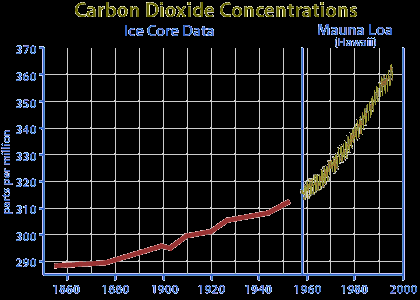
Modern Atmospheric CO2 Records
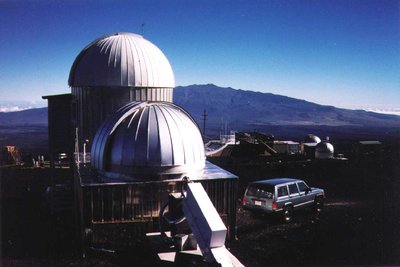
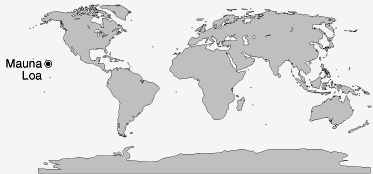
Direct measurements of atmospheric CO2 have been made at Mauna Loa Observatory since 1958, showing a sharp increase in recent decades. This trend is consistent with data from ice cores, indicating that current CO2 levels are unprecedented in the context of the past 400,000 years.
The Greenhouse Effect and Greenhouse Gases
Mechanism of the Greenhouse Effect
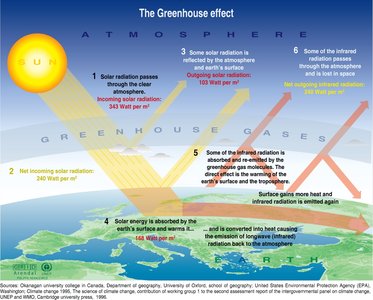
The greenhouse effect is a natural process in which certain gases in Earth's atmosphere trap heat, keeping the planet warm enough to support life. Human activities have increased the concentration of these gases, enhancing the greenhouse effect and leading to global warming.
Key Greenhouse Gases (GHGs): Water vapor (H2O), carbon dioxide (CO2), methane (CH4), ozone (O3), nitrous oxide (N2O), and oxides of nitrogen (NOx).
Correlation Between CO2 and Temperature
There is a tight correlation between atmospheric CO2 and global temperature, as shown in both ice core and modern records. This relationship underpins the scientific consensus that rising CO2 levels drive climate change.
Recent Trends in Greenhouse Gases
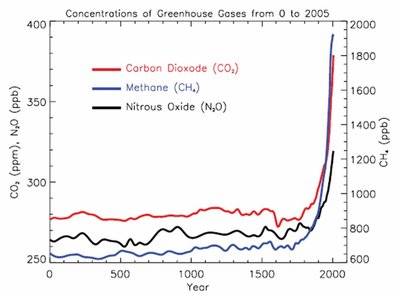
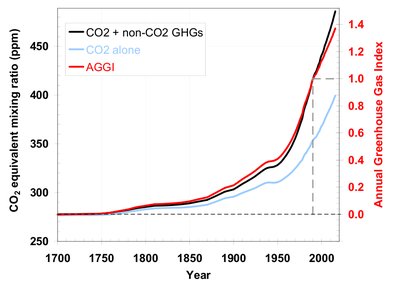
CO2 and other greenhouse gases have increased dramatically since the Industrial Revolution, primarily due to fossil fuel combustion and land use changes.
Relative Contributions of Greenhouse Gases
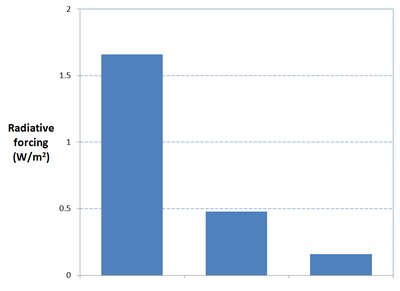
Different greenhouse gases contribute to climate change to varying degrees, depending on their abundance and radiative forcing potential.
Greenhouse Gas | Relative Contribution |
|---|---|
CO2 | Largest contributor |
CH4 | Second largest |
N2O | Smaller but significant |
Human Influence on Climate
Evidence for Human-Caused Climate Change
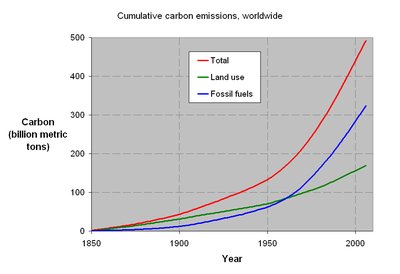
Human activities, especially the burning of fossil fuels and deforestation, have released large amounts of CO2 that had been stored for millions of years. This is evidenced by the isotopic signature of atmospheric CO2 and the timing of the increase.
About 50% of the increased CO2 remains in the atmosphere; the rest is absorbed by oceans and terrestrial sinks.
Other Factors Influencing Climate
While greenhouse gases are the primary driver of recent climate change, other factors such as variations in solar output and volcanic eruptions can also influence Earth's climate. Climate models are used to assess the relative importance of these factors.
Global Policy Responses
International Agreements
Efforts to address climate change have led to several international agreements:
Kyoto Protocol (1997): Industrialized countries agreed to reduce greenhouse gas emissions by 5.2% from 2008-2012 compared to 1990 levels.
Paris Agreement (2016): Aims to keep global temperature rise this century well below 2°C above pre-industrial levels, with efforts to limit the increase to 1.5°C.
Country/Region | Target | Actual Change (1995-2010) |
|---|---|---|
E.U. | 8% reduction | 19.2% reduction |
U.S. | 7% reduction | 4.3% increase |
Japan | 6% reduction | 8.8% increase |
Russia | 0% | 31.8% reduction |
Australia | 8% increase | 31% increase |
Iceland | 10% increase | 26.3% increase |
The Intergovernmental Panel on Climate Change (IPCC)
The IPCC, established in 1988, assesses scientific, technical, and socio-economic information relevant to understanding climate change, its impacts, and options for adaptation and mitigation. Its reports inform international policy and negotiations.
Recent Policy Developments
New targets under the United Nations Framework Convention on Climate Change (UNFCCC) and the Paris Agreement reflect ongoing efforts to reduce emissions and support adaptation, especially in developing countries.
Global Participation
Participation in international agreements varies by country, with some nations withdrawing or not signing. The effectiveness of these agreements depends on global cooperation and enforcement.
