 Back
Cnidarians and Early Diverging Animals: Structure, Diversity, and Ecological Importance
Study Guide - Smart Notes
 Tailored notes based on your materials, expanded with key definitions, examples, and context.
Early Diverging Animals and Animal Phylogeny
Overview of Animal Phylogeny
Animal phylogeny traces the evolutionary relationships among animal groups, highlighting key innovations and synapomorphies. Early diverging animals include Porifera (sponges), Ctenophora (comb jellies), and Cnidaria (jellies, corals, anemones).
Metazoa: All multicellular animals.
Eumetazoa: Animals with true tissues, including Cnidaria and all bilaterians.
Bilateria: Animals with bilateral symmetry and three germ layers.
Synapomorphies of Eumetazoa
Eumetazoa are defined by several key features:
True tissues (diploblastic: ectoderm and endoderm)
Gastrovascular cavity (incomplete gut)
Rudimentary nervous system
Body symmetry (radial or bilateral)
Cnidaria: Structure and Synapomorphies
General Characteristics of Cnidaria
Cnidarians are a diverse phylum including jellies, sea anemones, corals, hydras, and Portuguese Man-of-War. They exhibit both sessile and motile forms.
Cnidocytes: Specialized stinging cells unique to cnidarians.
Free-swimming larvae (planula)
Radial symmetry: Body parts arranged around a central axis.
Polymorphism: Presence of different body shapes (polyp and medusa).
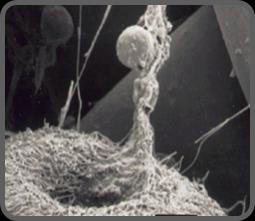
Cnidocytes and Nematocysts
Cnidocytes are specialized cells containing nematocysts, which are capsule-like organelles that discharge a coiled thread to deliver toxins to prey or predators.
Nematocysts: Most common type of cnidocyte; used for defense and prey capture.
Trigger mechanism: Contact with prey activates the discharge.
Planula Larvae
The planula is a motile, ciliated larval stage in cnidarians. It swims freely before settling and transforming into a polyp. 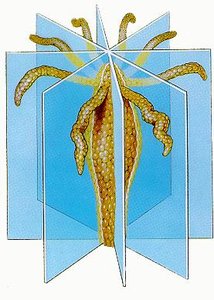
Radial Symmetry
Radial symmetry allows cnidarians to interact with their environment from all directions, which is advantageous for sessile or slow-moving organisms.
Oral end: Mouth side
Aboral end: Opposite of mouth
Body Forms: Polyp and Medusa
Polymorphism in Cnidarians
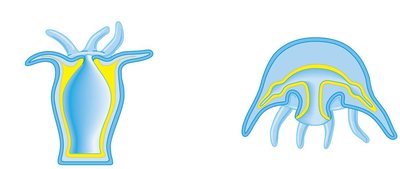
Many cnidarians exhibit two main body forms:
Polyp: Sessile, cylindrical form (e.g., sea anemones)
Medusa: Motile, bell-shaped form (e.g., jellyfish)
Life Cycle and Alternation of Generations
Alternation of Generations in Cnidarians
Cnidarians often alternate between asexual (polyp) and sexual (medusa) generations.
Asexual reproduction: Budding in polyps
Sexual reproduction: Medusae produce gametes
Planula larvae: Result from fertilization, develop into polyps
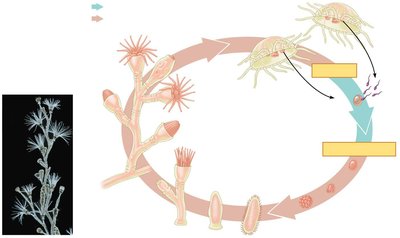
Comparison with Plant Alternation of Generations
In plants, alternation of generations involves both haploid (gametophyte) and diploid (sporophyte) multicellular stages, whereas cnidarians are diploid except for gametes. 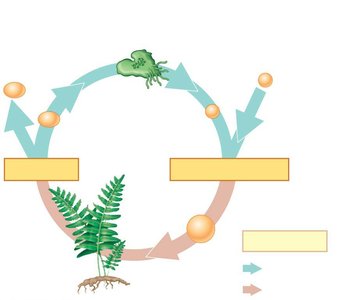
Cnidarian Diversity and Major Clades
Major Cnidarian Clades
Cnidarians are divided into several major clades: Anthozoa, Medusozoa (including Hydrozoa, Scyphozoa, Cubozoa, Staurozoa).
Anthozoa: Sea anemones, corals, sea pens
Hydrozoa: Hydras, Portuguese Man-of-War
Scyphozoa: True jellies
Cubozoa: Box jellies
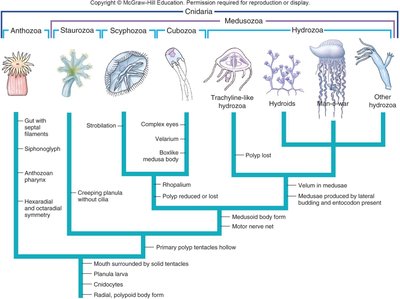
Anthozoa: Sea Anemones and Corals
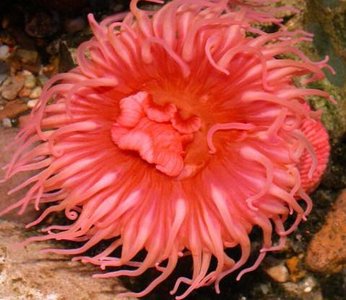
Sea Anemones
Sea anemones are solitary polyps, carnivorous, and can move slowly. Their tentacles surround the oral disc, leading to a pharynx and a gastrovascular cavity divided by septa. 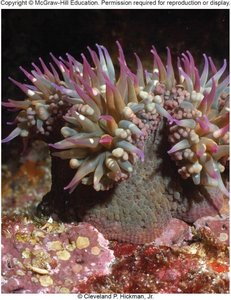
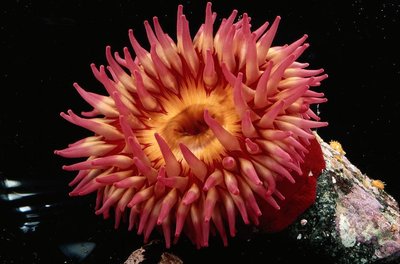
Mutualistic Relationships
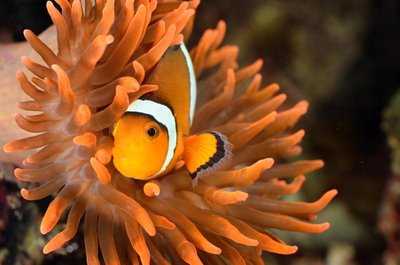
Some anthozoans form mutualistic relationships with other organisms, such as zooxanthellae (photosynthetic dinoflagellates), hermit crabs, and clownfish.
Zooxanthellae: Provide corals with nutrients via photosynthesis
Hermit crabs: Use anemones for protection
Clownfish: Live among anemone tentacles, protected from predators
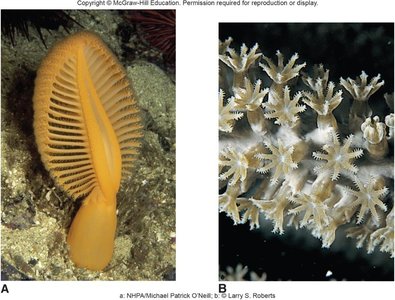
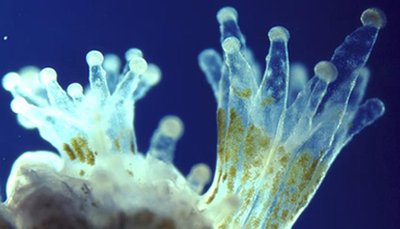
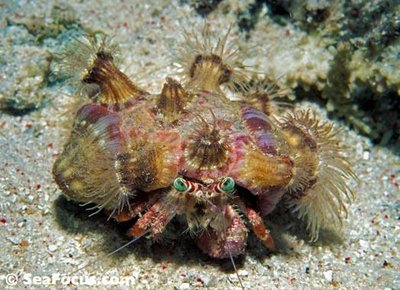
Stony Corals
Stony corals are colonial, with polyps living in calcareous cups. Coral reefs are highly productive and diverse, providing habitat, coastal protection, food, and economic benefits. 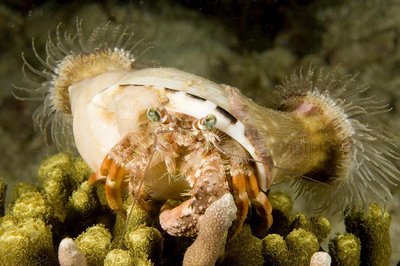
Coral Bleaching and Ecological Importance
Coral Bleaching
Coral bleaching is a major threat to coral reefs, caused by the loss of zooxanthellae due to increased ocean temperatures. Without these symbionts, corals lose their color and may die.
Mutualism: Zooxanthellae provide up to 90% of coral food
Bleaching: Loss of symbionts leads to coral death
Hydrozoa: Hydras and Siphonophores
Hydras
Hydras are freshwater, solitary polyps that feed on small crustaceans and insect larvae.
Siphonophores
Siphonophores are marine, colonial hydrozoans forming long strings of polyps, some with floats. Their nematocysts secrete powerful neurotoxins. 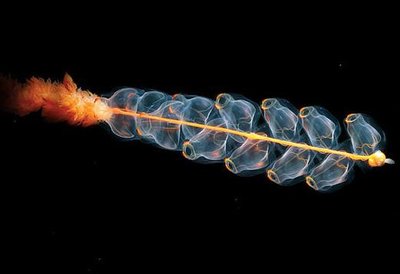
Scyphozoa and Cubozoa: True Jellies and Box Jellies
Scyphozoa
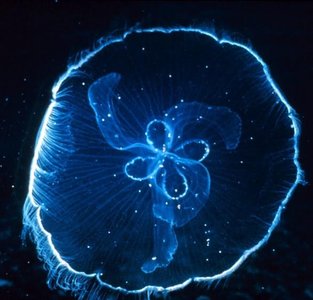
Scyphozoans are large sea jellies with four oral lobes for food capture and digestion. They are dioecious and may show alternation of generations. 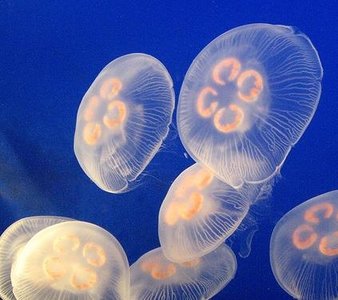
Cubozoa
Cubozoans are cube-shaped box jellies, predominantly medusoid, and some species are highly toxic. 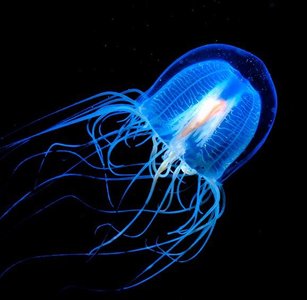
Ctenophora: Comb Jellies
General Features
Ctenophores are marine, diploblastic animals with two tissue layers and no nematocysts. They possess adhesive cells called colloblasts and are motile.
Statolith: Sensory structure at aboral end
Comb rows: Used for locomotion
Summary Table: Cnidarian Clades and Features
Clade | Body Form | Habitat | Key Features |
|---|---|---|---|
Anthozoa | Polyp | Marine | Mutualism, septa, colonial or solitary |
Hydrozoa | Polyp & Medusa | Marine/Freshwater | Alternation of generations, colonial siphonophores |
Scyphozoa | Medusa | Marine | Large jellies, oral lobes, dioecious |
Cubozoa | Medusa | Marine | Cube-shaped, potent toxins |
Key Terms and Definitions
Cnidocyte: Specialized cell for stinging and defense
Nematocyst: Capsule within cnidocyte containing coiled thread
Polyp: Sessile body form
Medusa: Motile body form
Planula: Free-swimming larval stage
Radial symmetry: Symmetry around a central axis
Alternation of generations: Life cycle alternating between asexual and sexual forms
Zooxanthellae: Photosynthetic symbionts in corals
Equations and Academic Context
Meiosis and Fertilization
Meiosis produces haploid gametes:
Fertilization restores diploid state:
Additional info:
Coral reefs are threatened by climate change, pollution, and overfishing.
Mutualistic relationships are crucial for ecosystem stability and productivity.
