 Back
Colonization of Land by Plants: Evolution, Adaptations, and Diversity
Study Guide - Smart Notes
 Tailored notes based on your materials, expanded with key definitions, examples, and context.
Colonization of Land by Plants
Introduction and Evolutionary Context
The colonization of land by plants marks a pivotal event in Earth's history, fundamentally altering terrestrial ecosystems and biotic interactions. This process began over 470 million years ago, with plants evolving from aquatic ancestors and adapting to the challenges of terrestrial life. - Key Point 1: Early land plants emerged alongside fungi and small animals, transforming the terrestrial environment. - Key Point 2: The evolutionary history of plants is characterized by major adaptations that enabled survival and diversification on land. - Example: The era of angiosperms represents the current dominant phase in plant evolution. 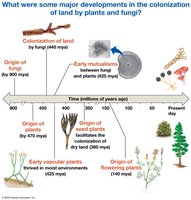
Origin of Land Plants and Their Closest Relatives
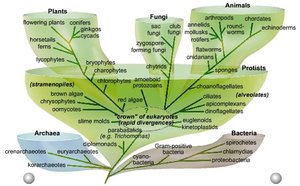
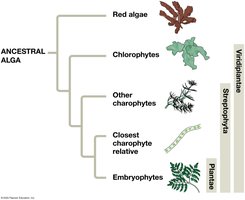
Fossil evidence indicates that land plants originated from green algae, specifically charophytes, which share several key traits with modern plants. - Key Point 1: Charophytes are multicellular, photosynthetic autotrophs with chlorophyll a and b. - Key Point 2: Shared traits include rings of cellulose-synthesizing complexes, flagellated sperm structure, and similarities in nuclear and chloroplast genes. - Example: Coleochaete orbicularis and Chara vulgaris are charophytes closely related to land plants. 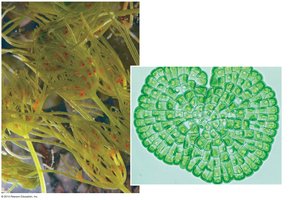
Adaptations Enabling the Move to Land
Benefits and Challenges of Terrestrial Life
The transition to land offered plants access to unfiltered sunlight, abundant CO2, and nutrient-rich soil, but also posed significant challenges such as water scarcity and structural support. - Key Point 1: Charophytes and land plants developed sporopollenin, a protective layer for zygotes and spores. - Key Point 2: Adaptations to prevent dehydration and provide structural support were crucial for terrestrial survival. 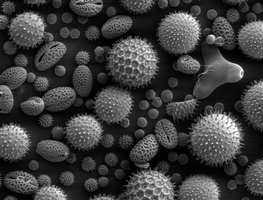
Key Derived Traits of Land Plants
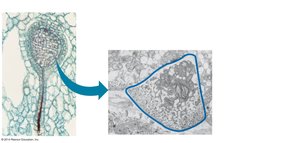
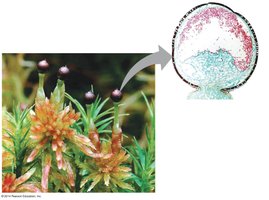
Land plants evolved several unique traits absent in their algal ancestors, facilitating their success on land. - Alternation of generations: Life cycle alternates between multicellular haploid (gametophyte) and diploid (sporophyte) stages. - Multicellular, dependent embryos: Embryos are retained within female gametophyte tissue and nourished via placental transfer cells. - Walled spores produced in sporangia: Spores are protected by sporopollenin and produced in multicellular organs. - Apical meristems: Regions of cell division at root and shoot tips enable growth throughout life. 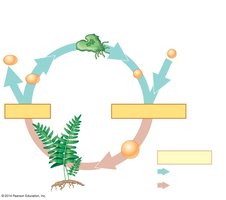
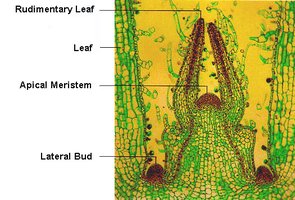
Additional Adaptations
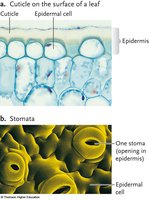
- Cuticle: A waxy covering that prevents water loss and protects against microbial attack. - Stomata: Specialized pores for gas exchange, allowing CO2 and O2 movement. 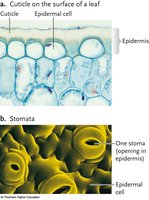
Diversity of Early Land Plants
Bryophytes: Early Diverging Lineages
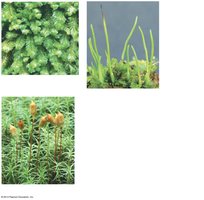
Bryophytes, including liverworts, mosses, and hornworts, represent the earliest diverging land plant lineages. - Key Point 1: Bryophytes are nonvascular, small, and herbaceous. - Key Point 2: Gametophytes are dominant and larger than sporophytes; sperm require water for fertilization. - Example: Mosses are anchored by rhizoids and have limited height due to lack of vascular tissue. 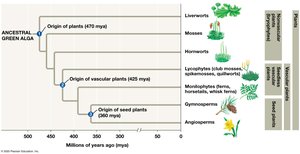
Seedless Vascular Plants
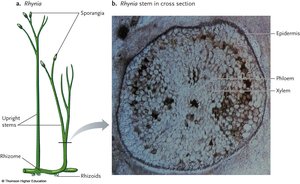
The evolution of vascular tissue enabled plants to grow tall and diversify further. - Key Point 1: Vascular plants possess xylem (water/mineral transport) and phloem (organic product transport). - Key Point 2: Seedless vascular plants include lycophytes and monilophytes (ferns and relatives). - Example: Early vascular plants like Rhynia lacked seeds but had vascular tissues. 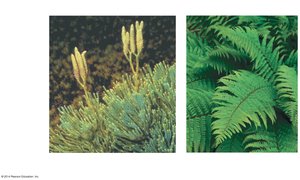
Roots and Leaves
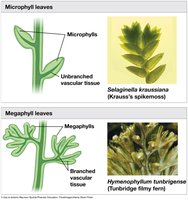
Roots anchor plants and absorb water/nutrients, while leaves increase surface area for photosynthesis. - Key Point 1: Microphylls (small leaves with unbranched vascular tissue) and megaphylls (larger leaves with branched vascular tissue) are leaf types. 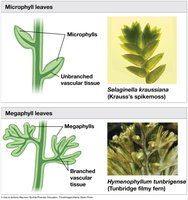
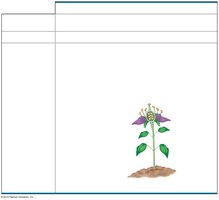
Life Cycle Comparison Table
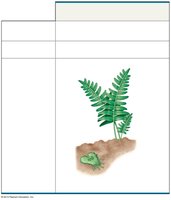
Plant Group | Gametophyte | Sporophyte | Example |
|---|---|---|---|
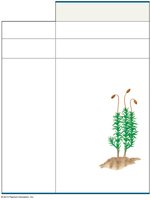
Mosses and other nonvascular plants | Dominant, larger | Reduced, dependent |
|
Ferns and other seedless vascular plants | Reduced, independent | Dominant |
|
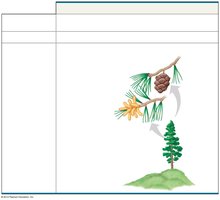
Seed plants (gymnosperms and angiosperms) | Reduced, microscopic, dependent | Dominant |
|
Seeds and Pollen: Key Adaptations for Terrestrial Life
Seed Plants: Gymnosperms and Angiosperms
Seed plants originated about 360 million years ago, with seeds and pollen grains providing significant evolutionary advantages. - Key Point 1: Seeds consist of an embryo, food supply, and protective coat, allowing dormancy and dispersal. - Key Point 2: Gymnosperms have "naked" seeds, while angiosperms have seeds enclosed in ovaries (fruits). 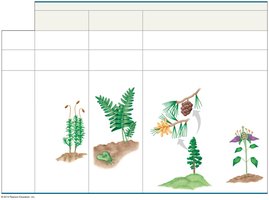
Ovules and Pollen
- Ovule: Contains the female gametophyte, surrounded by sporophyte tissue (integument). - Pollen: Male gametophyte enclosed in a protective wall, enabling fertilization without water.
Evolutionary Advantage of Seeds
- Key Point 1: Seeds can remain dormant, have stored food, and are protected from harsh conditions. - Key Point 2: Seed plants adapted to dry environments with thick cuticles and reduced leaf surface area. 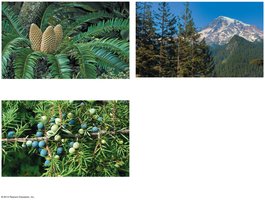
Angiosperms: Flowering Plants
Structure and Diversity
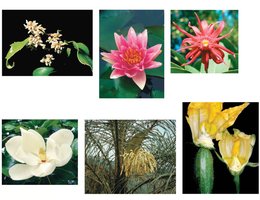
Angiosperms are the most diverse and widespread group of plants, characterized by flowers and fruits. - Key Point 1: Flowers are specialized shoots with four types of modified leaves: sepals, petals, stamens, and carpels. - Key Point 2: Fruits develop from ovaries and aid in seed dispersal. 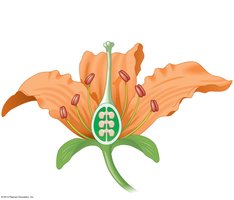
Seed Dispersal Mechanisms
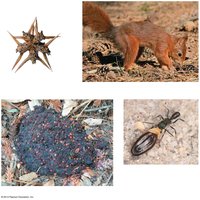
Angiosperms have evolved various strategies for seed dispersal, including water, wind, and animals. - Example: Dandelion fruits are dispersed by wind, coconuts by water, and many seeds by animals. 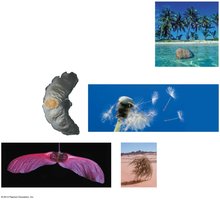
Angiosperm Evolution and Classification
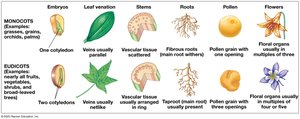
- Key Point 1: Angiosperms originated at least 140 million years ago and rapidly diversified. - Key Point 2: Major groups include monocots and eudicots, distinguished by embryonic leaves, leaf venation, stem structure, root type, pollen, and floral organs. 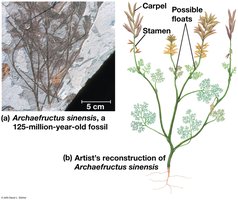
Summary
Fossil evidence demonstrates that plants colonized land over 470 million years ago, leading to the evolution of diverse lineages and key adaptations such as seeds and pollen. Land plants have fundamentally changed Earth's chemical cycling and biotic interactions, with angiosperms currently dominating terrestrial ecosystems. Additional info: This guide expands on brief lecture points to provide academic context, definitions, and examples for each major adaptation and evolutionary event.
