 Back
BackCommunities and Ecosystems: Interactions, Health, and Energy Flow
Study Guide - Smart Notes
 Tailored notes based on your materials, expanded with key definitions, examples, and context.
Communities and Ecosystems
Introduction to Communities
A community in biology consists of all populations of organisms living close enough for interaction. Each species within a community occupies a niche, which is its functional role, including its habitat, activity patterns, resources it uses, and interactions with other species.
Habitat: The physical environment where a species lives.
Activity patterns: The timing of activities such as feeding or reproduction.
Resources: Food, water, shelter, and other necessities obtained from the environment.
Interactions: Relationships with other species, such as competition or cooperation.
Community Interactions
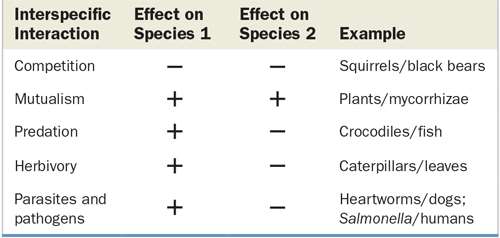
When niches overlap, populations interact in various ways. These interactions shape community structure and dynamics. The main types of interspecific interactions are:
Competition: Both species are harmed by the interaction as they vie for the same resources.
Mutualism: Both species benefit from the interaction.
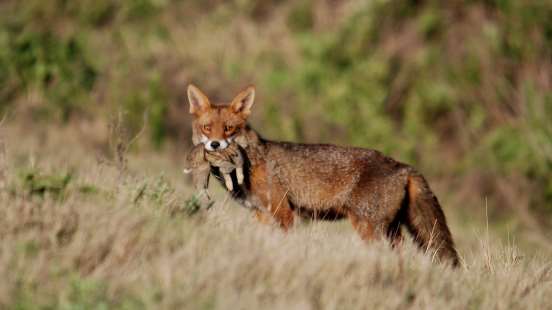
Predation: One species (predator) benefits and the other (prey) is harmed or killed.
Herbivory: An animal (herbivore) eats plants, benefiting itself and harming the plant.
Parasitism/Pathogens: One species (parasite/pathogen) benefits at the expense of the host.
Commensalism: One species benefits while the other is neither helped nor harmed.
Interspecific Interaction | Effect on Species 1 | Effect on Species 2 | Example |
|---|---|---|---|
Competition | – | – | Squirrels/black bears |
Mutualism | + | + | Plants/mycorrhizae |
Predation | + | – | Crocodiles/fish |
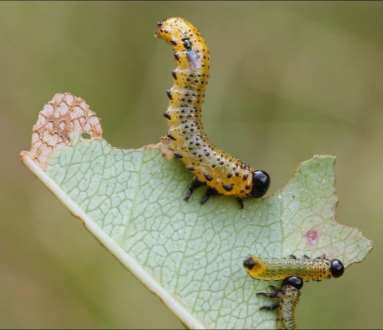
Herbivory | + | – | Caterpillars/leaves |
Parasites and pathogens | + | – | Heartworms/dogs; Salmonella/humans |
Competition
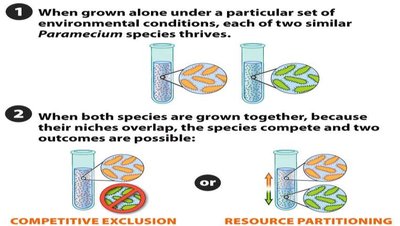
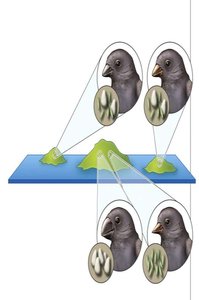
Competition occurs when two or more species use the same limited resource. This can lead to competitive exclusion (one species outcompetes the other) or resource partitioning (species evolve to use different resources or niches).
Mutualism
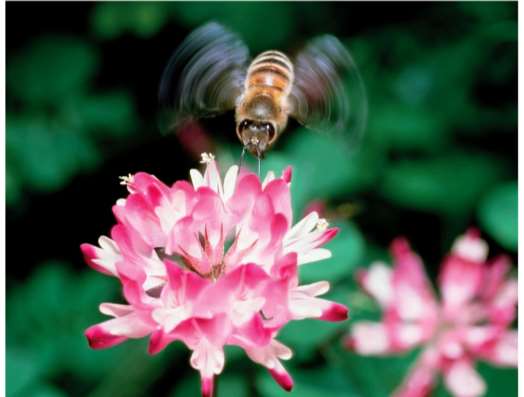
Mutualism is a relationship where both species benefit. Examples include bees pollinating flowers and mycorrhizal fungi aiding plant roots.
Predation
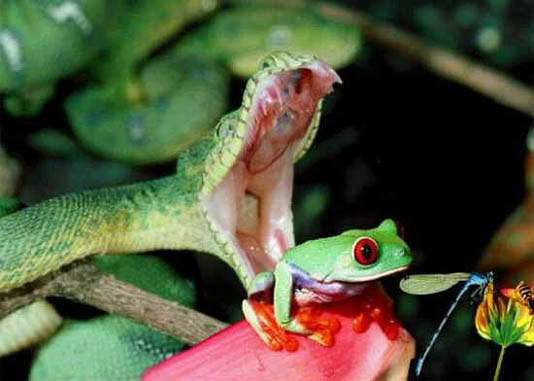
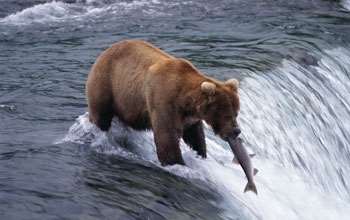
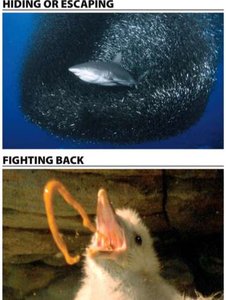
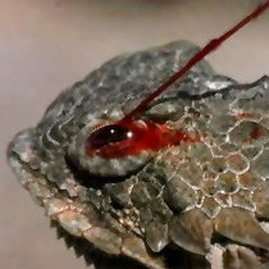
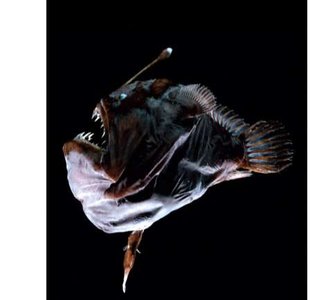
Predation benefits the predator and harms the prey. Predators have adaptations for capturing prey, while prey have evolved defenses to avoid being eaten.
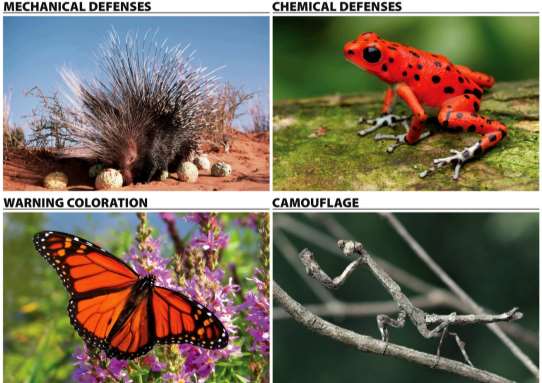
Physical defenses: Thorns, shells, spines, toxins, warning coloration, and camouflage.
Behavioral defenses: Fleeing, hiding, forming groups, or fighting back.
Herbivory
Herbivory is the consumption of plant parts by animals. Plants have evolved defenses such as thorns, toxins, and tough leaves to reduce herbivory.
Parasitism and Pathogens
Parasites live in or on a host, deriving nutrients at the host's expense. Pathogens are disease-causing organisms. Both have evolved strategies to maximize their success, sometimes manipulating host behavior.
Commensalism
Commensalism is an interaction where one species benefits and the other is unaffected. An example is birds riding on large mammals to catch insects stirred up by movement.
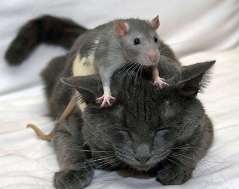
Community Health
Community health is promoted by:
Species diversity: High diversity increases stability and resistance to pathogens.
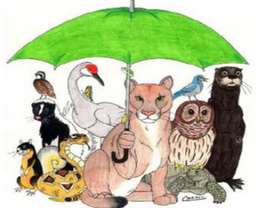
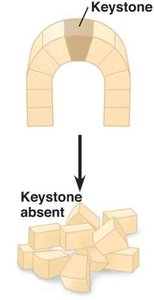
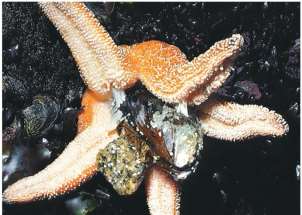
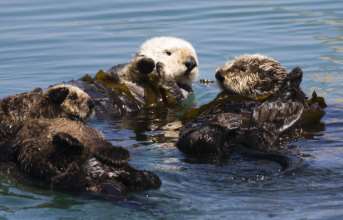
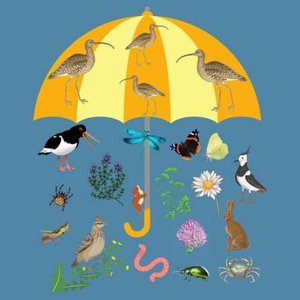
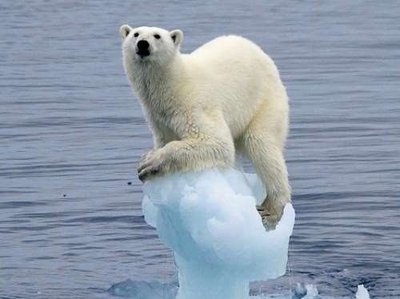
Keystone, umbrella, flagship, and indicator species: These species have a large impact on community structure and are often the focus of conservation efforts.
Invasive Species
Invasive species are non-native organisms that cause ecological or economic harm in a new environment. They often outcompete native species, leading to reduced biodiversity and ecosystem disruption.
Ecosystem Determinants
An ecosystem includes all living organisms in a community plus the abiotic environment (chemical resources and physical conditions). Large ecosystems are called biomes, which are classified as aquatic or terrestrial based on factors such as salinity, depth, temperature, and precipitation.
Aquatic biomes: Determined by salinity, depth, and water movement.
Terrestrial biomes: Determined by temperature and precipitation, which are influenced by Earth's curvature and ocean currents.
Energy and Chemical Flow in Ecosystems
Energy flows through ecosystems in a one-way stream, from the sun to producers (autotrophs) and then to consumers (heterotrophs). Chemical elements cycle within ecosystems.
Primary production: The amount of light energy converted to chemical energy by autotrophs (mainly plants and phytoplankton).
Trophic levels: The hierarchical levels in a food web, from producers to various levels of consumers and decomposers.
Energy transfer: Only about 10% of energy is transferred from one trophic level to the next; the rest is lost as heat.
Food Webs and Energy Transfer
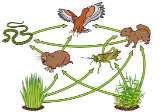
Food webs illustrate the complex feeding relationships in an ecosystem. Energy transfer is inefficient, with significant losses at each trophic level.
Biogeochemical Cycles
Chemical elements cycle between abiotic reservoirs and living organisms. Major cycles include:
Water cycle: Involves evaporation, condensation, precipitation, and runoff. Human activities such as agriculture and deforestation alter the cycle.
Carbon cycle: Driven by photosynthesis and respiration. Human activities (fossil fuel burning, deforestation) disrupt the balance.
Nitrogen cycle: Nitrogen is fixed from the atmosphere by bacteria. Fertilizers and runoff alter nitrogen distribution.
Phosphorus cycle: Phosphorus cycles locally through weathering of rocks and decomposition. Fertilizer use can cause excess phosphorus in ecosystems.
Eutrophication
Eutrophication is the process by which excess nutrients (nitrogen and phosphorus) lead to overgrowth of algae and cyanobacteria, resulting in oxygen depletion and decreased species diversity. This can create "dead zones" where little life survives.
Human Impact on Communities and Ecosystems
Humans can have both positive and negative effects on ecosystems. Overconsumption, pollution, introduction of invasive species, and habitat destruction are major threats. Conservation efforts often focus on protecting keystone, umbrella, flagship, and indicator species to maintain ecosystem health.
Key Questions for Review:
Why is it energetically wasteful to eat meat?
Why would the extinction of the sea otter have been so detrimental?
Why should you avoid washing your car in your driveway?
