 Back
BackCommunity and Ecosystem Ecology: Biodiversity, Interactions, and Energy Flow
Study Guide - Smart Notes
 Tailored notes based on your materials, expanded with key definitions, examples, and context.
Community and Ecosystem Ecology
Biodiversity and Its Components
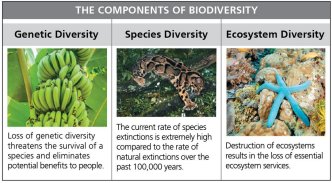
Biodiversity refers to the variety of life in all its forms, levels, and combinations. It is a critical concept in ecology, encompassing genetic, species, and ecosystem diversity. Each component plays a vital role in maintaining the stability and functionality of ecological systems.
Genetic Diversity: The variation of genes within a species. Loss of genetic diversity threatens species survival and reduces potential benefits to humans.
Species Diversity: The number and relative abundance of species in a community. Current extinction rates are much higher than historical averages.
Ecosystem Diversity: The variety of ecosystems in a region. Destruction of ecosystems leads to loss of essential ecosystem services.
Causes of Declining Biodiversity
Biodiversity is declining due to several human-driven factors:
Habitat Destruction: The leading cause of extinctions, resulting from urbanization, agriculture, and deforestation.
Invasive Species: Non-native species disrupt local ecosystems and outcompete native species.
Overexploitation: Excessive hunting, fishing, and resource extraction threaten species survival.
Pollution: Contaminants such as chemicals and waste degrade habitats and harm organisms.
Community Ecology
Interspecific Interactions
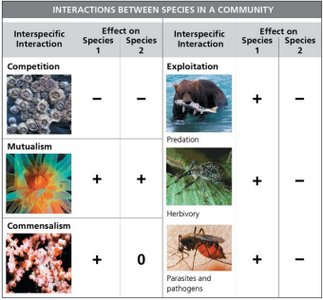
Species within a community interact in ways that can be beneficial, harmful, or neutral. These interactions shape community structure and drive evolutionary adaptations.
Competition: Both species are harmed (-/-) as they vie for the same resources.
Mutualism: Both species benefit (+/+), such as pollinators and flowering plants.
Commensalism: One species benefits, the other is unaffected (+/0).
Exploitation: One species benefits at the expense of another (+/-), including predation, herbivory, and parasitism.
Trophic Structure and Biological Magnification
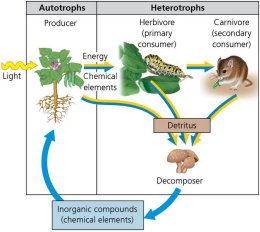
The trophic structure defines feeding relationships among organisms. Biological magnification occurs when toxins become more concentrated as they move up the food chain, affecting top predators and humans.
Producers: Autotrophs (e.g., plants) form the base of the food chain.
Consumers: Heterotrophs (herbivores, carnivores) feed on other organisms.
Biological Magnification: Persistent toxins (e.g., PCBs) increase in concentration at higher trophic levels.

Species Diversity in Communities
Species diversity includes both richness (number of species) and relative abundance. Keystone species have a disproportionate impact on community structure despite their low abundance.
Species Richness: Total number of species in a community.
Relative Abundance: Proportion of each species.
Keystone Species: Species that maintain community structure and diversity.
Disturbances and Succession in Communities
Disturbances are events that damage communities and alter resource availability. Ecological succession is the sequence of changes following a disturbance.
Primary Succession: Occurs in lifeless areas with no soil.
Secondary Succession: Occurs where soil remains after a disturbance.
Human Impact: Humans are the most significant cause of disturbances today.
Ecosystem Ecology
Energy Flow in Ecosystems
An ecosystem consists of a biological community and its abiotic environment. Energy flows from producers to consumers and decomposers, with significant losses at each trophic level. Chemical elements are recycled between biotic and abiotic components.
Primary Production: The rate at which producers build biomass. Sets the energy budget for the ecosystem.
Energy Pyramid: Only about 10% of energy is transferred to the next trophic level; 90% is lost as heat.
Food Chain: Sequence of energy transfer from producers to top consumers.
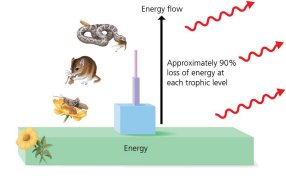
Equation: Energy transfer efficiency between trophic levels:
Chemical Cycling in Ecosystems
Biogeochemical cycles involve both biotic and abiotic components. Elements like phosphorus are cycled locally, while carbon and nitrogen are cycled globally. Runoff of nutrients can cause algal blooms and oxygen depletion in aquatic systems.
Abiotic Reservoirs: Non-living sources of elements (e.g., atmosphere, soil).
Microbial Processing: Some elements require microbial transformation before being available to plants.
Human Impact: Agricultural runoff alters nutrient cycles and water quality.
Conservation and Restoration Biology
Biodiversity Hot Spots
Conservation biology aims to counter biodiversity loss, focusing on areas rich in endangered species. These hot spots are priorities for protection.
Conservation at the Ecosystem Level
Modern conservation efforts target entire ecosystems and landscapes. Ecological corridors promote dispersal and sustain populations, while ecosystem edges can have both positive and negative effects on biodiversity.
Restoring Ecosystems
Restoration biology uses microbes, plants, and other methods to remove toxins and revitalize damaged ecosystems. Projects like the Kissimmee River Restoration aim to undo ecological harm caused by human engineering.
The Goal of Sustainable Development
Sustainable development seeks to balance human needs with the health of the biosphere, aiming for long-term prosperity and ecosystem support.
Additional info: These notes expand on the original content with academic context, definitions, and examples to provide a comprehensive study guide for college biology students.
