 Back
BackCommunity Ecology: Interactions and Adaptations
Study Guide - Smart Notes
 Tailored notes based on your materials, expanded with key definitions, examples, and context.
Community Ecology
Definition of a Community
A community in ecology refers to a group of populations of different species living close enough for interspecific interactions to occur. These interactions shape the structure and dynamics of the community.
Ecological niche: The sum of a species' use of the biotic and abiotic resources in its environment.
Types of interactions: Interactions can be classified by their effects on the interacting species: -/-, +/-, +/+, or +/0.
Types of Species Interactions
Competition
Competition occurs when two or more species use the same limited resource. This interaction is typically -/- because both species are negatively affected by the reduced availability of resources.
Competitive exclusion principle: Two species competing for the same limiting resource cannot coexist at constant population values; one will outcompete the other.
Predation
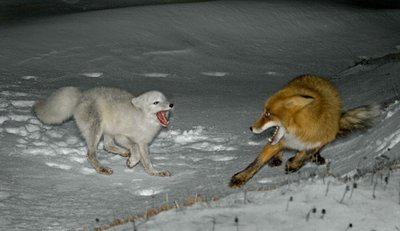
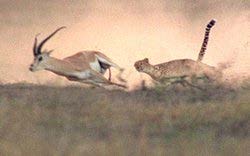
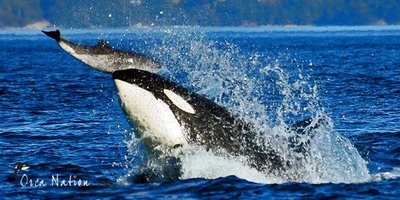
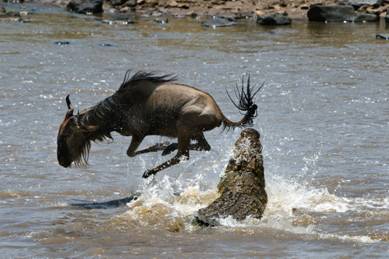
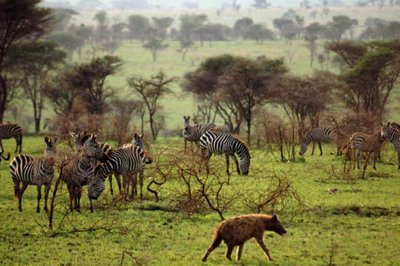
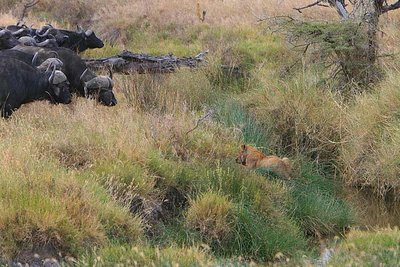
Predation is a +/- interaction where one species (the predator) kills and eats another (the prey). Predation drives the evolution of various adaptations in both predators and prey.
Predator adaptations: Traits that enhance the ability to capture and consume prey, such as speed, camouflage, acute senses, and specialized anatomical structures.
Prey adaptations: Traits that help avoid being eaten, including behavioral defenses, coloration, mimicry, and physical or chemical defenses.
Predator Adaptations
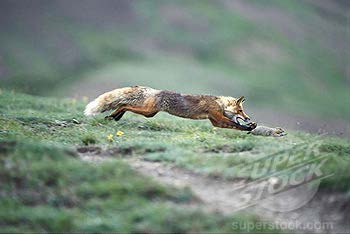
Pursuit: Fast and agile predators chase down prey (e.g., cheetahs).
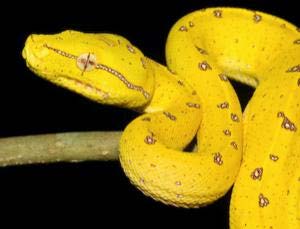
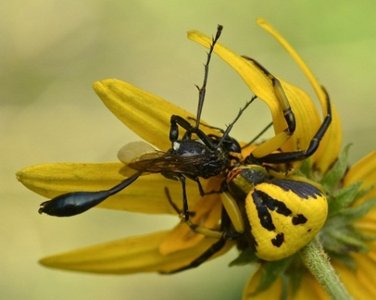
Ambush: Some predators use camouflage or stealth to surprise prey (e.g., crab spiders).
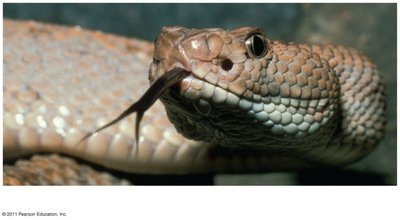
Specialized senses: Infrared receptors in snakes help detect warm-blooded prey.
Prey Adaptations
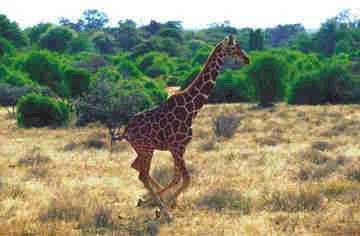
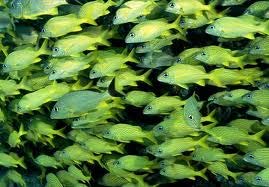
Behavioral defenses: Hiding, fleeing, forming herds or schools, mobbing, and fighting back.
Coloration: Cryptic coloration (camouflage), aposematic coloration (warning colors), Batesian mimicry (harmless species mimics harmful one), Müllerian mimicry (two unpalatable species mimic each other).
Herbivory
Herbivory is a +/- interaction where an animal eats parts of a plant or alga. Herbivores have adaptations for finding and consuming plant material, while plants have evolved defenses against herbivory.
Land herbivores: Grazing mammals (cattle, sheep, hippos), insects (grasshoppers, beetles).
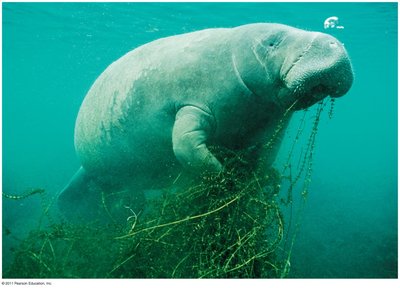
Oceanic herbivores: Snails, sea urchins, tropical fish, manatees.
Herbivore Adaptations
Specialized teeth and digestive systems for processing plant material.
Ability to detect and avoid toxic plants.
Plant Adaptations
Chemical defenses: Production of toxins (e.g., swainsonine in locoweeds, strychnine in Strychnos toxifera).
Physical defenses: Thorns, spines, tough leaves.
Unpalatable compounds: Substances that deter herbivores by taste (e.g., cinnamon, peppermint, cloves).
Symbiosis
Symbiosis refers to interactions in which individuals of two or more species live in direct contact with one another. These relationships can be classified based on the effects on each participant.
Parasitism
Parasitism is a +/- interaction where one organism (the parasite) derives nourishment from another organism (the host), which is harmed in the process.
Endoparasites: Live inside the host (e.g., tapeworms, Plasmodium falciparum).
Ectoparasites: Live on the external surface of the host (e.g., ticks, lice, aphids).
Mutualism
Mutualism is a +/+ interaction that benefits both species involved. There are two main types:
Facultative mutualism: Both species can survive independently (e.g., humans and honeyguides).
Obligate mutualism: At least one species cannot survive without the other (e.g., acacia trees and ants).
Commensalism
Commensalism is a +/0 interaction where one species benefits and the other is neither helped nor harmed. Examples include hitch-hiking species or those that feed on leftovers from larger animals.
Additional info: The notes above expand on the brief points in the original material, providing definitions, examples, and explanations of key ecological interactions and adaptations. Images were included only when directly relevant to the described concepts.
