 Back
BackCommunity Ecology: Interactions and Adaptations
Study Guide - Smart Notes
 Tailored notes based on your materials, expanded with key definitions, examples, and context.
Community Ecology
Definition of a Community
A community in ecology refers to a group of populations of different species living close enough for interspecific interactions to occur. These interactions shape the structure and dynamics of the community.
Ecological niche: The sum of a species' use of the biotic and abiotic resources in its environment.
Types of interactions: Interactions can be classified by their effects on the interacting species: -/-, +/-, +/+, or +/0.
Competition
Nature of Competition
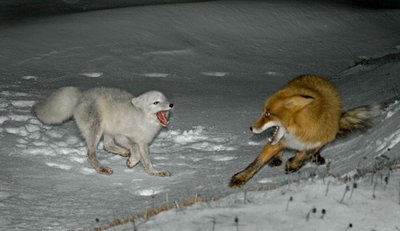
Competition occurs when two or more species compete for the same limited resource. This interaction is typically negative for both species (-/-) because the presence of competitors reduces the availability of resources for each.
Competitive exclusion principle: Two species competing for the same limiting resource cannot coexist permanently in the same place.
Resource partitioning: The differentiation of niches that enables similar species to coexist in a community.
Predation
Predator-Prey Interactions
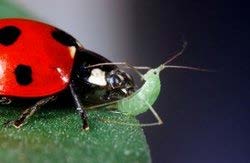
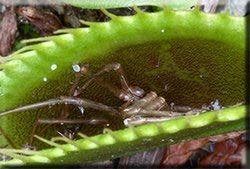
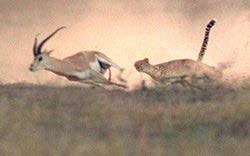
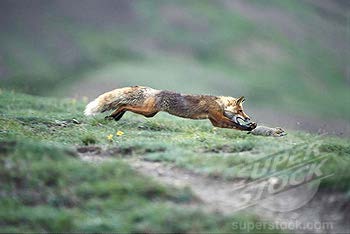
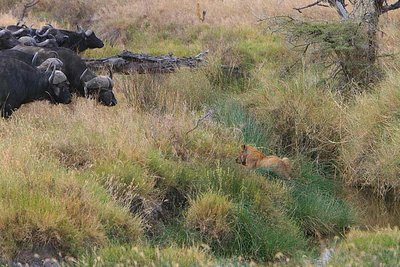
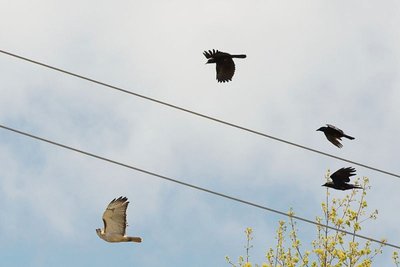
Predation is an interaction in which one species, the predator, kills and eats the other, the prey. This is a +/- interaction: the predator benefits, while the prey is harmed.
Predator adaptations: Predators have evolved various adaptations to capture prey, such as acute senses, claws, fangs, speed, and camouflage.
Prey adaptations: Prey species have evolved defenses such as hiding, fleeing, forming groups, and defensive coloration.
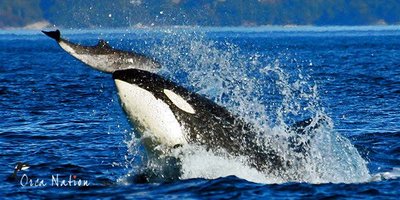
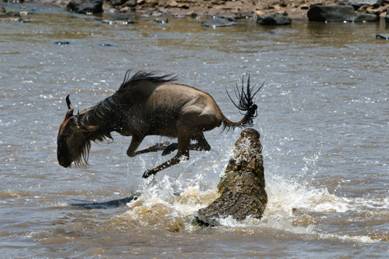
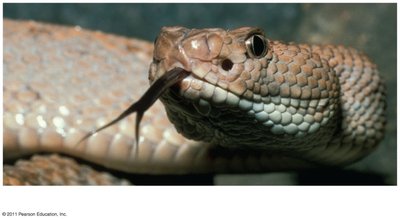
Predator Adaptations
Acute senses: Many predators have highly developed senses for detecting prey (e.g., infrared receptors in snakes).
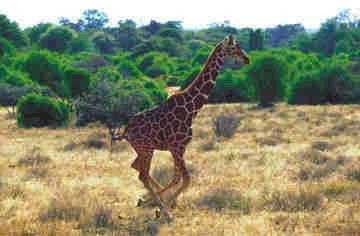
Speed and agility: Some predators, such as cheetahs, rely on speed to catch prey.
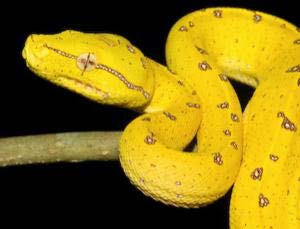
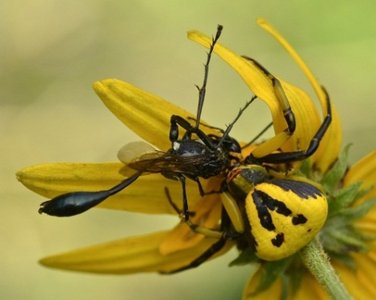
Ambush strategies: Some predators use camouflage and stealth to ambush prey.
Prey Adaptations
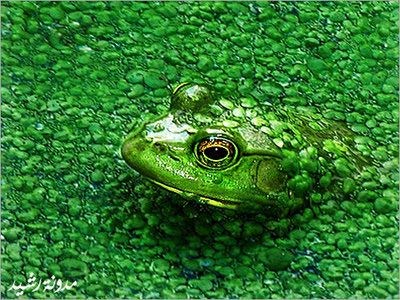
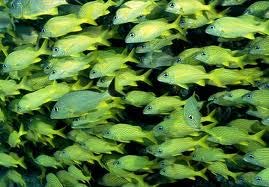
Behavioral defenses: Hiding, fleeing, forming herds or schools, and fighting back are common strategies.
Distraction and confusion: Prey may scatter or use sudden movements to disorient predators.
Examples of Prey Behavioral Adaptations
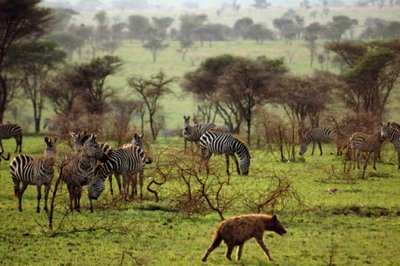
Zebras: Encircle attacked family members and may bite if attacks continue.
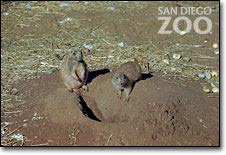
Prairie dogs: Bob heads and scream to alert others, with different calls for different predators.
Mobbing: Prey species may mob predators to drive them away.
Prey Coloration Adaptations
Cryptic coloration: Camouflage that makes prey difficult to spot.
Aposematic coloration: Warning coloration that signals toxicity or unpalatability.
Batesian mimicry: Harmless species mimics a harmful one.
Müllerian mimicry: Two unpalatable species mimic each other.
Herbivory
Herbivore-Plant Interactions
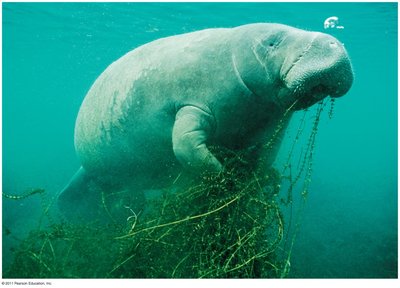
Herbivory is an interaction in which an organism eats parts of a plant or alga. This is a +/- interaction: the herbivore benefits, while the plant is harmed.
Land herbivores: Grazing mammals (cattle, sheep, hippos), grasshoppers, beetles.
Oceanic herbivores: Snails, sea urchins, tropical fish, manatees.
Herbivore Adaptations
Selective feeding: Some herbivores are very picky and can detect toxins in plants.
Specialized digestion: Adaptations in teeth and digestive systems to process plant material.
Plant Adaptations Against Herbivory
Chemical defenses: Production of toxins (e.g., swainsonine in locoweeds, strychnine in Strychnos toxifera).
Physical defenses: Thorns, spines, and tough leaves.
Unpalatable compounds: Substances that taste bad but are not poisonous (e.g., cinnamon, peppermint, cloves).
Symbiosis
Types of Symbiotic Relationships
Symbiosis is a close and long-term biological interaction between two different biological organisms. The effects can be negative, positive, or neutral for each participant.
Parasitism (+/-): One organism (parasite) benefits at the expense of the host. Includes endoparasites (inside host) and ectoparasites (on host surface).
Mutualism (+/+): Both species benefit. Can be facultative (not required for survival) or obligate (required for at least one species).
Commensalism (+/0): One species benefits, the other is neither helped nor harmed.
Examples of Parasitism
Tapeworms: Endoparasites living inside the host's digestive tract.
Ticks and lice: Ectoparasites living on the external surface of the host.
Aphids: Feed on plant sap, sometimes with mutualistic relationships with ants.
Examples of Mutualism
Clownfish and sea anemones: Clownfish gain protection, anemones receive food particles.
Acacia and ants: Ants live in acacia trees and defend them from herbivores.
Humans and honeyguides: Birds lead humans to beehives; both benefit from honey and wax.
Examples of Commensalism
Hitch-hiking species: Organisms that use others for transportation or access to resources without affecting them.
Scavengers: Animals that feed on leftovers from larger predators.
