 Back
Community Ecology: Structure, Dynamics, and Diversity
Study Guide - Smart Notes
 Tailored notes based on your materials, expanded with key definitions, examples, and context.
Community Ecology
Levels of Ecological Organization
Community ecology examines how groups of species interact and coexist within a defined geographic area, forming complex networks of relationships. - Community: A group of species that coexist and interact within a contained geographic area. - Species Composition: The mix and abundance of species within a community.
Factors Influencing Community Structure
The structure of a community is shaped by multiple factors, including colonization, persistence, environmental gradients, trophic interactions, and disturbances.
Colonization & Persistence: Communities contain species that colonize and persist over time.
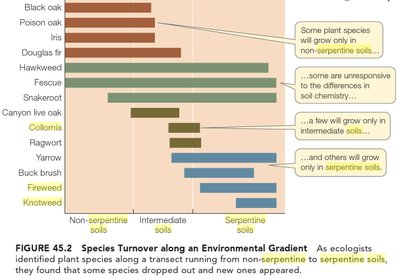
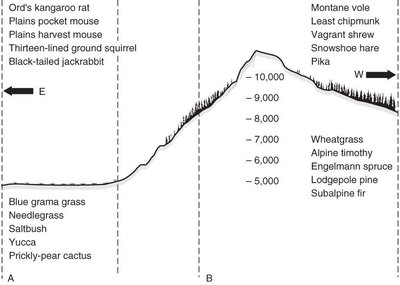
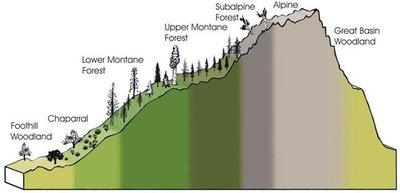
Environmental Gradients: Competition and species composition vary across gradients such as soil type, altitude, and rainfall.
Trophic Interactions: Energy flow and nutrient cycling are determined by consumer-resource relationships.
Disturbances: Sudden environmental changes can alter community structure and initiate succession.
Species Colonization and Persistence
Community Composition
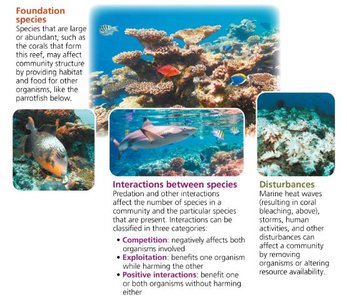
The composition of a community is determined by the mix and abundance of species, which is influenced by their ability to colonize and persist in the environment. - Colonization: The arrival and establishment of new species or individuals in a community. - Persistence: The continued survival of species within the community.
Species Interactions
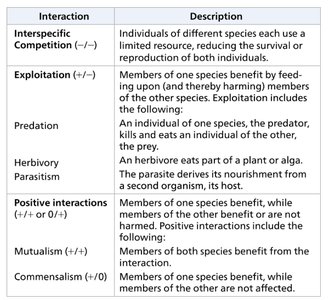
Species interact in various ways, affecting their survival and reproduction. These interactions can be competitive, exploitative, or positive.
Interaction | Description |
|---|---|
Interspecific Competition (−/−) | Individuals of different species use a limited resource, reducing survival or reproduction of both. |
Exploitation (+/−) | One species benefits by feeding upon (and harming) another. Includes predation, herbivory, and parasitism. |
Positive Interactions (+/+ or +/0) | Both species benefit (mutualism) or one benefits without affecting the other (commensalism). |
Community Change Over Space and Time
Environmental Gradients
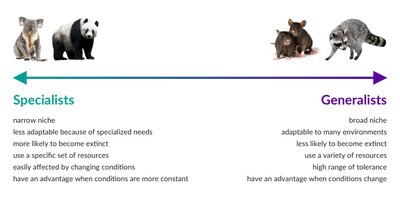
Communities change across environmental gradients such as soil type, altitude, and rainfall, affecting which species can thrive. - Generalists: Species with broad niches, adaptable to many environments. - Specialists: Species with narrow niches, requiring specific conditions.
Altitude and Rainfall Effects
Altitude and rainfall influence the composition of plant and animal communities, as different species have varying requirements for water and oxygen. 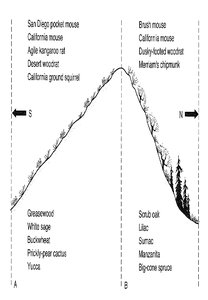
Extinction and Colonization
- Extinction: The loss of a species from a community, though it may persist elsewhere. - Colonization: The arrival of new individuals or species, increasing population size and diversity.
Disturbance and Succession
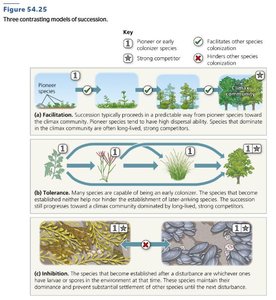
Disturbances such as wildfires, hurricanes, or human activities can wipe out species and alter the physical environment, leading to ecological succession. - Succession: The predictable sequence of species replacement following disturbance. - Ecological Transition: A shift from one community type to another (e.g., grassland to woodland).
Types of Ecological Succession
Primary Succession: Formation of a new ecosystem in an area not previously occupied (e.g., exposed rock, lava).
Secondary Succession: Recovery of an ecosystem after disturbance, with soil remaining intact (e.g., after fire or farming).
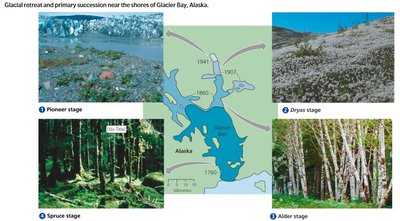
Pioneer and Climax Communities
- Pioneer Species: The first organisms to colonize a new environment, often tolerant of extreme conditions (e.g., lichens, mosses). - Climax Community: A mature, stable community with little change in species composition.
Stable Ecosystems
- Stable Ecosystem: One that remains relatively constant, with predictable changes over time.
Climate Change and Community Dynamics
As physical conditions change due to climate change, the geographic range of species shifts, altering community composition. 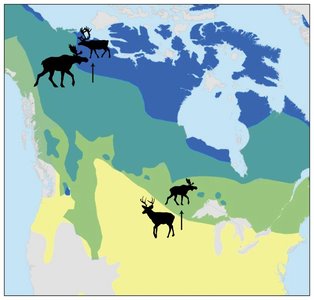
Trophic Interactions and Energy Flow
Niche and Environmental Tolerances
A species' niche is defined by its environmental tolerances, determining where it can live and how it interacts with other species. 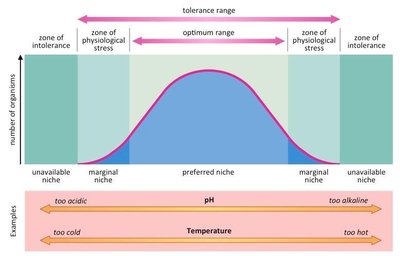
Trophic Cascades
Trophic interactions, such as predation and resource consumption, can cause ripple effects across trophic levels, altering community structure. - Trophic Cascade: Consumer/resource interactions that cause changes across multiple trophic levels. - Example: Removal of wolves in Yellowstone led to elk population explosion, affecting aspen and willow trees, and beaver populations; reintroduction of wolves restored balance.
Biological Amplification
While energy is lost at each trophic level, certain nutrients or toxins may become concentrated, a process known as biological amplification. - Biological Amplification: Accumulation of substances (e.g., mercury) in organisms at higher trophic levels.
Biogeographic Factors Affecting Community Diversity
Latitudinal Gradients
Species diversity tends to increase toward the equator, influenced by climate, energy availability, and habitat complexity.
Area Effects
Larger areas tend to support more species due to greater habitat diversity and lower extinction rates. 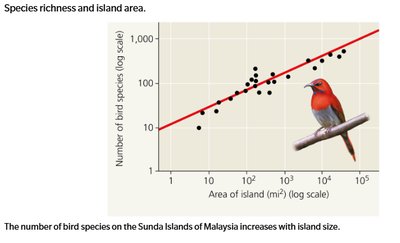
Island Equilibrium Model
The MacArthur and Wilson model describes how the number of species on an island is determined by the balance between immigration and extinction rates. 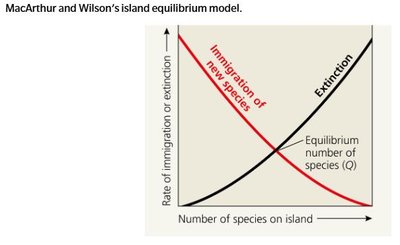
Energy, Water, and Species Richness
Species richness is also influenced by energy and water availability, as measured by indices such as evapotranspiration. 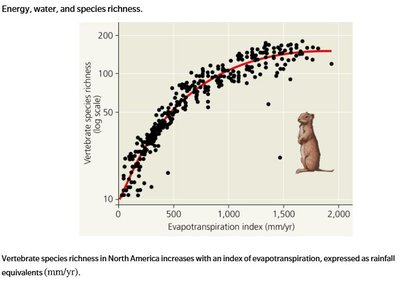
Summary Table: Community Ecology Concepts
Concept | Definition |
|---|---|
Community | Group of species interacting within a geographic area |
Species Composition | Mix and abundance of species in a community |
Succession | Predictable sequence of species replacement after disturbance |
Trophic Cascade | Ripple effects across trophic levels due to consumer/resource interactions |
Biological Amplification | Concentration of substances at higher trophic levels |
Island Equilibrium Model | Balance of immigration and extinction determines species number |
Key Equations
Island Equilibrium Model
The equilibrium number of species () is where immigration and extinction rates intersect:
Species-Area Relationship
The number of species () increases with area (): where and are constants.
Evapotranspiration Index
Species richness correlates with evapotranspiration (rainfall equivalents):
Conclusion
Community ecology explores the dynamic interactions, environmental gradients, and biogeographic factors that shape the diversity and structure of biological communities. Understanding these principles is essential for predicting how communities respond to environmental change and disturbance.
