 Back
BackCommunity Ecology: Structure, Interactions, and Conservation
Study Guide - Smart Notes
 Tailored notes based on your materials, expanded with key definitions, examples, and context.
Community Ecology
What is a Community?
A biological community consists of all the populations of different species that live and interact in a particular area. Community ecology studies the structure, interactions, and dynamics of these groups.
Composition: Refers to the types of organisms present in the community.
Biodiversity: Measures the variety of species and their relative abundance.
Example: In an Indiana forest, an overabundance of deer can reduce plant diversity, affect other animal populations, and even alter nonliving factors like soil quality.
Measuring Biodiversity: Simpson's Diversity Index
Simpson's Diversity Index (D) is a quantitative measure of biodiversity that considers both the number of species present (richness) and the relative abundance of each species (evenness).
The value of D ranges from 0 (no diversity) to 1 (high diversity).
The formula for Simpson's Diversity Index is:
where is the number of individuals of species i, and N is the total number of individuals of all species.
Resource Partitioning and Niches
How Do Similar Species Share Resources?
Species with similar ecological requirements can coexist by dividing resources, a process known as resource partitioning. This reduces direct competition and allows multiple species to inhabit the same area.
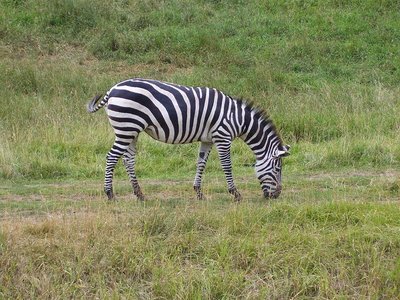
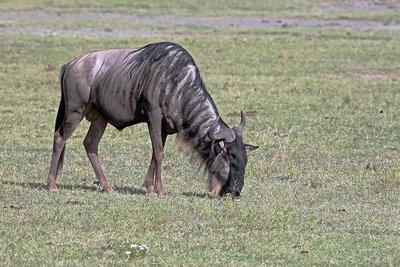
Example: Large herbivores like zebras and wildebeests on the African savanna all graze on grasses but may feed at different times, on different grass heights, or in different areas.
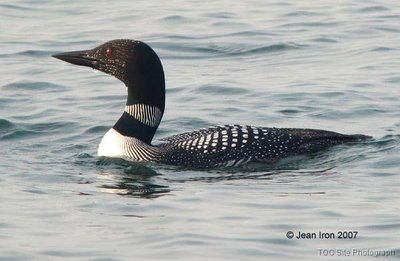
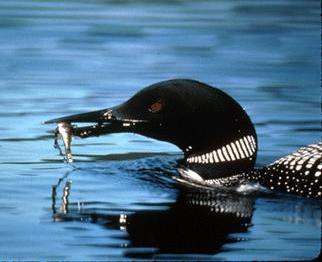
Birds such as kingfishers, herons, and loons may all eat fish but occupy different niches by hunting in different microhabitats or using different hunting techniques.
Competitive Exclusion Principle
The Competitive Exclusion Principle states that no two species can occupy the exact same niche in a habitat. If they do, one will outcompete the other, leading to local extinction or resource partitioning.
Resource partitioning allows similar species to coexist by minimizing direct competition.
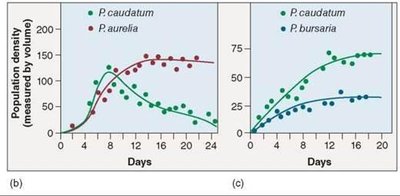
Community Interactions
Types of Interactions
Species in a community interact in various ways, influencing each other's survival and reproduction.
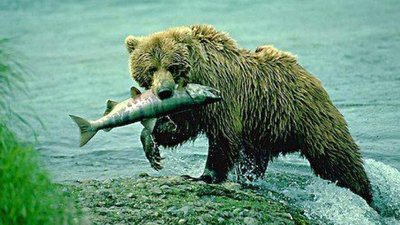
Predation (+/-): One organism (predator) captures and feeds on another (prey), benefiting the predator and harming the prey.
Competition (-/-): Multiple organisms vie for the same limiting resource, lowering the fitness of all involved. Competition can be intraspecific (within a species) or interspecific (between species).

Symbiosis
Symbiosis refers to close, long-term interactions between different species. There are three main types:
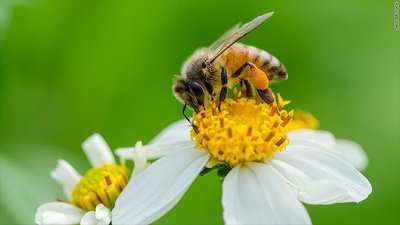
Mutualism (+/+): Both species benefit. Example: Bees pollinating flowers.
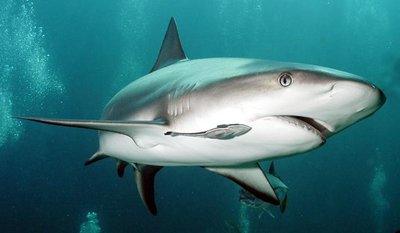
Commensalism (+/0): One species benefits, the other is unaffected. Example: Remora fish attaching to sharks for transportation and scraps.
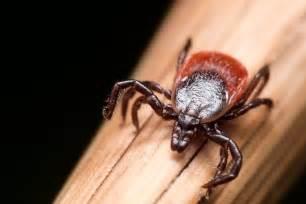
Parasitism (+/-): One species benefits at the expense of another. Example: Ticks feeding on mammals.
Top Predators and Trophic Cascades
Role of Top Predators
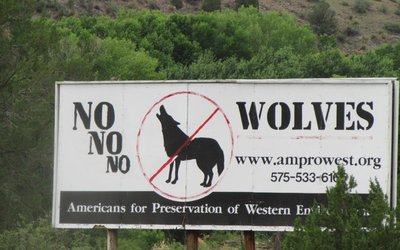
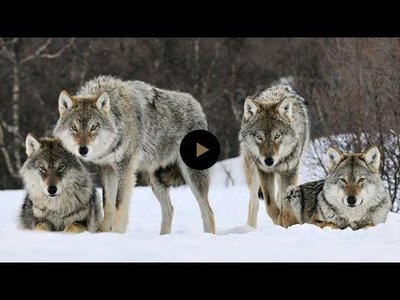
Top-level predators help regulate populations of herbivores and other animals, maintaining balance in ecosystems. Their removal or reintroduction can have significant ecological effects, known as trophic cascades.
Example: Reintroduction of wolves to Yellowstone National Park controlled deer and elk populations, allowing vegetation and other animal populations to recover.
Monitoring Communities: Endangered Species
Endangered and Threatened Species
Species are classified as endangered when their population numbers are so low that they are at risk of extinction. Threatened species are likely to become endangered in the near future.
The Endangered Species Act (ESA) of 1973 protects endangered and threatened species and their habitats in the U.S. by prohibiting the "take" of listed animals (harass, harm, hunt, kill, etc.).
International laws protect species outside the U.S.
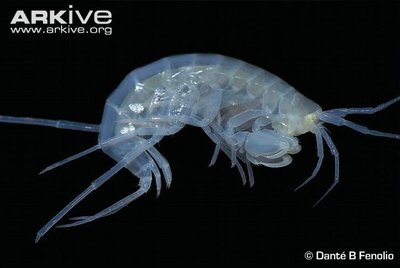
Example: The cave amphipod is an endangered species found in the Midwest, including caves near St. Louis.
Flagship Species
Flagship species are large, charismatic animals with widespread popular appeal, often used by conservationists to promote environmental protection efforts.
Examples include elephants, rhinos, and pandas.
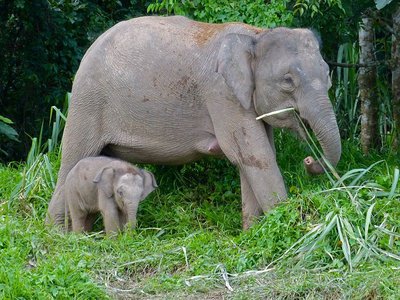
Discussion: Some animals receive more conservation attention due to their appeal, while less charismatic species may be overlooked.
