 Back
Community Interactions and Species Relationships in Ecology
Study Guide - Smart Notes
 Tailored notes based on your materials, expanded with key definitions, examples, and context.
Community Interactions in Ecology
Importance of Community Interactions
Ecological communities consist of all the populations that interact within a defined area. These interactions are crucial for maintaining ecological balance, limiting population sizes, and shaping the bodies and behaviors of interacting populations. Major types of interactions include competition, predation, parasitism, and mutualism.
Population Regulation: Community interactions help maintain a balance between available resources and the number of individuals using them.
Evolutionary Change: Interactions can drive evolutionary changes, such as coevolution, where two or more species reciprocally affect each other's evolution.

Types of Species Interactions
Competition
Competition occurs when two or more species or individuals vie for the same limited resources. This interaction has negative effects on both parties involved.
Intraspecific Competition: Competition among members of the same species, usually the most intense form.
Interspecific Competition: Competition between different species; its intensity depends on how similar their ecological requirements are.
Ecological Niche
An ecological niche includes the particular type of habitat, environmental factors necessary for survival, and the methods by which an organism acquires its nutrients. It is sometimes described as an organism’s “market share” in the ecosystem.
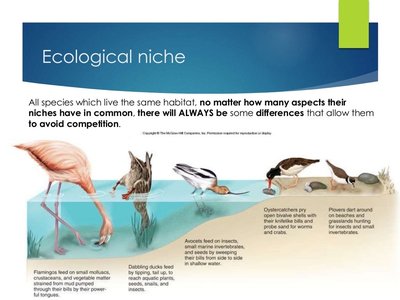
Competitive Exclusion Principle: No two species can occupy the exact same niche indefinitely; one will outcompete the other, leading to exclusion or niche differentiation.
Predation
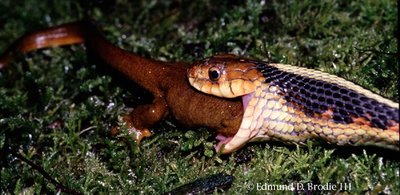
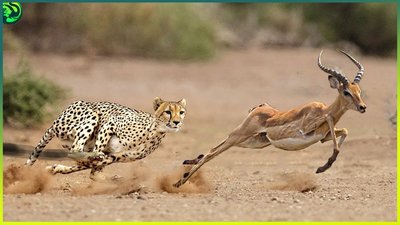
Predation is a biological interaction where one organism (the predator) kills and eats another organism (the prey). This interaction benefits the predator and harms the prey.
Population Control: Predation helps regulate prey populations and can drive evolutionary adaptations in both predator and prey.
Adaptations: Prey may evolve defenses such as camouflage or warning coloration, while predators may evolve better hunting strategies.
Parasitism
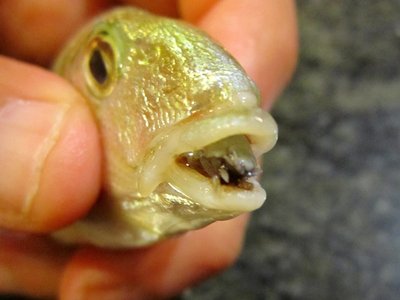
Parasitism is a specialized form of predation where the parasite lives on or inside the host, benefiting at the host’s expense. Parasites are often structurally adapted to this way of life.
Host-Parasite Relationship: The host is typically larger and provides resources for the smaller parasite.
Examples: Ticks on mammals, parasitic isopods in fish mouths.

Mutualism
Mutualism is an ecological interaction where both species benefit from the relationship. These interactions are often highly specialized and can involve the exchange of resources or services.
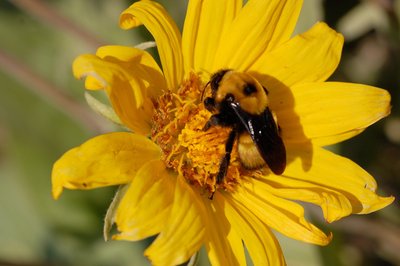
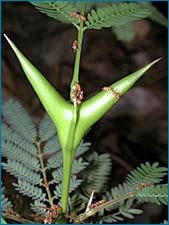
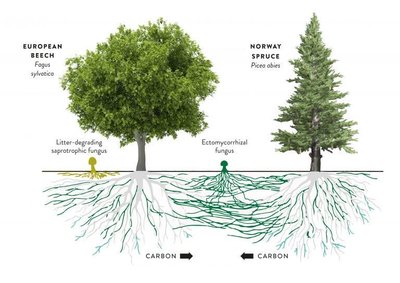
Examples: Bees pollinating flowers, ants protecting acacia plants in exchange for food and shelter, mycorrhizal fungi exchanging nutrients with plant roots.
Coevolution
Definition and Examples
Coevolution occurs when two or more species reciprocally affect each other's evolution. This process often leads to specialized adaptations in both species.
Example: The evolutionary arms race between predators and prey, or between parasites and hosts.
Resource Partitioning
Reducing Competition
Resource partitioning allows similar species to coexist in the same habitat by utilizing different resources or engaging in different behaviors to minimize competition.
Example: Different bird species feeding on different parts of the same tree or at different times of day.
Predator-Prey Interactions
Adaptations and Population Dynamics
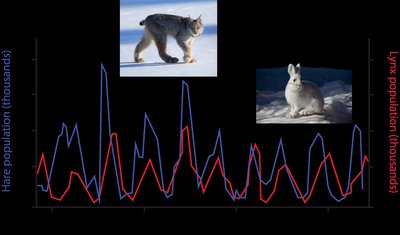
Predator-prey relationships drive the evolution of adaptations such as camouflage, warning coloration, and mimicry. These interactions also influence population cycles.
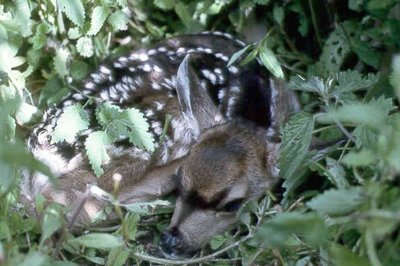
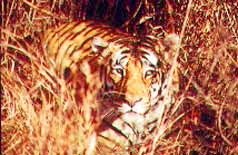
Camouflage: Allows prey to avoid detection by predators (e.g., fawns with spotted coats, tigers with striped fur).
Warning Coloration: Bright colors signal toxicity or danger to potential predators.
Exotic and Invasive Species
Impact on Native Communities
Exotic (non-native) and invasive species can disrupt native ecosystems by outcompeting native species, altering habitats, and spreading diseases. These species often lack natural predators in their new environments, allowing their populations to grow unchecked.
Examples: Yellow Star Thistle (Centaurea solstitialis), Giant Reed (Arundo donax), Golden Mussel (Limnoperna fortunei), Tumbleweed (Kali sp.).
Consequences: Loss of biodiversity, changes in ecosystem function, and economic impacts.
Summary Table: Types of Species Interactions
Interaction Type | Effect on Species 1 | Effect on Species 2 | Example |
|---|---|---|---|
Competition | Negative (-) | Negative (-) | Two bird species competing for the same seeds |
Predation | Positive (+) | Negative (-) | Snake eating a newt |
Parasitism | Positive (+) | Negative (-) | Tick on a mammal |
Mutualism | Positive (+) | Positive (+) | Bee pollinating a flower |
