 Back
BackCommunity Interactions: Structure, Dynamics, and Adaptations
Study Guide - Smart Notes
 Tailored notes based on your materials, expanded with key definitions, examples, and context.
Community Interactions
Overview of Community Interactions
Community interactions are the various ways in which species living in the same area affect each other's survival and reproduction. These interactions shape the structure, diversity, and stability of biological communities.
Community: An assemblage of populations of different species living close enough for potential interactions.
Types of Interactions: Include competition, predation, mutualism, commensalism, and parasitism.
Types of Species Interactions
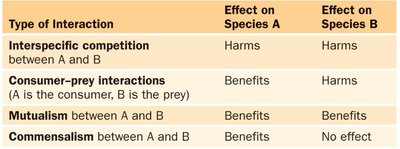
Species interact in several fundamental ways, each with distinct effects on the participants.
Type of Interaction | Effect on Species A | Effect on Species B |
|---|---|---|
Interspecific competition | Harms | Harms |
Consumer–prey interactions | Benefits | Harms |
Mutualism | Benefits | Benefits |
Commensalism | Benefits | No effect |
Competition
Interspecific Competition
Interspecific competition occurs when individuals of different species compete for the same limited resources, such as food, space, or light. This interaction can reduce the fitness of both species involved.
Competitive Exclusion Principle: Two species competing for the same limiting resource cannot coexist at constant population values; one will outcompete the other.
Resource Partitioning: The differentiation of ecological niches, enabling similar species to coexist in a community.
Example: Paramecium aurelia and Paramecium caudatum grown together in the same flask compete for resources, resulting in the decline of one species. 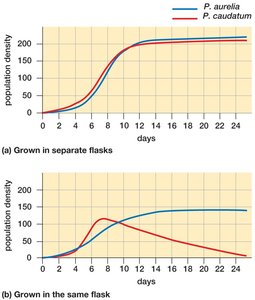
Resource Partitioning
Resource partitioning reduces competition by allowing species to exploit different resources or habitats.
Species may use different parts of a habitat or feed at different times to minimize competition.
Example: Different species of warblers feed in different parts of the same tree, reducing direct competition. 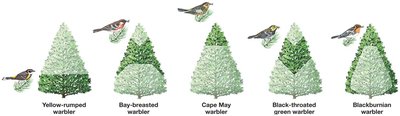
Competition and Population Distribution
Competition can limit the population size and distribution of species within a community.
When one species is a superior competitor, it may exclude others from certain habitats.
Example: The introduction of the eastern gray squirrel has reduced populations of the native Eurasian red squirrel in some areas. 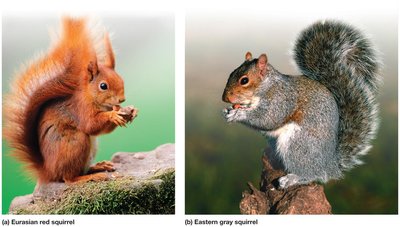
Invasive Species
Invasive species are non-native organisms that spread widely in a new environment, often outcompeting native species and disrupting community structure.
They may lack natural predators or diseases in the new habitat.
Can cause ecological and economic harm.
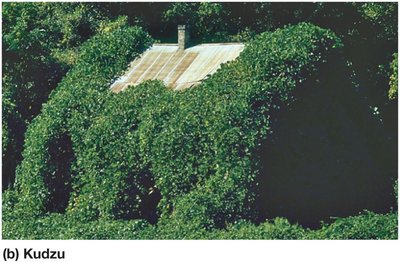
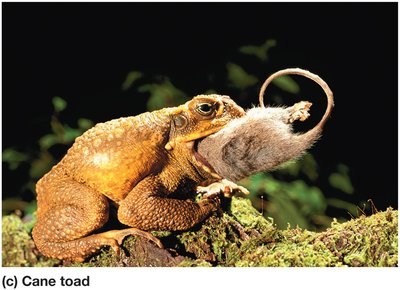
Examples: Burmese python in Florida, kudzu vine in the southeastern U.S., and cane toad in Australia. 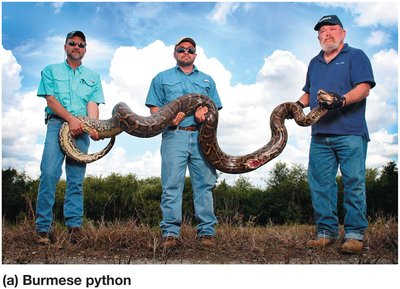
Predation and Consumer-Prey Interactions
Forms of Predation
Predation includes all interactions in which one organism (the consumer) eats another (the prey). This category includes carnivory, herbivory, and parasitism.
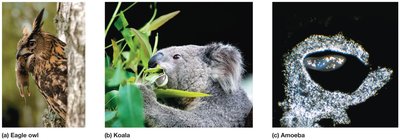
Carnivores: Eat other animals (e.g., eagle owl).
Herbivores: Eat plants (e.g., koala).
Omnivores: Eat both plants and animals.
Parasites: Live on or in a host, feeding on it without immediately killing it.
Coevolution of Predators and Prey
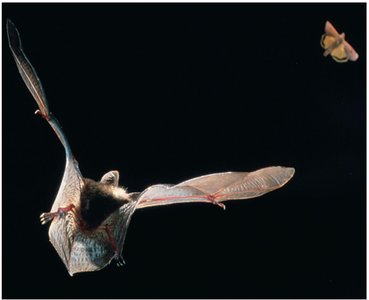
Predator-prey interactions can drive coevolution, where adaptations in one species lead to counter-adaptations in another.
Example: Bats use echolocation to hunt moths, while some moths have evolved ears sensitive to bat calls, allowing them to evade predation.
Defensive Adaptations in Prey
Prey species have evolved a variety of defenses to avoid predation, including chemical, physical, and behavioral adaptations.
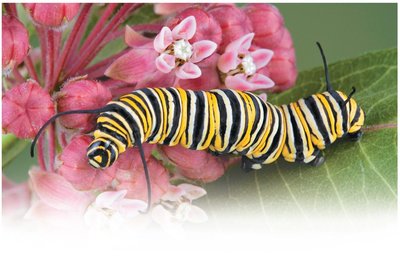
Chemical Warfare: Some organisms produce toxins or unpleasant chemicals to deter predators (e.g., monarch caterpillars).
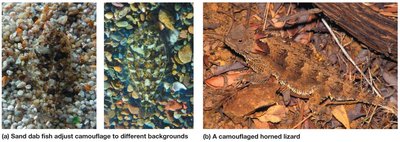
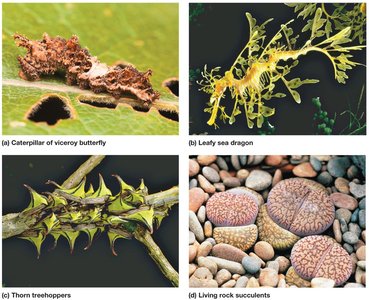
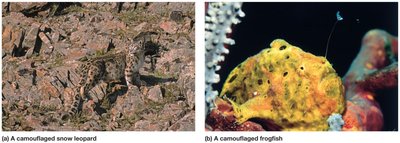
Camouflage: Allows organisms to blend into their environment or resemble other objects, making them less visible to predators.
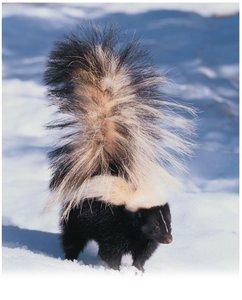
Warning Coloration (Aposematism): Bright colors warn predators of toxicity or unpalatability (e.g., skunk).
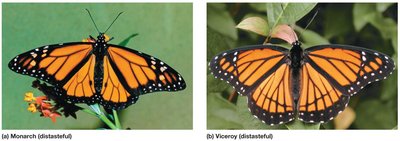
Müllerian Mimicry: Two or more unpalatable species resemble each other, reinforcing avoidance by predators (e.g., monarch and viceroy butterflies).
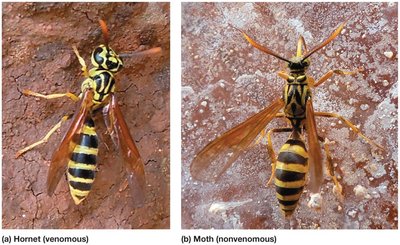
Batesian Mimicry: A harmless species mimics a harmful or unpalatable one (e.g., nonvenomous moth mimics venomous hornet).
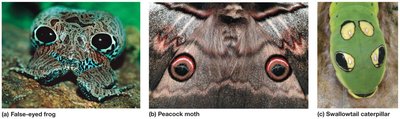
Startle Coloration: Sudden display of eye spots or bright colors startles predators, giving prey a chance to escape.
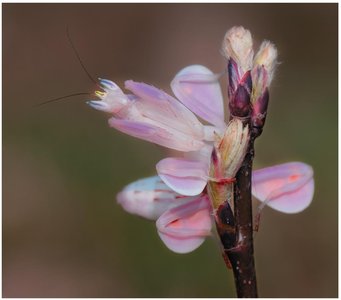
Aggressive Mimicry: Predators or parasites resemble something attractive to their prey or host (e.g., orchid mantis resembles a flower).
Mutualism and Commensalism
Mutualism
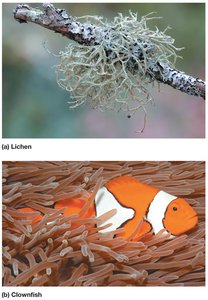
Mutualism is an interaction in which both species benefit. These relationships are often essential for the survival of one or both partners.
Examples: Lichens (fungus and alga), clownfish and sea anemone.
Commensalism
Commensalism is an interaction where one species benefits and the other is neither helped nor harmed.
Example: Barnacles attaching to whales for transport.
Parasitism
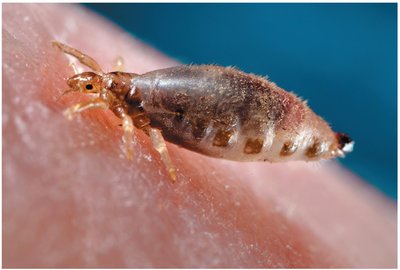
Parasitism is a relationship in which one organism (the parasite) benefits at the expense of another (the host), often without killing it outright.
Example: Human body louse feeding on blood.
Keystone Species
Role of Keystone Species
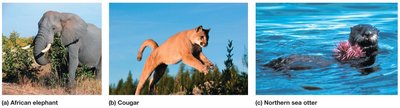
Keystone species have a disproportionately large effect on community structure relative to their abundance. Their removal can cause dramatic changes in the ecosystem.
Examples: African elephant, cougar, northern sea otter.
Succession
Ecological Succession
Succession is the process by which the structure of a biological community evolves over time. It occurs after disturbances or the creation of new habitats.
Primary Succession: Occurs in lifeless areas where soil has not yet formed (e.g., after a volcanic eruption).
Secondary Succession: Occurs in areas where a disturbance has destroyed a community but left the soil intact (e.g., after a fire).
Example: Succession in a freshwater pond, where the community changes from open water to marsh to forest over time.
Additional info: Succession increases biodiversity and ecosystem complexity until a stable climax community is established.
