 Back
Companion Animal Nutrition & Health: Study Notes
Study Guide - Smart Notes
 Tailored notes based on your materials, expanded with key definitions, examples, and context.
Companion Animal Nutrition & Health
Introduction
Nutrition and health are foundational to the well-being of companion animals such as dogs and cats. Understanding nutrient requirements, feeding methods, and preventative health practices ensures optimal quality of life and longevity for pets.
Nutrition in Companion Animals
Nutrient Terminology and Dry Matter Basis
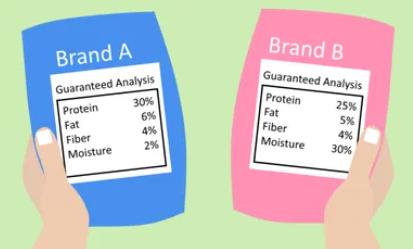
Comparing dietary nutrient intake requires standardization, typically using the dry matter (DM) basis. This allows for accurate comparison between foods with varying moisture content (e.g., dry vs. canned food).
Dry Matter (DM): The portion of food remaining after all water is removed. Calculated as 100% minus the moisture percentage.
As Fed Basis: Nutrient content as it appears in the food, including water.
DM Basis Calculation:
Allows for direct comparison of nutrient density between foods.
Food Preferences: Palatability and Acceptability
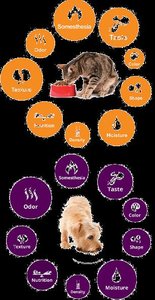
Food selection in companion animals is influenced by palatability (how much an animal likes a food) and acceptability (whether the animal will eat enough of it). These factors do not always ensure a balanced diet.
Palatability: Drives food selection; influenced by taste, smell, texture, and temperature.
Acceptability: Indicates if the animal will consume enough food to meet nutritional needs.
Highly palatable foods (e.g., canned, high protein/fat) are often preferred over dry or high-fiber foods.
Essential Nutrients
A balanced diet for pets must include water, carbohydrates, fats, proteins, vitamins, and minerals. Consumption varies by species, breed, age, and physiological status.
Water: Most critical nutrient; required for all bodily functions.
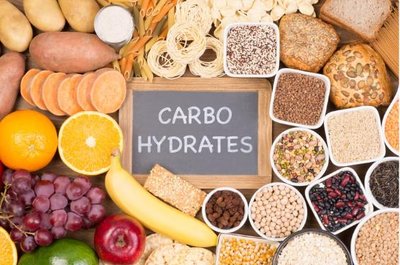
Carbohydrates: Major energy source and structural component in plants.
Fats: Provide concentrated energy, essential fatty acids, and fat-soluble vitamins.
Proteins: Supply essential amino acids; cats are obligate carnivores and require animal-based protein.
Vitamins: Organic compounds necessary for metabolic reactions.
Minerals: Inorganic elements vital for immune function, bone health, and more.

Water Requirements
Water is essential for life, with normal adult dogs and cats requiring approximately 20–40 ml of water per pound of body weight daily. Water is lost through panting, urination, and other physiological processes.
Animals will die more rapidly from lack of water than any other nutrient.
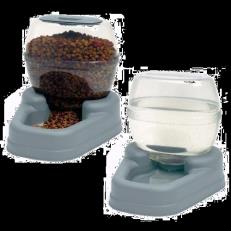
Methods of delivery include bowls, fountains, and wet food.

Carbohydrates
Carbohydrates are a major energy source and are present in pet foods as polysaccharides, starch, and fiber. They are essential for the metabolism of other nutrients and are often processed by extrusion in commercial foods.
Plant-based carbohydrates are cost-effective.
Extrusion: High temperature/pressure processing to create kibble.
Fats
Fats are a concentrated energy source and provide essential fatty acids and fat-soluble vitamins. They enhance palatability and texture of pet foods.
Most commercial dry foods contain 5–10% fat.
Poultry is a common fat source due to cost-effectiveness.
Excess fat can lead to obesity.

Proteins
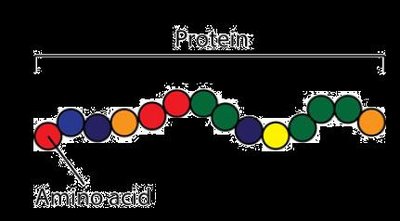
Proteins are vital for growth, maintenance, and repair. Cats require taurine, an amino acid found only in animal tissues, making them obligate carnivores.
Protein is the most expensive component of pet diets.
Taurine deficiency in cats can be fatal.
Vitamins
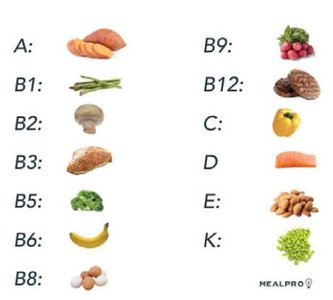
Vitamins are essential organic compounds involved in metabolic reactions. Cats cannot synthesize vitamin A and must obtain it from their diet.
Involved in over 30 metabolic reactions.
Deficiency or excess can cause disease.
Minerals
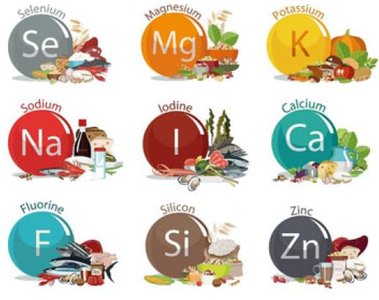
Minerals are inorganic elements required for various physiological functions, including immune response and bone health. They are classified as macrominerals or microminerals based on required amounts.
Macrominerals: Calcium, phosphorus, magnesium, sodium, chloride, potassium, sulfur.
Microminerals: Iron, zinc, copper, manganese, iodine, chromium, selenium.
Measured in parts per hundred (pph) or parts per million (ppm).
Nutrient Requirements and Standards
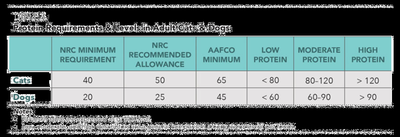
Nutrient requirements for dogs and cats are established by the National Research Council (NRC) and the Association of American Feed Control Officials (AAFCO). These standards help prevent deficiencies, toxicities, and nutritionally related diseases.
Considerations include metabolism, toxicity, deficiency, physiological status, breed, age, and environment.
Types of Commercially Available Pet Foods
Pet foods are categorized by brand recognition, quality, and intended use:
Popular Brands: Developed for brand recognition; moderate to high quality.
Premium Brands: Targeted for life stages or disease control; high quality.
Private Label: Low-cost, variable quality, may have lower digestibility.
Homemade Diets: Require careful preparation to ensure nutritional adequacy.

Snacks and Treats
Treats are a rapidly growing segment of the pet food industry, often designed to resemble human foods or bones. They should be fed in moderation to avoid nutritional imbalances.

Feeding Methods
There are three main feeding methods for companion animals:
Free Choice: Food is available at all times; risk of overeating and obesity.
Time Restricted: Food is available for a set period (15–20 minutes) once or twice daily.
Food Restricted: Measured portions fed at specific times; allows monitoring of appetite and intake.
Reading Pet Food Labels
Pet food labels must include a nutritional adequacy statement, ingredient list, guaranteed analysis, feeding guidelines, and manufacturer information. This ensures transparency and allows owners to compare products.
Look for "complete and balanced" statements and life stage indications.
Ingredients are listed in order of weight.
Guaranteed analysis provides minimum/maximum percentages of nutrients.

Companion Animal Health
Preventative Health
Preventative health practices, including vaccination, parasite control, and regular veterinary visits, are essential for maintaining the quality of life in companion animals. Many diseases affecting humans can also affect pets, including zoonoses (diseases transmissible from animals to humans).
Prevention is more effective than treatment.
Zoonotic pathogens can be viral, parasitic, or bacterial.

Estrus and Estrous Cycles
Understanding reproductive cycles is important for breeding management and health:
Canine Estrus: Begins around 6 months; lasts 1.5–2 weeks; frequency varies by breed size.
Feline Estrus: Begins around 6 months; lasts 3–6 days; seasonally polyestrous and induced ovulators.
Vaccination Types
Vaccines are critical for disease prevention and are classified as:
Killed (Inactivated) Vaccines: Contain dead pathogens.
Modified Live (Attenuated) Vaccines: Contain weakened pathogens.
Vector Vaccines: Use a viral vector to deliver genetic material encoding the antigen.
Common Canine Diseases and Prevention
Rabies: Zoonotic, affects all warm-blooded animals; transmitted via saliva; prevented by vaccination.
Canine Distemper: Highly contagious; affects respiratory, GI, and nervous systems; prevented by vaccination.
Parvovirus: Highly contagious; supportive treatment; prevented by vaccination.
Canine Infectious Respiratory Complex (Kennel Cough): Caused by viruses and bacteria; prevented by vaccination and biosecurity.
Leptospirosis: Zoonotic; transmitted via contaminated water; treated with antibiotics; prevented by vaccination.
Tick-borne Diseases: Lyme disease, Ehrlichiosis, Anaplasmosis, Rocky Mountain Spotted Fever; prevented by tick control.
Feline Preventative Health
Feline Leukemia Virus (FeLV): Viral; vaccination is key; infected cats remain carriers for life.
Adverse Reactions to Vaccines
Vaccine reactions can range from mild (lethargy) to life-threatening (anaphylaxis). Small breed, young adult, neutered males are at higher risk, especially when multiple vaccines are administered simultaneously.
Monitor pets after vaccination and seek veterinary care if severe reactions occur.
Health Records
Maintaining accurate health records is essential for monitoring growth, vital signs, medications, and vaccination history.
Geriatric Care
Aging pets require special management to address common issues such as obesity, arthritis, dental disease, renal and liver disease, heart disease, cancer, and sensory impairments. Regular veterinary care can help manage these conditions and improve quality of life.
Euthanasia and Care of Remains
Euthanasia is a humane option for pets with poor quality of life due to terminal illness or severe pain. Methods of remains disposal include burial, cremation, pet cemeteries, and taxidermy. The decision should prioritize the animal's welfare and owner's wishes.
