Back

Comprehensive Biology Final Exam Study Guide

Study Guide - Learn with Videos

Curated lessons matched to your uploaded material – learn every topic step by step.

Atoms - Smallest Unit of Matter

  • Atoms- Smallest Unit of Matter Example 1
    02:13

  • Atoms- Smallest Unit of Matter Example 3
    03:51
  • Electron Orbitals & Energy Shells
    09:44

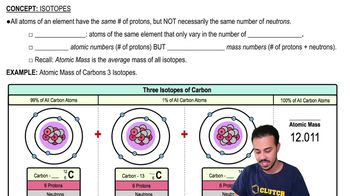
Isotopes

  • Isotopes
    06:50
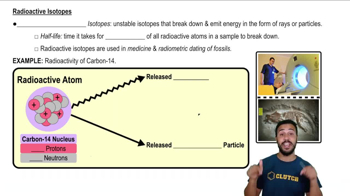
  • Radioactive Isotopes
    02:37

Introduction to Chemical Bonding

  • Introduction to Chemical Bonding Example 1
    1:59
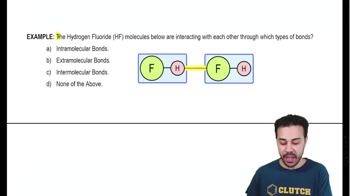
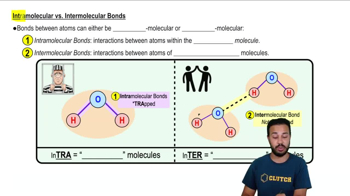
  • Intramolecular vs. Intermolecular Bonds
    03:53
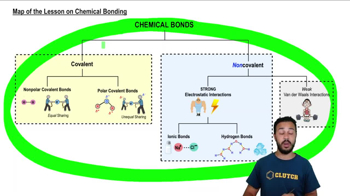
  • Map of the Lesson on Chemical Bonding
    02:42

Covalent Bonds

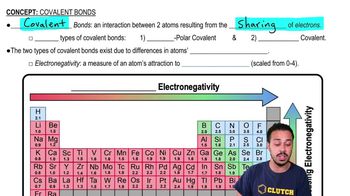
  • Covalent Bonds
    04:28
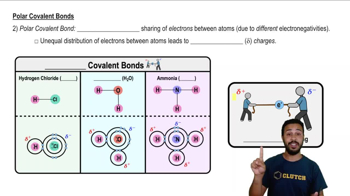
  • Polar Covalent Bonds
    06:59
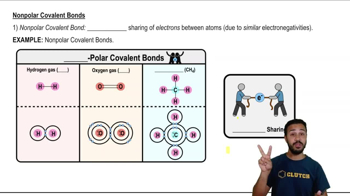
  • Nonpolar Covalent Bonds
    06:41

Ionic Bonding

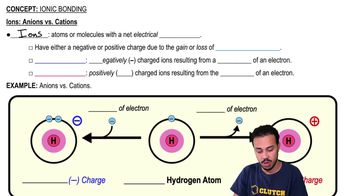
  • Ions: Anions vs. Cations
    04:34
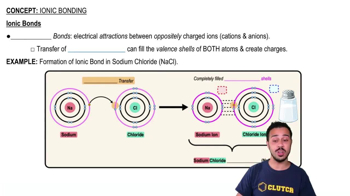
  • Ionic Bonds
    06:07

Hydrogen Bonding

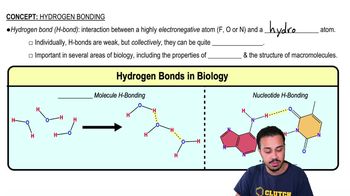
  • Hydrogen Bonding
    05:03

Introduction to Water

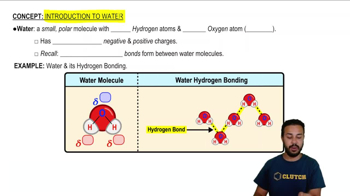
  • Introduction to Water
    01:54
  • Introduction to Water Example 1
    01:51
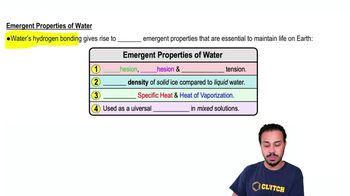
  • Emergent Properties of Water
    01:29

Properties of Water- Cohesion and Adhesion

  • Properties of Water- Cohesion and Adhesion Example 1
    01:46
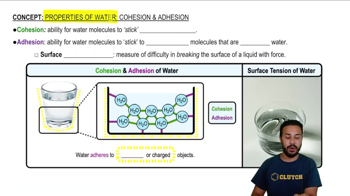
  • Properties of Water- Cohesion and Adhesion
    04:16

Properties of Water- Density

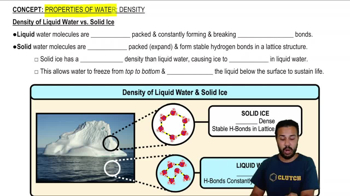
  • Density of Liquid Water vs. Solid Ice
    05:43
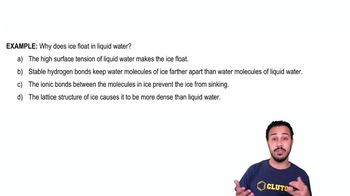
  • Properties of Water- Density Example 1
    02:13

Properties of Water- Thermal

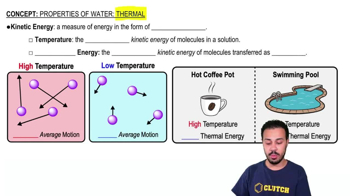
  • Properties of Water- Thermal
    04:07
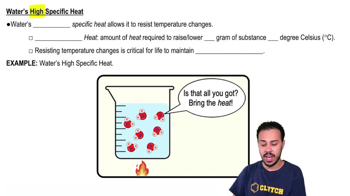
  • Water’s High Specific Heat
    03:25
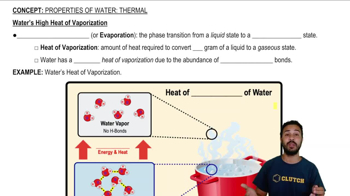
  • Water’s High Heat of Vaporization
    03:31

Properties of Water- The Universal Solvent

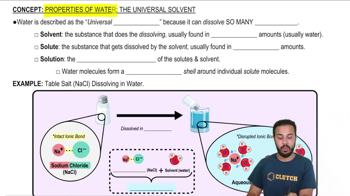
  • Properties of Water- The Universal Solvent
    06:20
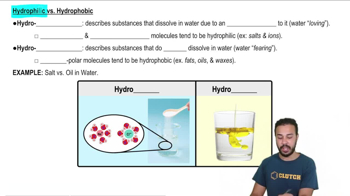
  • Hydrophilic vs. Hydrophobic
    03:43
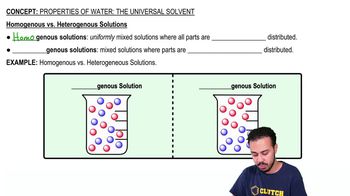
  • Homogenous vs. Heterogenous Solutions
    02:19

Functional Groups

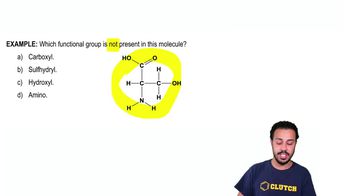
  • Functional Groups Example 1
    02:00
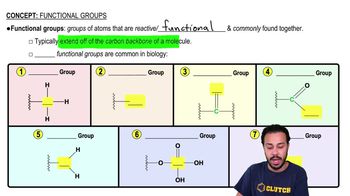
  • Functional Groups
    06:04

Introduction to Biomolecules

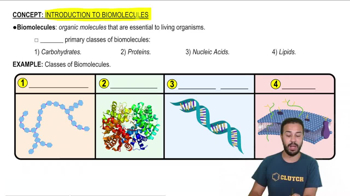
  • Introduction to Biomolecules
    01:17
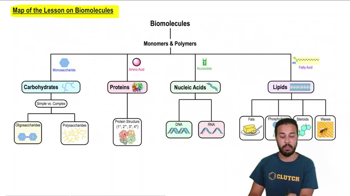
  • Map of the Lesson on Biomolecules
    01:29

Prokaryotic & Eukaryotic Cells

  • Recap: Prokaryotic vs. Eukaryotic Cells
    04:26
  • Prokaryotic & Eukaryotic Cells
    05:54
  • Features of Bacterial Cells
    03:54

Endosymbiotic Theory

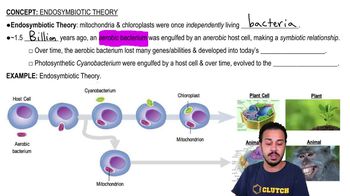
  • Endosymbiotic Theory
    06:58

Introduction to Eukaryotic Organelles

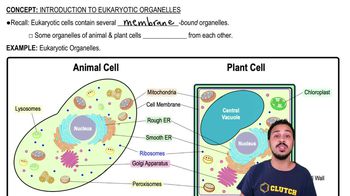
  • Introduction to Eukaryotic Organelles
    03:45
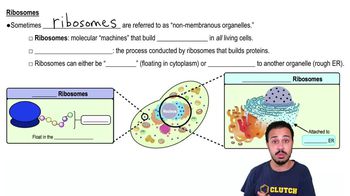
  • Ribosomes
    06:51
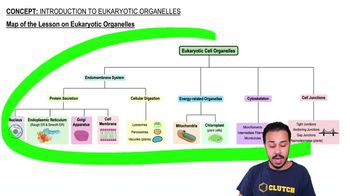
  • Map of the Lesson on Eukaryotic Organelles
    02:43
Biological Membranes

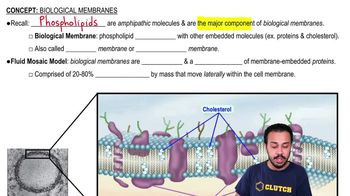
  • Biological Membranes Example 1
    02:21
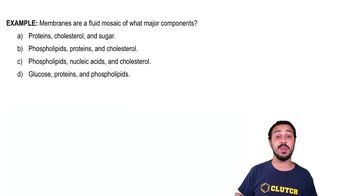
  • Biological Membranes
    06:04

Introduction to Membrane Transport

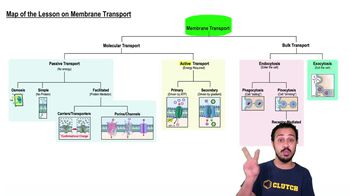
  • Map of the Lesson on Membrane Transport
    02:33
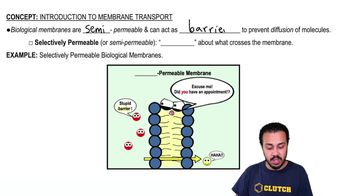
  • Introduction to Membrane Transport
    02:47
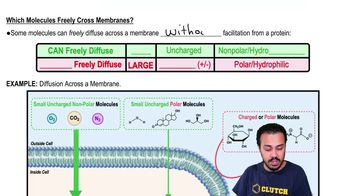
  • Which Molecules Freely Cross Membranes?
    07:10

Osmosis

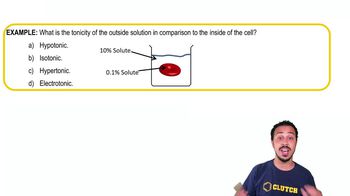
  • Osmosis Example 1
    02:18
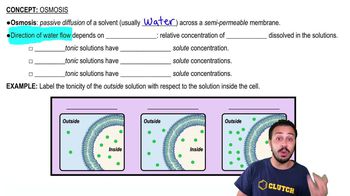
  • Osmosis
    05:59
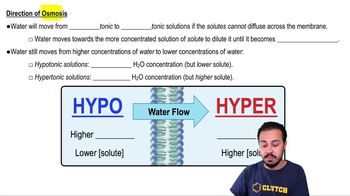
  • Direction of Osmosis
    06:48

Simple and Facilitated Diffusion

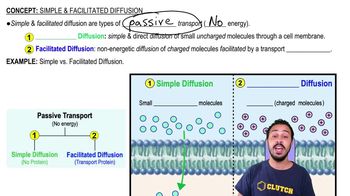
  • Simple and Facilitated Diffusion
    05:10
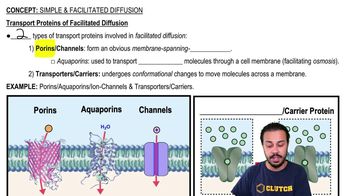
  • Transport Proteins of Facilitated Diffusion
    04:49

Active Transport

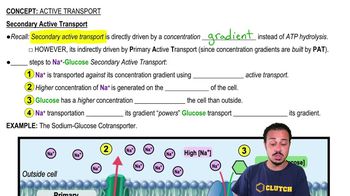
  • Secondary Active Transport
    07:06
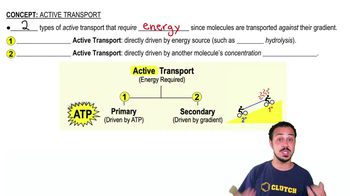
  • Active Transport
    02:37
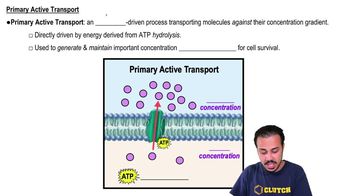
  • Primary Active Transport
    02:53

Endocytosis and Exocytosis

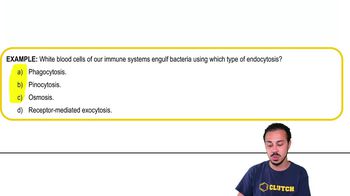
  • Endocytosis and Exocytosis Example 1
    01:52
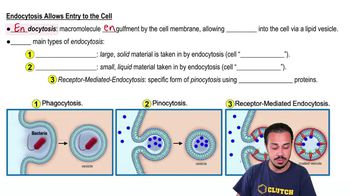
  • Endocytosis Allows Entry to the Cell
    04:18
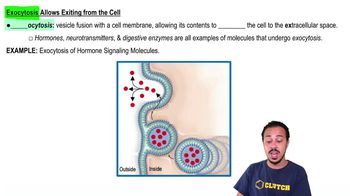
  • Exocytosis Allows Exiting from the Cell
    02:28

Introduction to Energy

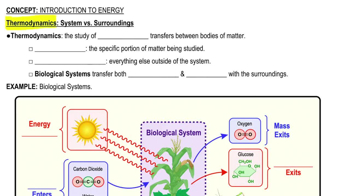
  • Thermodynamics: System vs. Surroundings
    04:21
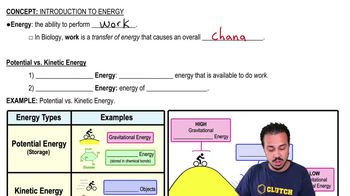
  • Introduction to Energy
    04:58

Laws of Thermodynamics

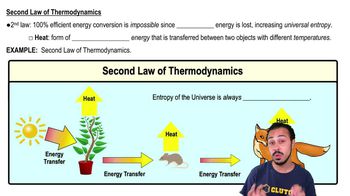
  • Second Law of Thermodynamics
    02:53
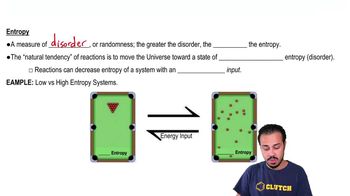
  • Entropy
    03:21
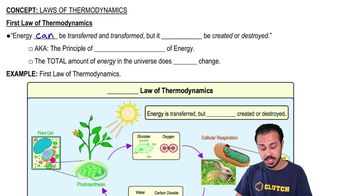
  • First Law of Thermodynamics
    04:43

Chemical Reactions

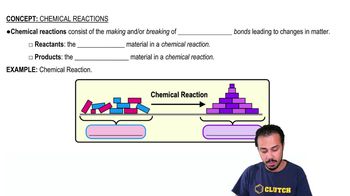
  • Chemical Reactions
    01:56
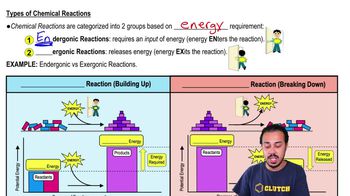
  • Types of Chemical Reactions
    05:48

ATP

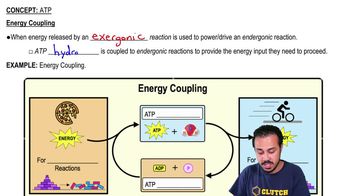
  • Energy Coupling
    04:57
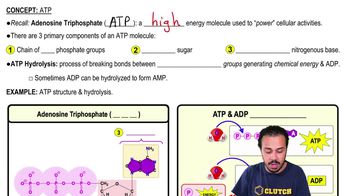
  • ATP
    06:43
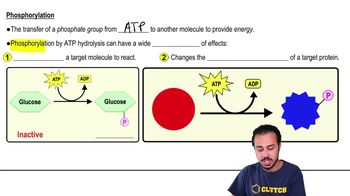
  • Phosphorylation
    03:

Enzymes

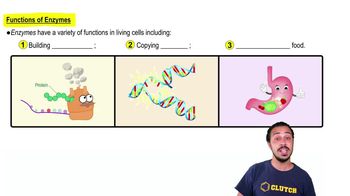
  • Functions of Enzymes
    02:32
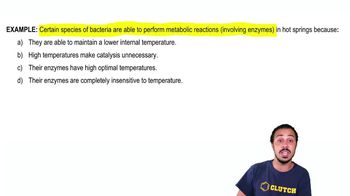
  • Enzymes Example 1
    02:25
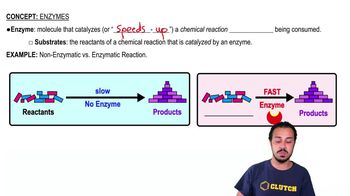
  • Enzymes
    02:55

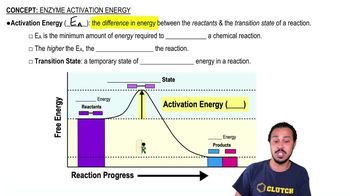
Enzyme Activation Energy

  • Enzyme Activation Energy
    04:18
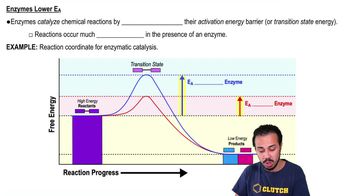
  • Enzymes Lower Activation Energy
    03:26

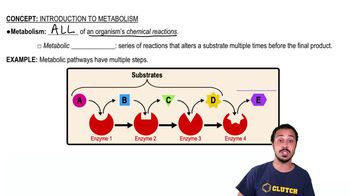
Introduction to Metabolism

  • Introduction to Metabolism
    02:17
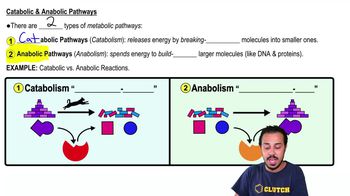
  • Catabolic & Anabolic Pathways
    03:25

Redox Reactions

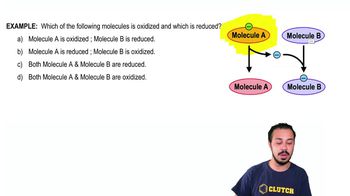
  • Redox Reactions Example 1
    01:44
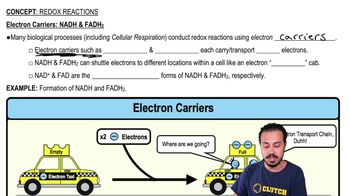
  • Electron Carriers: NADH & FADH2
    05:22
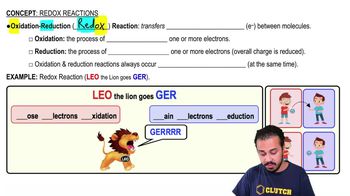
  • Redox Reactions
    04:47

Introduction to Aerobic Cellular Respiration

  • Introduction to Cellular Respiration Example 2
    01:53
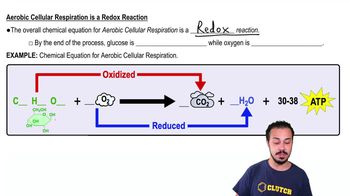
  • Aerobic Cellular Respiration is a Redox Reaction
    04:18
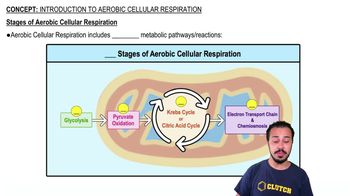
  • Stages of Aerobic Cellular Respiration
    02:31

Glycolysis

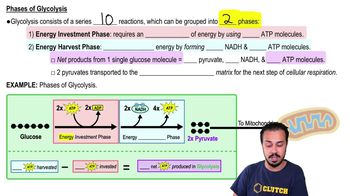
  • Phases of Glycolysis
    06:20
  • Glycolysis Example 1
    01:29
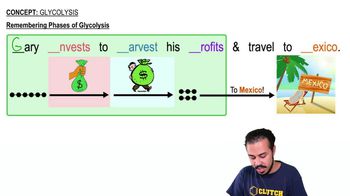
  • Remembering Phases of Glycolysis
    02:49

Krebs Cycle

  • Krebs Cycle Example 1
    01:20
  • Krebs Cycle
    01:37
  • Phases of The Krebs Cycle
    09:54

Electron Transport Chain

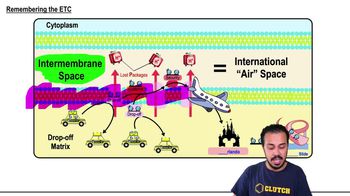
  • Remembering the ETC
    04:43
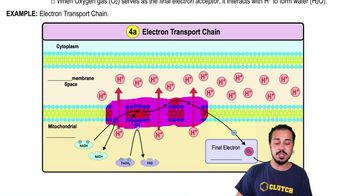
  • Electron Transport Chain
    07:41

Chemiosmosis

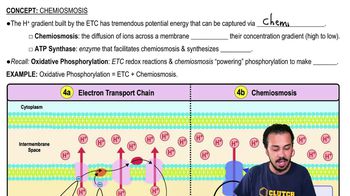
  • Chemiosmosis
    05:01

Fermentation & Anaerobic Respiration

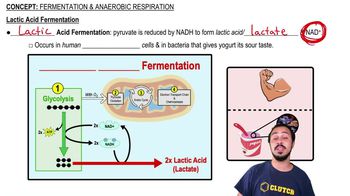
  • Lactic Acid Fermentation
    03:34
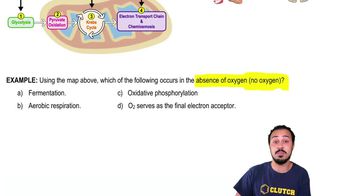
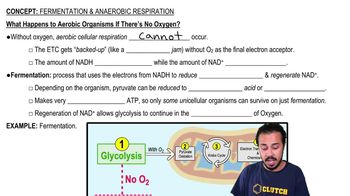
  • What Happens to Aerobic Organisms if There's No Oxygen?
    07:51
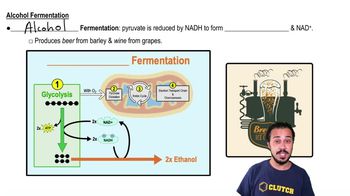
  • Alcohol Fermentation
    02:02

Introduction to Photosynthesis

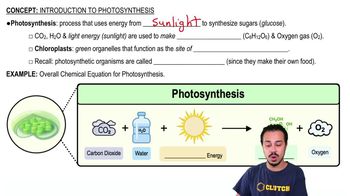
  • Introduction to Photosynthesis
    03:32
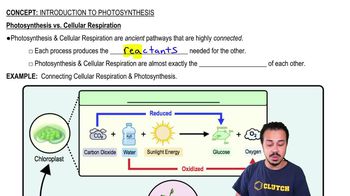
  • Photosynthesis vs. Cellular Respiration
    07:55
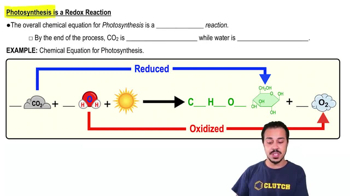
  • Photosynthesis is a Redox Reaction
    03:20

Pigments of Photosynthesis

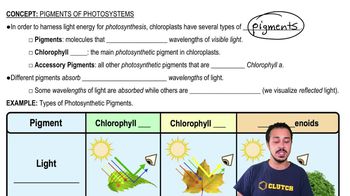
  • Pigments of Photosynthesis
    05:58
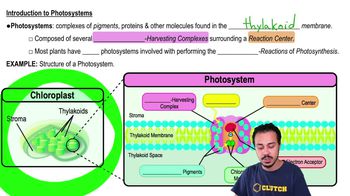
  • Introduction to Photosystems
    04:59
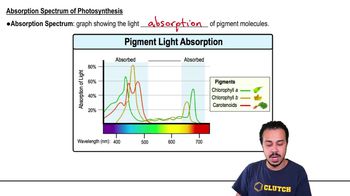
  • Absorption Spectrum of Photosynthesis
    02:52

Stages of Photosynthesis

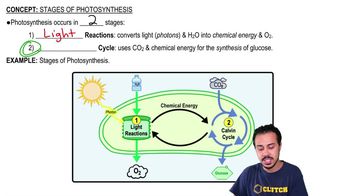
  • Stages of Photosynthesis
    03:16
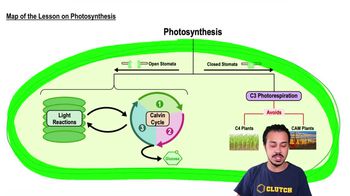
  • Map of the Lesson on Photosynthesis
    02:41

Light Reactions of Photosynthesis

  • Light Reactions of Photosynthesis Example 1
    01:48
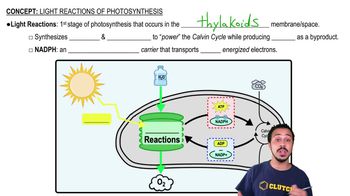
  • Light Reactions of Photosynthesis
    04:06
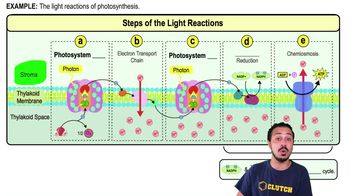
  • Steps of the Light Reactions
    15:15

Calvin Cycle

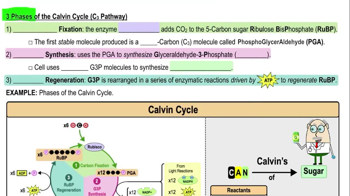
  • 3 Phases of the Calvin Cycle (C3 Pathway)
    10:58
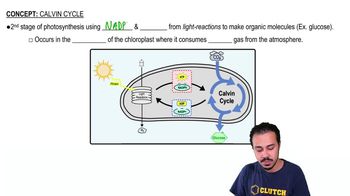
  • Calvin Cycle
    03:42

Organization of DNA in the Cell

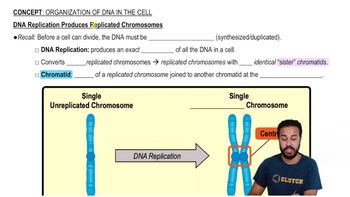
  • DNA Replication
    05:46
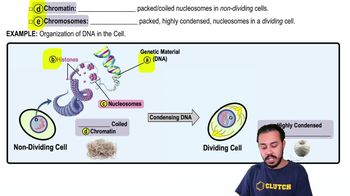
  • Organization of DNA in the Cell
    06:52

Introduction to Meiosis

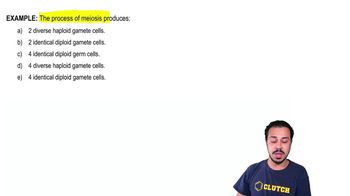
  • Introduction to Meiosis Example 1
    01:43
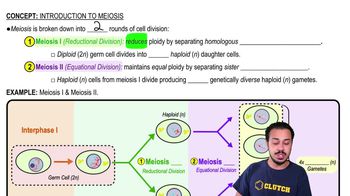
  • Meiosis I & Meiosis II
    04:49
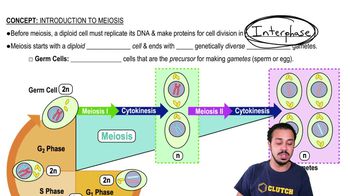
  • Introduction to Meiosis
    04:33

Meiosis I

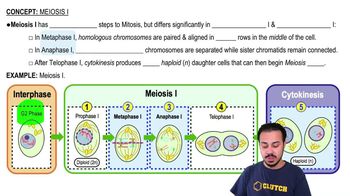
  • Meiosis I
    07:55

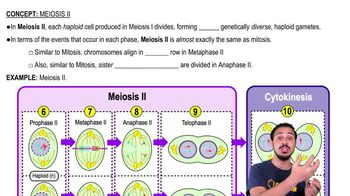
Meiosis II

  • Meiosis II
    06:17

Genes & Alleles

  • Genes & Alleles Example 1
    02:09
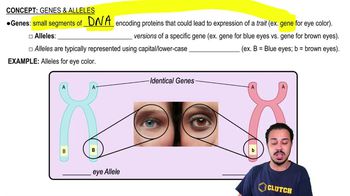
  • Genes & Alleles
    05:02
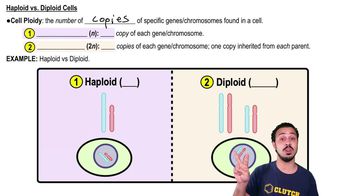
  • Haploid vs. Diploid Cells
    04:14

Introduction to DNA Replication

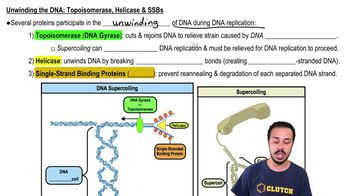
  • Unwinding the DNA: Topoisomerase, Helicase & SSBs
    05:10
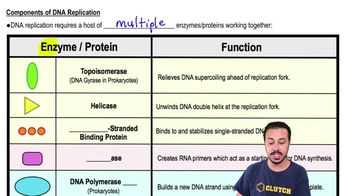
  • Components of DNA Replication
    04:47
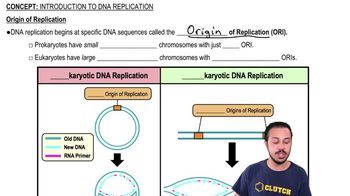
  • Origin of Replication
    03:33

Steps of DNA Replication

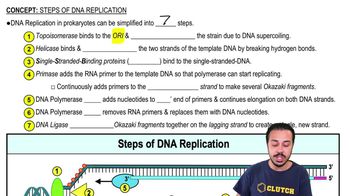
  • Steps of DNA Replication
    09:29

Central Dogma

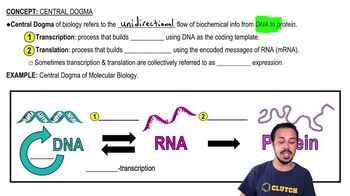
  • Central Dogma
    05:45

Introduction to Transcription

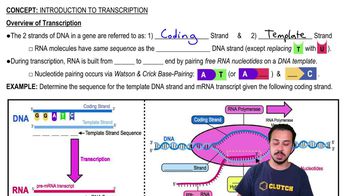
  • Overview of Transcription
    07:44
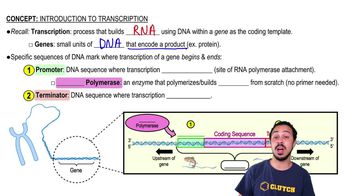
  • Introduction to Transcription
    05:51

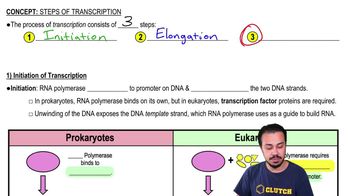
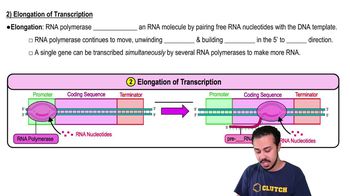
Steps of Transcription

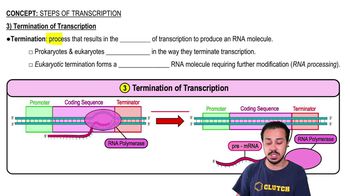
  • 3) Termination of Transcription
    02:44
  • 1) Initiation of Transcription
    04:16
  • 2) Elongation of Transcription
    04:01

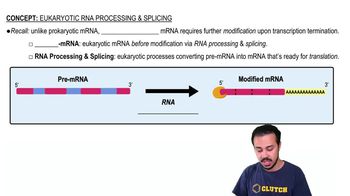
Eukaryotic RNA Processing and Splicing

  • Eukaryotic RNA Processing and Splicing
    02:32
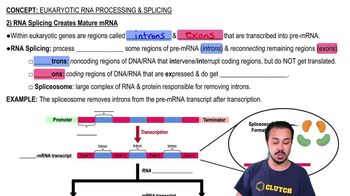
  • 2) RNA Splicing Creates Mature mRNA
    08:44
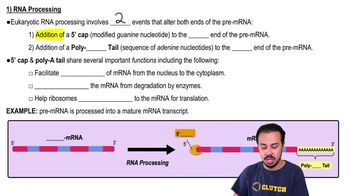
  • 1) RNA Processing
    04:19

Introduction to Types of RNA

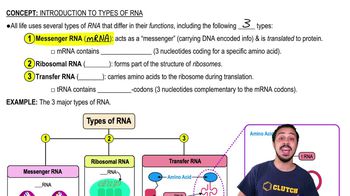
  • Introduction to Types of RNA
    07:20

Genetic Code

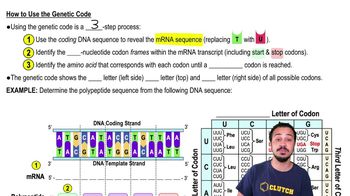
  • How to Use the Genetic Code
    11:39
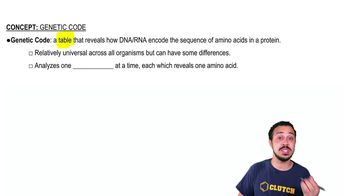
  • Genetic Code
    01:28

Introduction to Translation

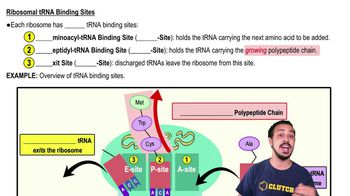
  • Ribosomal tRNA Binding Sites
    06:16
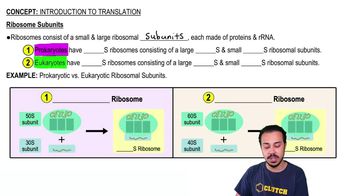
  • Ribosome Subunits
    08:42
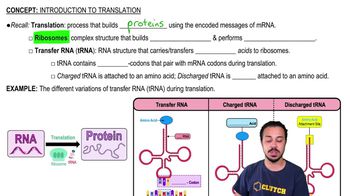
  • Introduction to Translation
    06:12

Steps of Translation

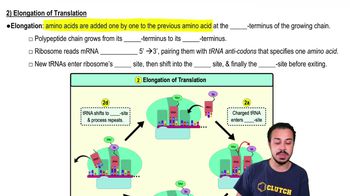
  • 2) Elongation of Translation
    04:59
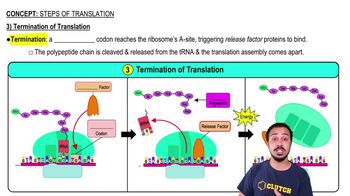
  • 3) Termination of Translation
    02:16
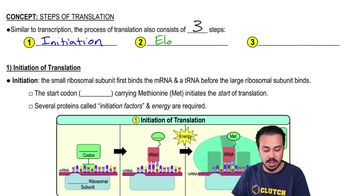
  • 1) Initiation of Translation
    05:03

Mutations

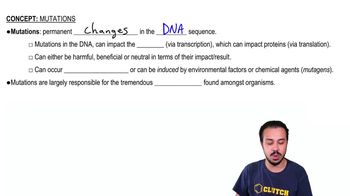
  • Mutations
    02:29
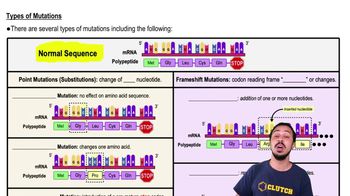
  • Types of Mutations
    08:44

Introduction to Regulation of Gene Expression

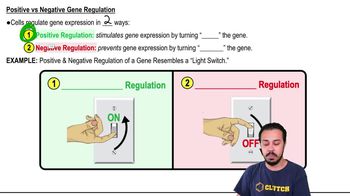
  • Positive vs Negative Gene Regulation
    02:17
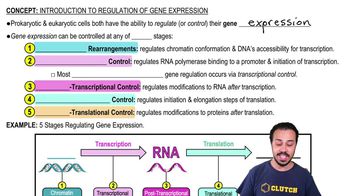
  • Introduction to Regulation of Gene Expression
    06:40

Prokaryotic Gene Regulation via Operons

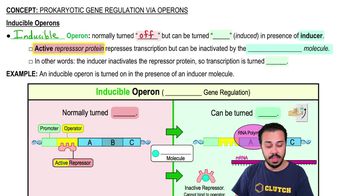
  • Inducible Operons
    04:25
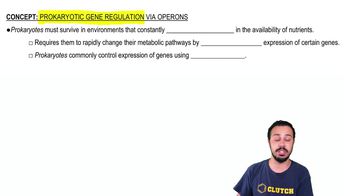
  • Prokaryotic Gene Regulation via Operons
    00:53
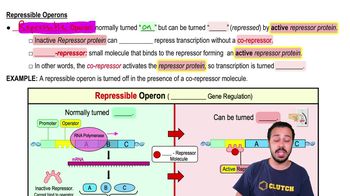
  • Repressible Operons
    03:42

The Lac Operon

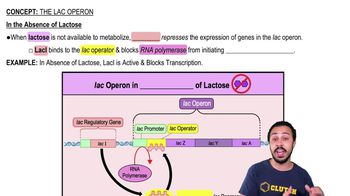
  • In the Absence of Lactose
    04:34
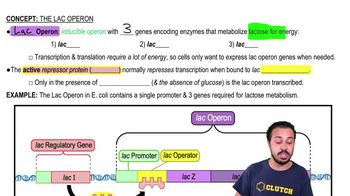
  • The Lac Operon
    07:06
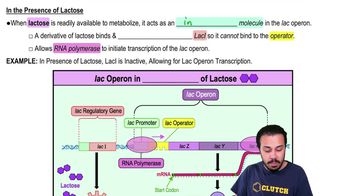
  • In the Presence of Lactose
    03:56

The Trp Operon

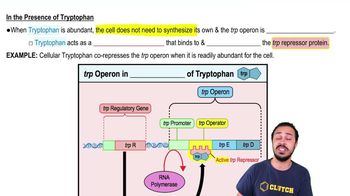
  • In the Presence of Tryptophan
    03:11
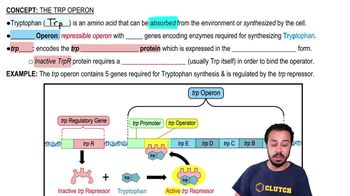
  • The Trp Operon
    05:30
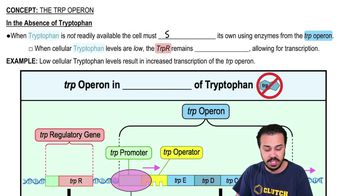
  • In the Absence of Tryptophan
    03:42

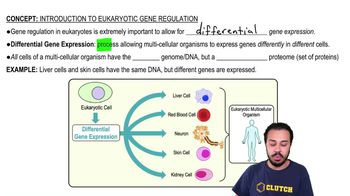
Introduction to Eukaryotic Gene Regulation

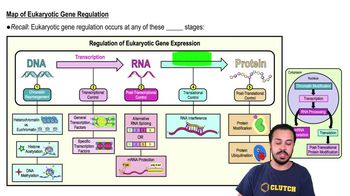
  • Map of Eukaryotic Gene Regulation
    04:22
  • Introduction to Eukaryotic Gene Regulation
    03:47

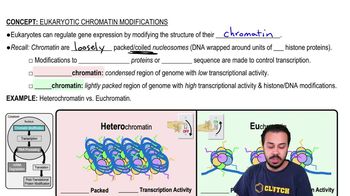
Eukaryotic Chromatin Modifications

  • Eukaryotic Chromatin Modifications
    03:55
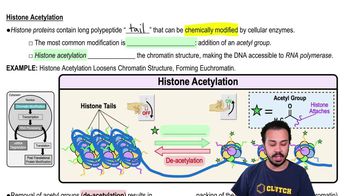
  • Histone Acetylation
    04:14
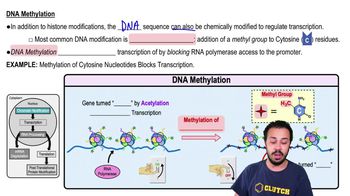
  • DNA Methylation
    03:39

Eukaryotic Transcriptional Control

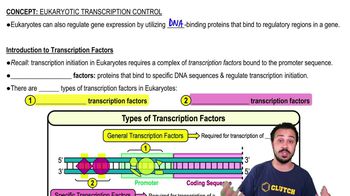
  • Introduction to Transcription Factors
    03:32
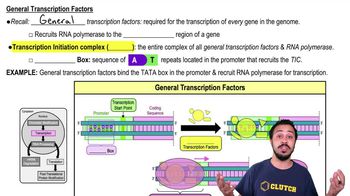
  • General Transcription Factors
    03:51
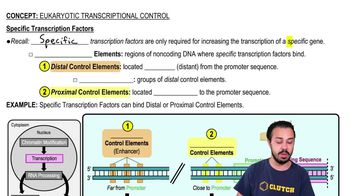
  • Specific Transcription Factors
    03:57

Eukaryotic Post-Transcriptional Regulation

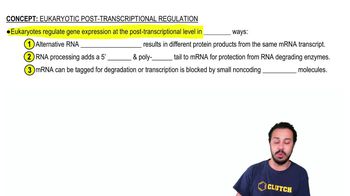
  • Eukaryotic Post-Transcriptional Regulation
    01:56
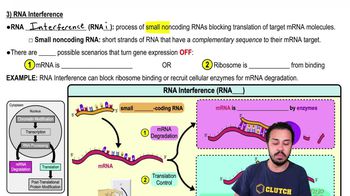
  • 3) RNA Interference
    04:16
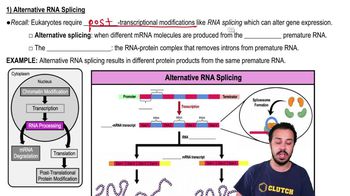
  • 1) Alternative RNA Splicing
    05:17

Eukaryotic Post-Translational Regulation

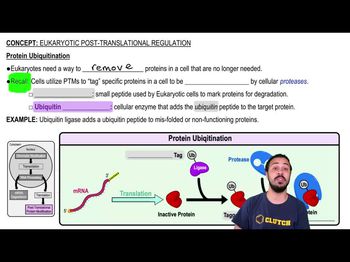
  • Protein Ubiquitination
    02:45
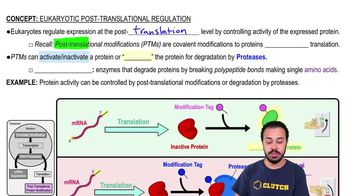
  • Eukaryotic Post-Translational Regulation
    03:55

Introduction to Cell Signaling

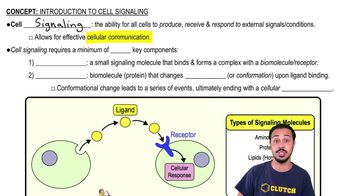
  • Introduction to Cell Signaling
    05:03
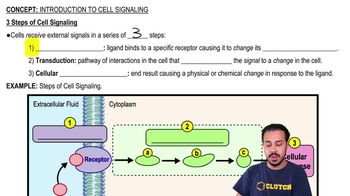
  • 3 Steps of Cell Signaling
    04:37

Types of Cell Signaling

  • Types of Cell Signaling
    01:01
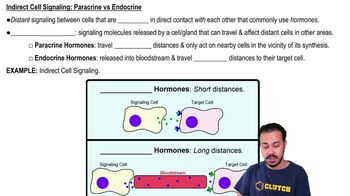
  • Indirect Cell Signaling: Paracrine vs Endocrine
    03:19
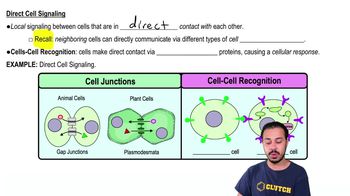
  • Direct Cell Signaling
    03:01

Classes of Signaling Receptors

  • Classes of Signaling Receptors
    00:52
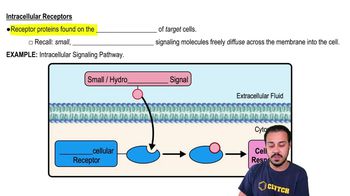
  • Intracellular Receptors
    02:28
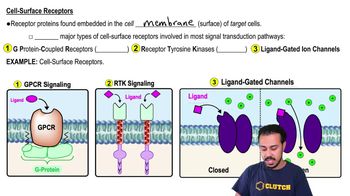
  • Cell-Surface Receptors
    03:16

Signal Amplification

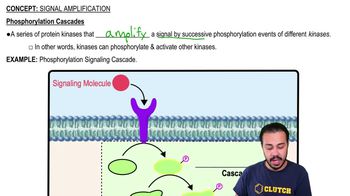
  • Phosphorylation Cascades
    02:35
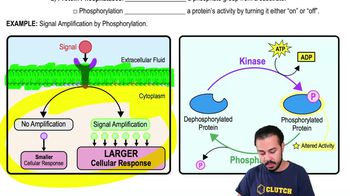
  • Signal Amplification
    06:10

Endocrine System

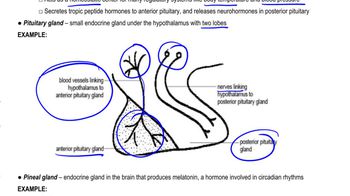
  • Hypothalamus and Pituitary
    03:34
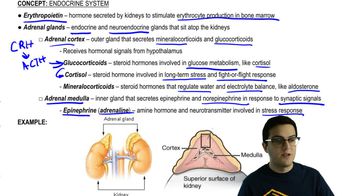
  • Adrenal Glands
    06:17
  • Ovaries and Testes
    02:59

Neurons and Action Potentials

  • Neurotransmitters
    12:47
  • Nervous System
    02:14
  • Postsynaptic Potentials and Summation
    05:33

Central and Peripheral Nervous System

  • Motor, Sensory, and Association Areas
    04:07
  • Cerebrum and Cerebral Cortex
    11:10
  • Peripheral Nervous System
    06:26

Sensory System

  • Inner Ear
    06:11
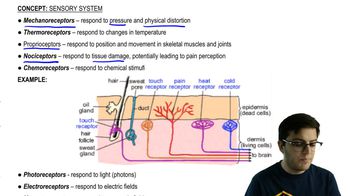
  • Sensory Receptors
    02:54
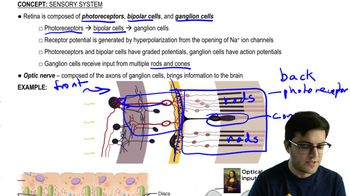
  • The Retina
    06:45