Back

Comprehensive Study Guide: Cell Division, Genetics, DNA, Evolution, and Biotechnology

Study Guide - Learn with Videos

Curated lessons matched to your uploaded material – learn every topic step by step.

Introduction to Cell Division

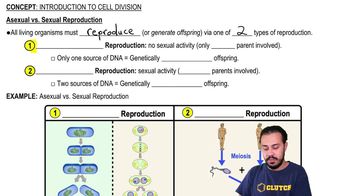
  • Asexual vs. Sexual Reproduction
    04:45
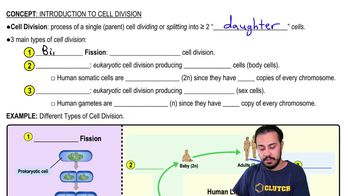
  • Introduction to Cell Division
    09:40
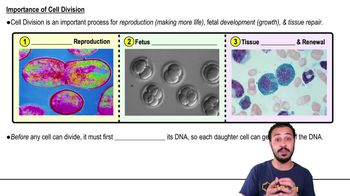
  • Importance of Cell Division
    03:19

Introduction to the Cell Cycle

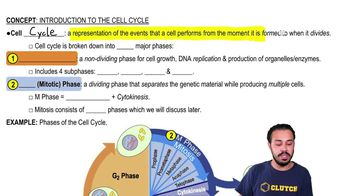
  • Introduction to the Cell Cycle
    04:46

Interphase

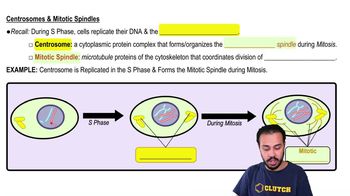
  • Centrosomes & Mitotic Spindles
    04:02
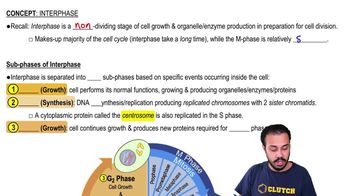
  • Interphase
    08:05
Phases of Mitosis

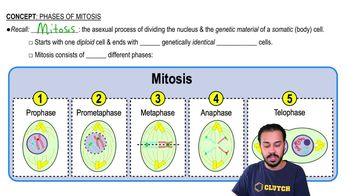
  • Phases of Mitosis
    03:21
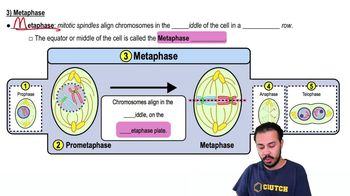
  • Metaphase
    01:58
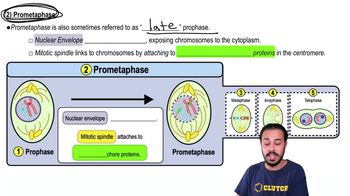
  • Prometaphase
    03:20

Genes & Alleles

  • Genes & Alleles Example 1
    02:09
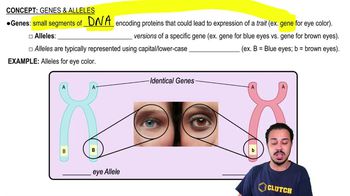
  • Genes & Alleles
    05:02
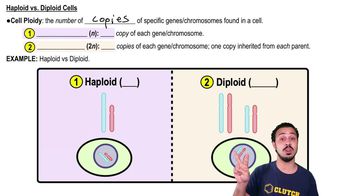
  • Haploid vs. Diploid Cells
    04:14

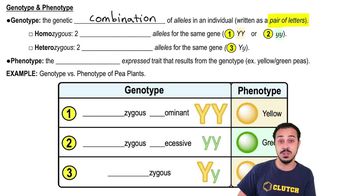
Genotype vs. Phenotype

  • Genotype & Phenotype
    06:36
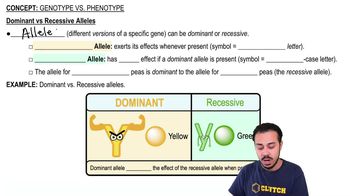
  • Dominant vs. Recessive Alleles
    03:39

Punnett Squares

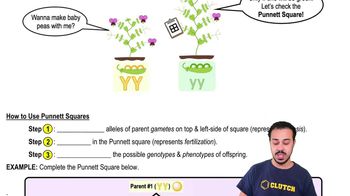
  • How to Use Punnett Squares
    07:05
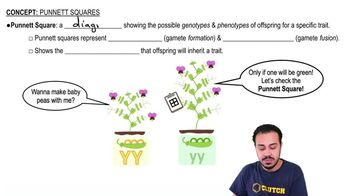
  • Punnett Squares
    01:37

Incomplete Dominance vs. Codominance

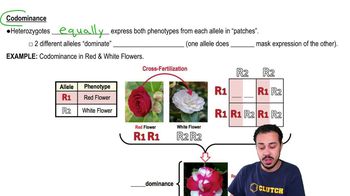
  • Codominance
    02:59
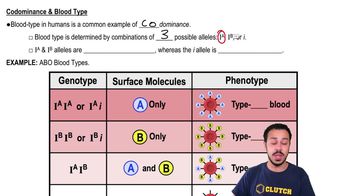
  • Codominance & Blood Type
    05:15
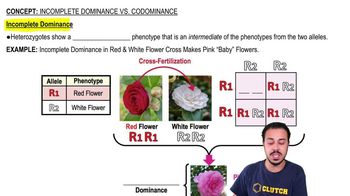
  • Incomplete Dominance
    03:09

Sex-Linked Inheritance

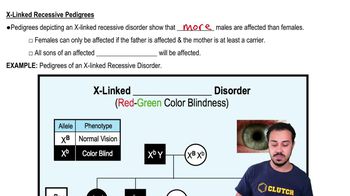
  • X-Linked Recessive Pedigrees
    03:42
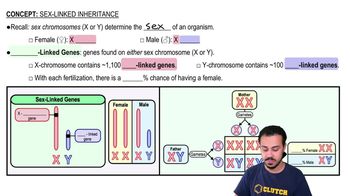
  • Sex-Linked Inheritance
    04:17
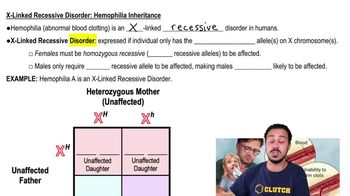
  • X-Linked Recessive Disorder: Hemophilia Inheritance
    04:37

X-Inactivation

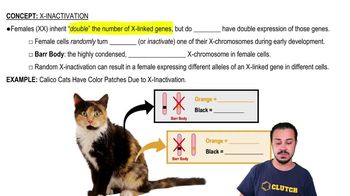
  • X-Inactivation
    05:33

Introduction to DNA Replication

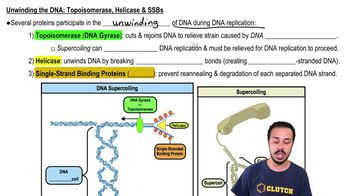
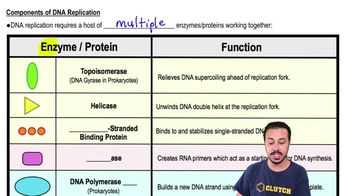
  • Unwinding the DNA: Topoisomerase, Helicase & SSBs
    05:10
  • Components of DNA Replication
    04:47
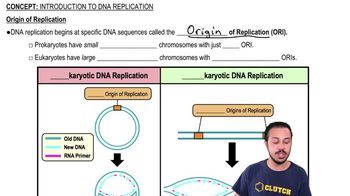
  • Origin of Replication
    03:33

Introduction to DNA-Based Technology

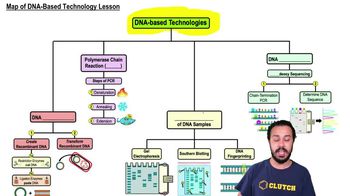
  • Map of DNA-Based Technology Lesson
    03:12
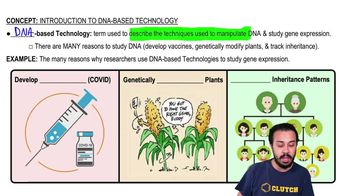
  • Introduction to DNA-Based Technology
    02:30

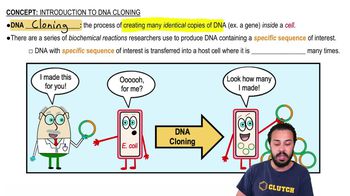
Introduction to DNA Cloning

  • Introduction to DNA Cloning
    02:25
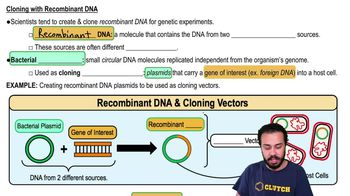
  • Cloning with Recombinant DNA
    03:41

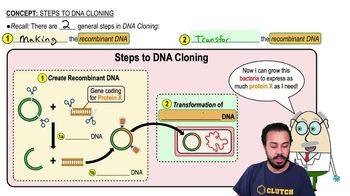
Steps to DNA Cloning

  • Steps to DNA Cloning
    04:42
  • 1b) Use Ligation Enzymes
    04:58
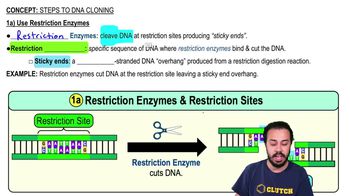
  • 1a) Use Restriction Enzymes
    03:27

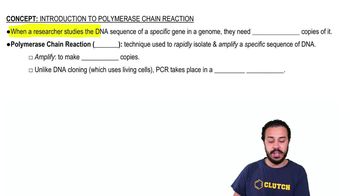
Introduction to Polymerase Chain Reaction

  • Introduction to Polymerase Chain Reaction
    01:31
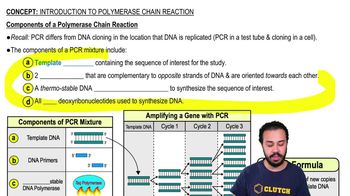
  • Components of a Polymerase Chain Reaction
    05:57
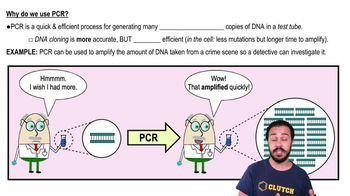
  • Why do we use PCR?
    02:53

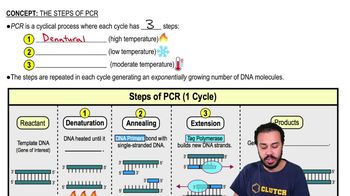
The Steps of PCR

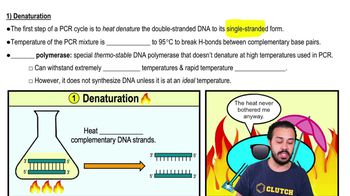
  • 1) Denaturation
    03:33
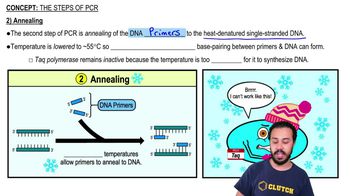
  • 2) Annealing
    02:56
  • The Steps of PCR
    04:39

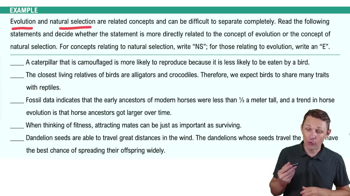
Introduction to Evolution and Natural Selection

  • Introduction to Evolution and Natual Selection Example 1
    03:22
  • Introduction to Evolution and Natual Selection Example 2
    04:28
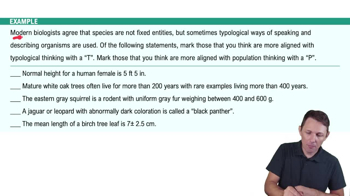
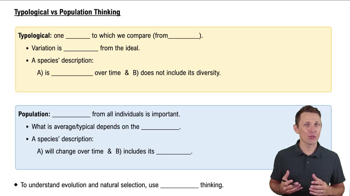
  • Typological vs. Population Thinking
    03:56

Natural Selection

  • Natural Selection Example 2
    05:11
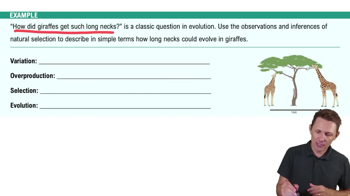
  • Natural Selection: Observations and Inferences
    04:12
  • Natural Selection Example 1
    02:19

Evolution of Populations

  • Evolution of Populations Example 1
    03:33
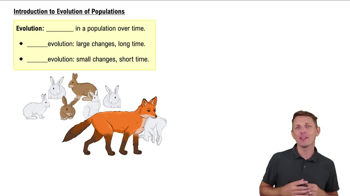
  • Introduction to Evolution of Populations
    05:14

Genetic Variation

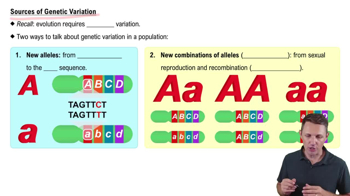
  • Sources of Genetic Variation
    02:16
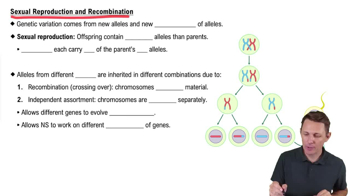
  • Sexual Reproduction and Recombination
    05:08
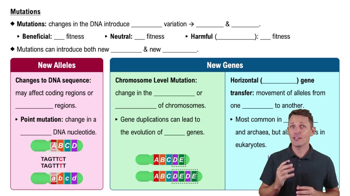
  • Mutations
    06:42

Genetics and Allele Frequencies

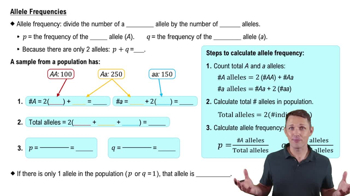
  • Allele Frequencies
    06:36
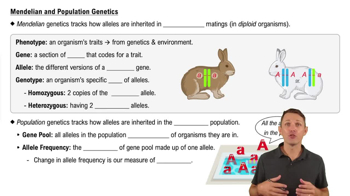
  • Mendelian and Population Genetics
    04:26
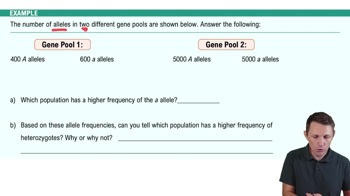
  • Genetics and Allele Frequencies Example 1
    02:56

The Hardy-Weinberg Principle

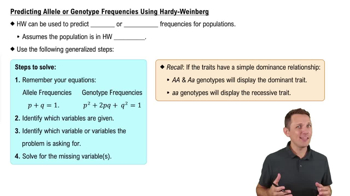
  • Predicting Allele or Genotype Frequencies Using Hardy-Weinberg
    03:31
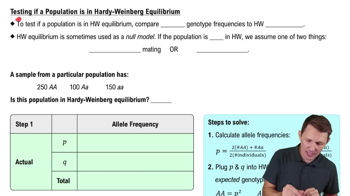
  • Testing if a Population is in Hardy-Weinberg Equilibrium
    08:26
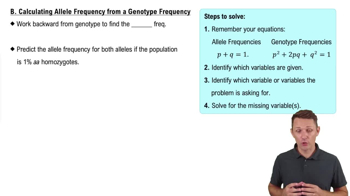
  • B. Calculating Allele Frequency from a Genotype Frequency
    03:20

Natural Selection

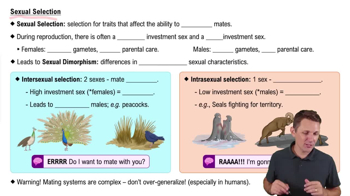
  • Sexual Selection
    06:17
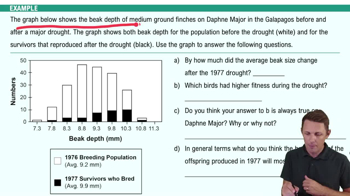
  • Natural Selection
    04:43
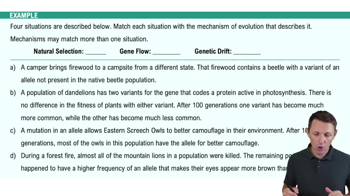
  • Natural Selection Example 3
    04:18

Genetic Drift

  • Genetic Drift Example 1
    02:00
  • Genetic Drift Example 2
    02:37
  • Genetic Drift
    05:06

Gene Flow

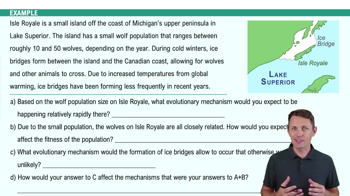
  • Gene Flow Example 1
    04:34
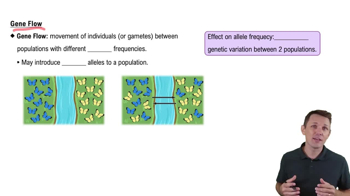
  • Gene Flow
    01:43

Introduction to Speciation

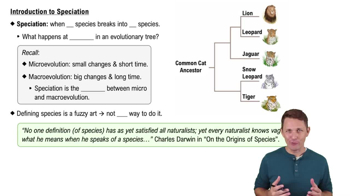
  • Introduction to Speciation
    03:03

The Biological Species Concept

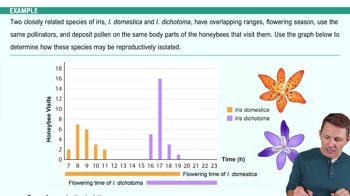
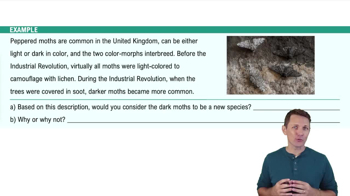
  • The Biological Species Concept Example 3
    02:15
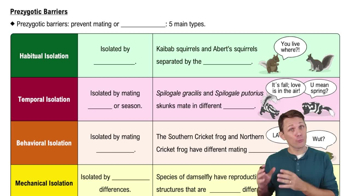
  • Prezygotic Barriers
    05:18
  • The Biological Species Concept Example 1
    01:27

Building Phylogenetic Trees

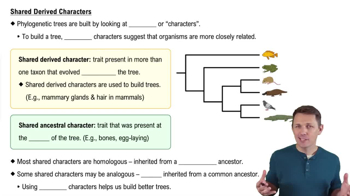
  • Shared Derived Characters
    05:42
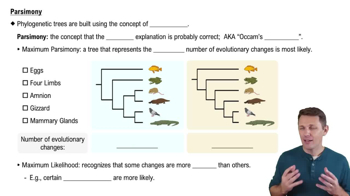
  • Parsimony
    06:46
  • Building Phylogenetic Trees Example 1
    04:35

Cancer

  • Types of Genes Regulating Cell Growth
    04:02
  • Cancer
    03:22