 Back
BackUnit 1-4 Study Guide
Study Guide - Smart Notes
 Tailored notes based on your materials, expanded with key definitions, examples, and context.
Biology: The Study of Scientific Life
Biology and Its Subfields
Biology is the scientific study of life, encompassing the structure, function, reproduction, evolution, and interactions of living organisms. Major subfields include:
Cell Biology: Study of cell structure and function
Genetics: Study of heredity and gene function
Evolution: Study of changes in organisms over generations
Ecology: Study of organisms' interactions with each other and their environment
Anatomy/Physiology: Study of organism structure and function
Microbiology: Study of microscopic organisms
Molecular Biology: Study of biological molecules and processes
Biotechnology: Application of biological knowledge for technological advances
Characteristics of Life
Organization: Living things are highly organized, from molecules to cells to organisms.
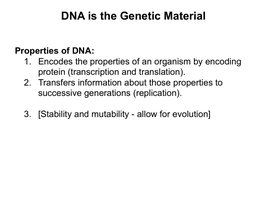
Cells and DNA: All life is cellular and uses DNA as genetic material.
Metabolism/Energy Use: Life requires energy for growth, maintenance, and reproduction.
Regulation/Homeostasis: Organisms maintain stable internal conditions.
Response to Environment: Organisms sense and respond to stimuli.
Growth and Development: Organisms grow and develop according to genetic instructions.
Reproduction: Life reproduces, passing genetic information to offspring.
Evolutionary Adaptation: Populations change over generations, adapting to environments.
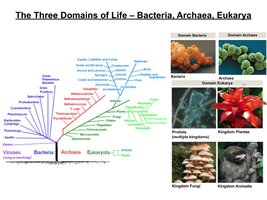
The Three Domains of Life
All life is classified into three domains based on cellular structure and genetics:
Bacteria: Prokaryotic, no nucleus, diverse environments
Archaea: Prokaryotic, distinct biochemistry, often extremophiles
Eukarya: Eukaryotic, nucleus and organelles; includes animals, plants, fungi, protists
Levels of Biological Organization
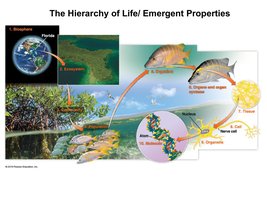
Biology is organized hierarchically from smallest to largest:
Molecules → Organelles → Cells → Tissues → Organs → Organ Systems → Organisms → Populations → Communities → Ecosystems → Biosphere
Emergent properties arise at each level due to interactions among components.
Five Themes of Biology
Evolution: Explains unity and diversity of life
Information Flow: DNA → RNA → Protein (central dogma)
Structure/Function: Biological structures are adapted to their functions
Transformation of Matter and Energy: Life requires energy and matter cycling
Systems Interactions: Components interact at all levels
The Chemical Basis of Life
Atoms, Elements, and Bonds
Element: Pure substance of one kind of atom (e.g., C, O, Na)
Atom: Smallest unit of an element
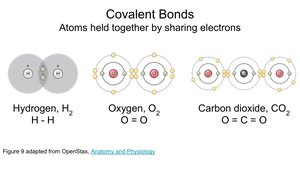
Covalent Bonds: Atoms share electrons (e.g., H2, O2, CO2)
Ionic Bonds: Electron transfer creates charged ions (e.g., NaCl)
Water and Its Properties
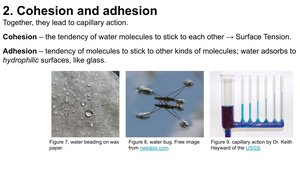
Cohesion: Water molecules stick to each other (surface tension)
Adhesion: Water molecules stick to other substances
Hydrogen Bonding: Responsible for water's unique properties
pH and Buffers
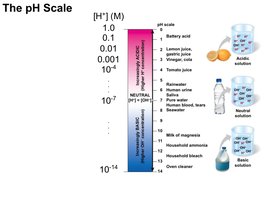
pH: Measures hydrogen ion concentration; scale from 0 (acidic) to 14 (basic)
Buffers: Substances that resist pH changes
The Molecules of Cells
Macromolecules and Their Building Blocks
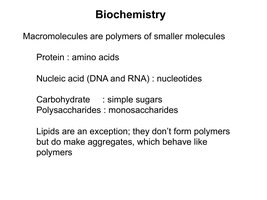
Proteins: Polymers of amino acids
Nucleic Acids: Polymers of nucleotides (DNA, RNA)
Carbohydrates: Simple sugars and polysaccharides
Lipids: Not true polymers, but form aggregates (e.g., fats, phospholipids)
A Tour of the Cell
Prokaryotic vs Eukaryotic Cells
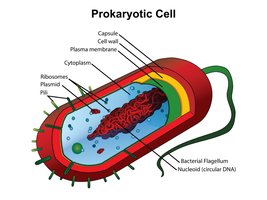
Prokaryotic Cells: No nucleus, simple structure (Bacteria, Archaea)
Eukaryotic Cells: Nucleus, membrane-bound organelles (Eukarya)
The Working Cell
Membrane Structure and Transport
Fluid Mosaic Model: Phospholipid bilayer with embedded proteins
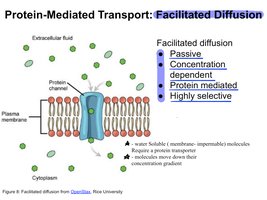
Facilitated Diffusion: Passive transport via protein channels for specific molecules
How Cells Harvest Chemical Energy
Cellular Respiration and Redox Reactions
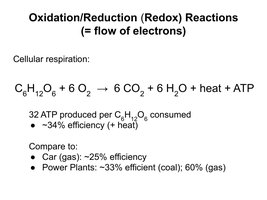
Cellular respiration is the process by which cells extract energy from glucose:
Overall equation:
Redox reactions transfer electrons, releasing energy for ATP synthesis
Efficiency of cellular respiration is about 34%
Photosynthesis: Using Light to Make Food
Leaf and Chloroplast Structure
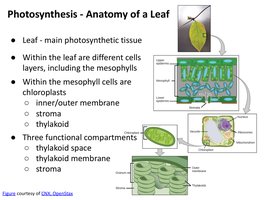
Leaf: Main photosynthetic tissue
Chloroplast: Contains inner/outer membranes, stroma, thylakoids
Three compartments: thylakoid space, thylakoid membrane, stroma
The Cellular Basis of Reproduction and Inheritance
Cell Division: Mitosis and Meiosis
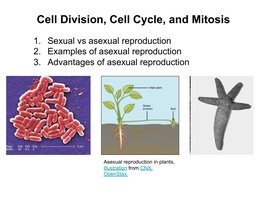
Cell Division: Enables growth, repair, and reproduction
Mitosis: Produces genetically identical cells for growth/repair
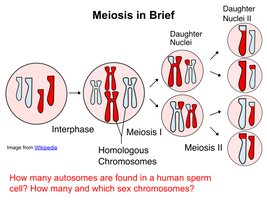
Meiosis: Produces haploid gametes, increases genetic diversity
Patterns of Inheritance
Mendelian Genetics and Punnett Squares
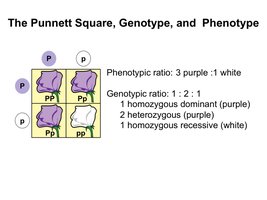
Genotype: Genetic makeup (allele combinations)
Phenotype: Observable traits
Punnett Square: Predicts offspring genotype and phenotype ratios
Molecular Biology of the Gene
Central Dogma and DNA as Genetic Material
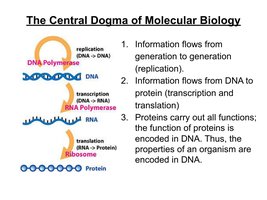
Central Dogma: Information flows from DNA → RNA → Protein
Replication: DNA is copied for cell division
Transcription: DNA is transcribed to RNA
Translation: RNA is translated to protein
The Genetic Code
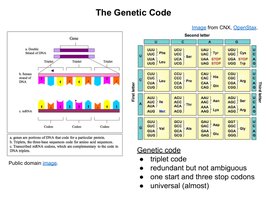
Triplet Code: Three-base codons specify amino acids
Redundant: Multiple codons for most amino acids
Universal: Nearly all organisms use the same code
Start/Stop Codons: Define where translation begins and ends
Population Ecology
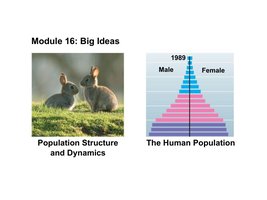
Population Structure and Dynamics
Population Structure: Age and sex distribution affects growth
Population Growth: Exponential (J-shaped) or logistic (S-shaped)
Carrying Capacity (K): Maximum sustainable population size
Summary Table: Key Biological Concepts
Topic | Key Concept | Example/Application |
|---|---|---|
Central Dogma | DNA → RNA → Protein | Gene expression |
Cellular Respiration | Glucose + O2 → CO2 + H2O + ATP | Energy for cells |
Photosynthesis | CO2 + H2O + light → Glucose + O2 | Plant energy capture |
Mitosis | 2 identical cells | Growth, repair |
Meiosis | 4 haploid cells | Gamete formation |
Punnett Square | Predicts inheritance | Genotype/phenotype ratios |
Genetic Code | Triplet codons | Protein synthesis |
Population Ecology | Growth models, structure | Human population trends |
