 Back
BackComprehensive Study Notes: Foundations of Biology – Science, Biomolecules, Respiration, Photosynthesis, and Cell Biology
Study Guide - Smart Notes
 Tailored notes based on your materials, expanded with key definitions, examples, and context.
Section A: Science and Life
The Science of Biology
Biology is the scientific study of life, focusing on the structure, function, interaction, and evolution of living organisms. Biologists investigate what organisms are made of, how they function, and how they interact with their environment.
Seven Basic Characteristics of Life:
Organisation: All living things are composed of cells, the basic unit of life. Organisms may be unicellular or multicellular.
Energy Processing: Organisms require energy, obtained from sunlight (plants) or food (animals), to power metabolism.
Regulation: Homeostasis maintains a stable internal environment.
Growth and Development: Organisms grow and develop through cell division and differentiation.
Response to Environment: Living things respond to stimuli to enhance survival.
Reproduction: Organisms reproduce sexually or asexually, producing offspring.
Evolutionary Adaptation: Populations evolve over time, leading to adaptations that enhance survival and reproduction.
Levels of Biological Organisation
Life is organised hierarchically, from smallest to largest:
Atoms → Molecules → Organelles → Cells → Tissues → Organs/Organ Systems → Organisms → Populations → Communities → Ecosystems → Biosphere
Diversity of Life, Classification, and Taxonomy
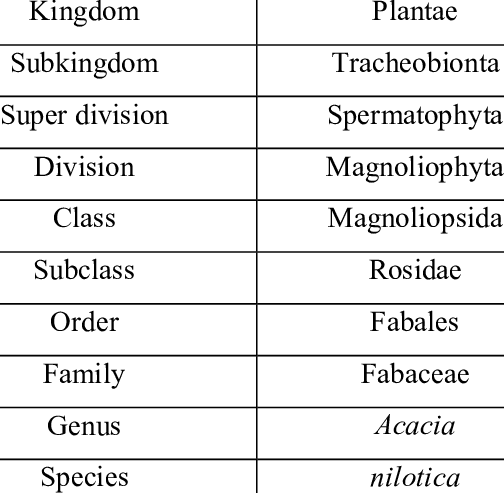
Classification helps organise the diversity of life, understand evolutionary relationships, and facilitate communication. The hierarchical system (Domain → Kingdom → Phylum → Class → Order → Family → Genus → Species) was developed by Linnaeus. Each species is given a binomial name (Genus species), e.g., Canis familiaris for the domestic dog.
Kingdom | Plantae |
|---|---|
Subkingdom | Tracheobionta |
Super division | Spermatophyta |
Division | Magnoliophyta |
Class | Magnoliopsida |
Subclass | Rosidae |
Order | Fabales |
Family | Fabaceae |
Genus | Acacia |
Species | nilotica |
The Scientific Method
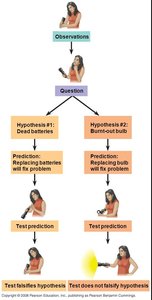
The scientific method is a logical framework for investigating natural phenomena. It involves:
Making observations
Asking questions and formulating hypotheses
Predicting results
Experimental tests
Discussing results and drawing conclusions
Controlled Experiments: Use control and experimental groups to test hypotheses, manipulating only one independent variable at a time.
Variables: Independent (manipulated), dependent (measured), and controlled (kept constant).
Replication: Repeating experiments to ensure reliability.
Correlation vs. Causation: Correlation does not imply causation; statistical analysis is used to determine relationships.
Section B: Biomolecules
Life’s Chemical Basis
All organisms are composed of matter, made up of elements and atoms. Essential elements are required for life, while trace elements are needed in small amounts. Atoms consist of protons, neutrons, and electrons.
Molecules: Two or more atoms joined by chemical bonds.
Compounds: Substances with atoms of two or more different elements.
Chemical Bonds: Ionic (transfer of electrons), covalent (sharing electrons), hydrogen bonds (weak attractions between molecules), and van der Waals interactions (weak, transient attractions).
Water – Supporting Life
Water’s polarity and hydrogen bonding give it unique properties essential for life:
Cohesion: Water molecules stick together, creating surface tension.
Adhesion: Water molecules stick to other substances.
Temperature Moderation: High specific heat allows water to buffer temperature changes.
Ice Insulation: Ice floats, insulating aquatic life in winter.
Universal Solvent: Water dissolves many substances, facilitating biochemical reactions.
Acids, Bases, and Buffers
Acids: Substances that increase H+ concentration (pH < 7).
Bases: Substances that decrease H+ concentration (pH > 7).
Buffers: Substances that minimize pH changes by accepting or donating H+.
Carbon and Organic Molecules
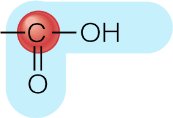
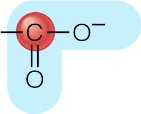
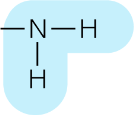
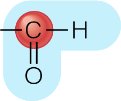
Carbon forms the backbone of organic molecules, allowing for complex structures (chains, rings, branches). Isomers have the same molecular formula but different structures. Functional groups (e.g., carboxyl, amino, methyl, phosphate) confer specific chemical properties.
| |||
| |||
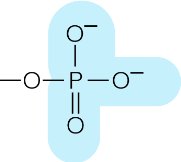
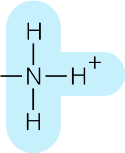
Name | Function | Structure (Non-ionised) | Structure (Ionised) |
|---|---|---|---|
Carboxyl group | Acts as an acid |
|
|
Amino group | Acts as a base |
| |
Phosphate group | Energy transfer | ||
Aldehyde | Carbonyl group at end of carbon skeleton |
|
Macromolecules
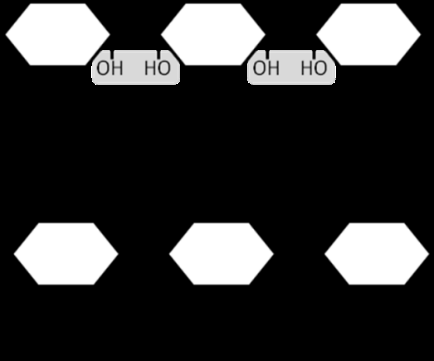
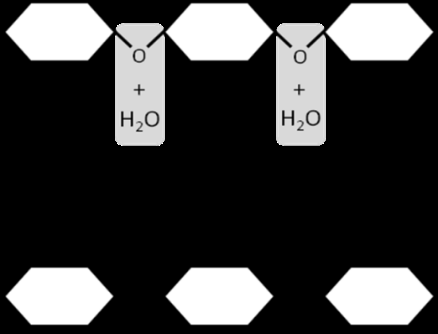
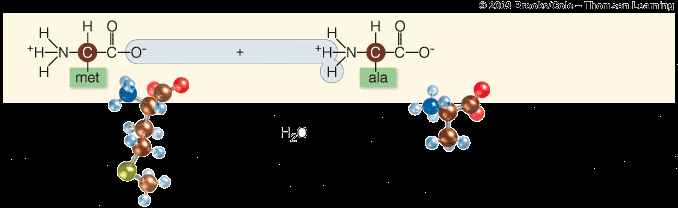
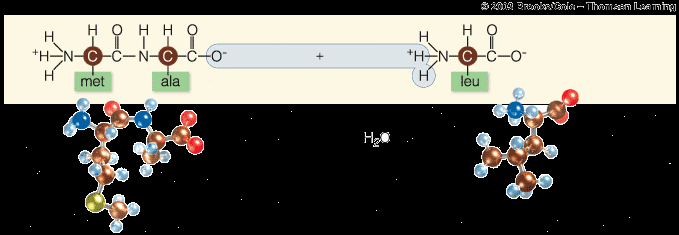
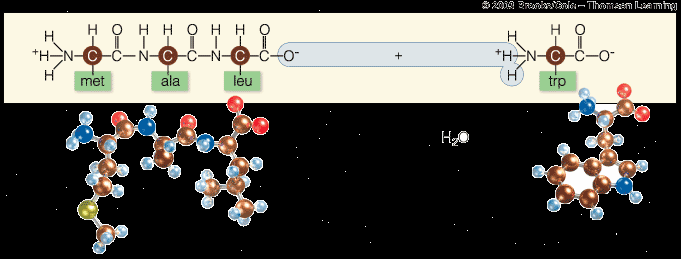
Macromolecules are polymers built from monomers via condensation (dehydration) reactions and broken down by hydrolysis.
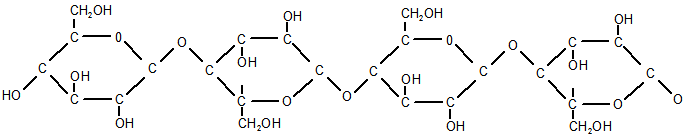
Carbohydrates: Sugars and polymers of sugars (monosaccharides, disaccharides, polysaccharides). Functions include energy storage (starch, glycogen) and structure (cellulose, chitin).
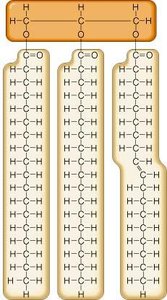
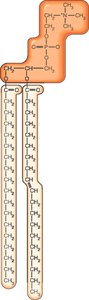
Lipids: Hydrophobic molecules including fats (triglycerides), phospholipids, waxes, and sterols. Saturated fats have no double bonds; unsaturated fats have one or more double bonds.
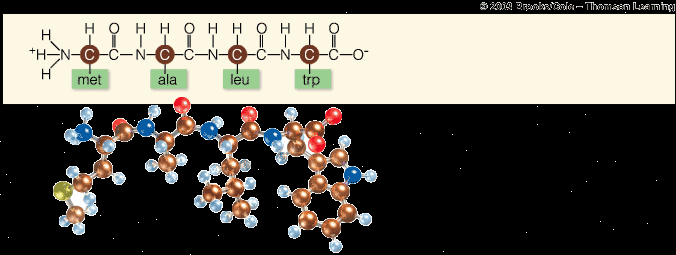
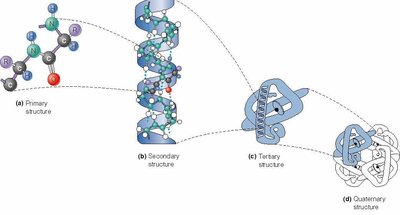
Proteins: Polymers of amino acids joined by peptide bonds. Four levels of structure: primary, secondary, tertiary, quaternary. Functions include catalysis (enzymes), transport, structure, and signaling.
Nucleic Acids: DNA and RNA, polymers of nucleotides, store and transmit genetic information.
Basic Principles of Metabolism
Metabolism includes all chemical reactions in an organism, organised into metabolic pathways. Pathways can be:
Anabolic: Build complex molecules from simpler ones (require energy).
Catabolic: Break down complex molecules into simpler ones (release energy).
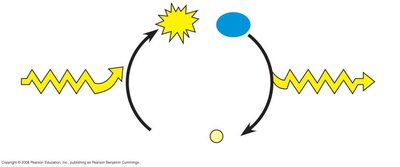
ATP (adenosine triphosphate) is the main energy currency, coupling exergonic and endergonic reactions. Enzymes catalyse biochemical reactions, lowering activation energy and increasing reaction rates. Enzyme activity is regulated by factors such as temperature, pH, cofactors, and inhibitors (competitive and non-competitive).
Section C: Respiration and Photosynthesis
Energy Flow in Ecosystems
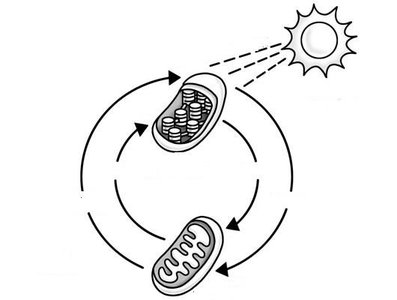
Photosynthesis and cellular respiration are complementary processes that cycle energy and matter through ecosystems. Photosynthesis converts solar energy to chemical energy (carbohydrates), while respiration releases energy by oxidising carbohydrates.
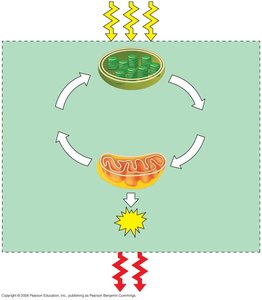
Cellular Respiration
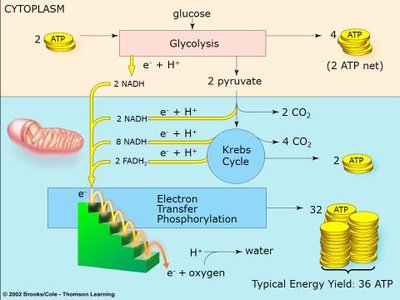
Cellular respiration is the process by which cells extract energy from glucose. The overall equation is:
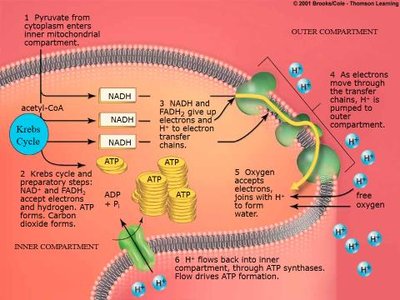
Glycolysis: Occurs in the cytoplasm; glucose is split into pyruvate, producing ATP and NADH.
Citric Acid (Krebs) Cycle: Occurs in the mitochondrial matrix; acetyl-CoA is oxidised, producing CO2, NADH, FADH2, and ATP.
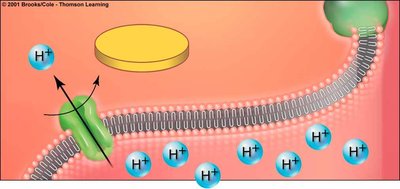
Oxidative Phosphorylation (Electron Transport Chain): Occurs in the mitochondrial inner membrane; electrons from NADH and FADH2 drive ATP synthesis via chemiosmosis.
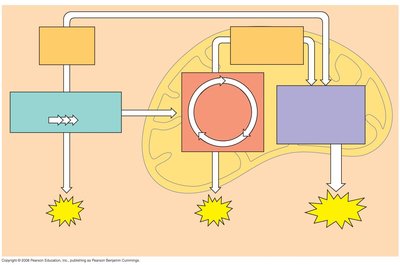
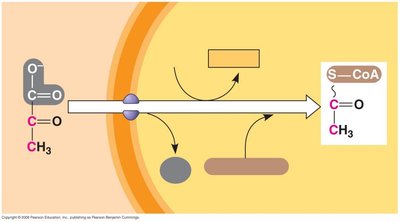
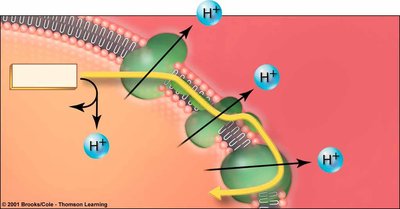
Fermentation
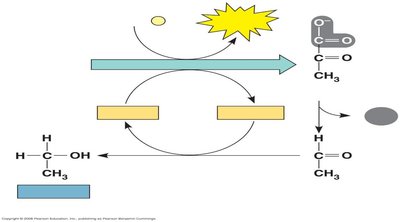
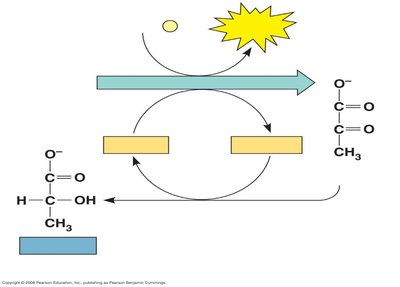
Fermentation allows ATP production in the absence of oxygen (anaerobic conditions). Pyruvate is converted to ethanol (alcohol fermentation) or lactate (lactic acid fermentation), regenerating NAD+ for glycolysis.
Photosynthesis
Photosynthesis occurs in chloroplasts and converts light energy into chemical energy stored in glucose. The overall equation is:
Light Reactions: Occur in thylakoid membranes; capture light energy to produce ATP and NADPH, releasing O2.
Calvin Cycle (Dark Reactions): Occur in the stroma; use ATP and NADPH to fix CO2 into sugars.
Section D: Cell Biology
What Are Cells?
Cells are the smallest structural and functional units of life. All organisms are composed of cells, which may be unicellular or multicellular. Cells carry out metabolism, respond to their environment, and reproduce.
Cell Theory:
All living things are composed of cells.
The cell is the basic unit of structure and function in living things.
All cells arise from pre-existing cells.
Prokaryotes vs. Eukaryotes
Feature | Prokaryotic Cells | Eukaryotic Cells |
|---|---|---|
Size | Smaller | Larger |
Complexity | Simpler | More complex |
DNA Location | Nucleoid (no membrane) | Nucleus (membrane-bound) |
Organelles | Absent | Present (membrane-bound) |
Plant vs. Animal Cells
Feature | Plant Cell | Animal Cell |
|---|---|---|
Cell Wall | Present (cellulose) | Absent |
Chloroplasts | Present | Absent |
Vacuole | Large central vacuole | Small or absent |
Centrioles | Absent | Present |
Origin of Eukaryotic Cells: Endosymbiosis Theory
The endosymbiosis theory proposes that mitochondria and chloroplasts originated as free-living prokaryotes engulfed by ancestral eukaryotic cells, forming a symbiotic relationship. Evidence includes their own DNA and double membranes.
Cell Membrane Structure and Function
The plasma membrane is a fluid mosaic of phospholipids, proteins, and carbohydrates. It is selectively permeable, controlling the movement of substances in and out of the cell.
Phospholipid Bilayer: Hydrophilic heads face outward; hydrophobic tails face inward.
Membrane Proteins: Functions include transport, signaling, cell recognition, and enzymatic activity.
Movement Across Membranes
Diffusion: Passive movement of molecules from high to low concentration.
Facilitated Diffusion: Passive transport via membrane proteins.
Active Transport: Movement against concentration gradient, requiring energy (ATP).
Osmosis: Diffusion of water across a selectively permeable membrane.
Endocytosis/Exocytosis: Bulk transport of materials into/out of the cell via vesicles.
Cellular Components
Nucleus: Contains genetic material (DNA), controls cell activities.
Ribosomes: Sites of protein synthesis.
Endomembrane System: Includes endoplasmic reticulum (smooth and rough), Golgi apparatus, vesicles, and vacuoles; involved in synthesis, modification, and transport of cellular products.
Mitochondria: Sites of cellular respiration and ATP production.
Chloroplasts (plants): Sites of photosynthesis.
Cytoskeleton: Network of microtubules, microfilaments, and intermediate filaments; maintains cell shape, enables movement.
Additional info: These notes are structured to provide a comprehensive overview of foundational biology topics, suitable for exam preparation and self-study at the college level.
