 Back
BackAnimal Reproduction
Study Guide - Smart Notes
 Tailored notes based on your materials, expanded with key definitions, examples, and context.
Reproduction in Animals
Overview of Reproductive Physiology
Reproductive physiology examines the mechanisms and strategies by which animals produce offspring. This includes the study of asexual and sexual reproduction, reproductive cycles, the structure and function of reproductive organs, and the hormonal and neural coordination of reproductive processes.
Asexual vs. Sexual Reproduction: Asexual reproduction involves a single parent and produces genetically identical offspring, while sexual reproduction involves the fusion of gametes from two parents, increasing genetic diversity.
Mate Association: The behavioral and physiological mechanisms by which animals find and select mates.
Cycles of Reproduction: Many animals exhibit reproductive cycles regulated by environmental cues and internal hormonal changes.
Reproductive Cells and Organs: Specialized cells (gametes) and organs (gonads) are involved in reproduction.
Endocrine and Neural Coordination: Hormones and neural signals tightly regulate reproductive events.
Parental Investment: The energy and resources parents devote to the care and survival of their offspring.
Physiology of the Offspring: Developmental processes from fertilization to birth/hatching.
Reproductive Terminology and Etymology
Partheno-: Virgin (e.g., parthenogenesis – virgin birth)
Genesis: Formation
Gyny: Female
Andry: Male
Ova: Egg
Vivi: Live
Pare: To bear
Hermaphrodite: An organism with both male and female reproductive organs
Example: The term "hermaphrodite" is derived from the mythological offspring of Hermes and Aphrodite, who possessed both male and female sexual organs.
Reproductive Strategies
Asexual and Sexual Strategies
Parthenogenesis: Females produce offspring from unfertilized eggs. Common in arthropods and some vertebrates (e.g., certain lizards, fish, salamanders).
Hermaphroditism: Individuals possess both testes and ovaries. Some species (e.g., tapeworms) are self-fertilizing, while others (e.g., earthworms) require two individuals.
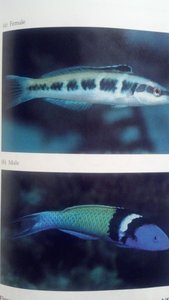
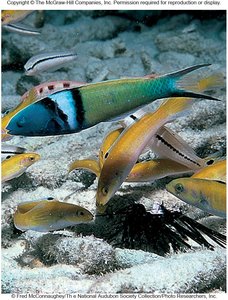
Sequential Hermaphroditism: Individuals change sex during their lifetime, often under social control. Includes protogyny (female to male) and protandry (male to female).
Example: The bluehead wrasse exhibits protogyny, where females can become males in response to social cues.
Sex Determination Mechanisms
Temperature-Dependent Sex Determination (TSD): In many fish and reptiles, the temperature during embryonic development determines sex.
Genetic Sex Determination: Chromosomal systems such as XX/XY (mammals), ZZ/ZW (birds, some reptiles), and others.
SRY Gene: In humans, the SRY gene on the Y chromosome triggers testis development; absence leads to ovary formation.
Example: In mammals, embryonic gonads are initially indifferent; SRY expression leads to testis development and male differentiation.
Fertilization: External vs. Internal
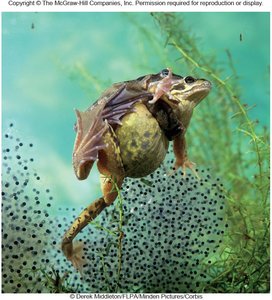
External Fertilization: Common in aquatic animals; eggs and sperm are released into the environment.
Internal Fertilization: Sperm are deposited inside the female reproductive tract; eggs may be retained and protected.
Example: Most bony fish and amphibians use external fertilization, while cartilaginous fish, reptiles, birds, and mammals use internal fertilization.
Developmental Strategies
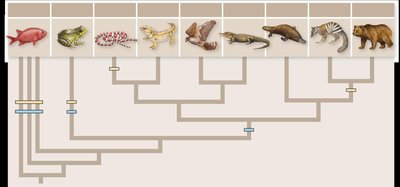
Oviparity: Eggs are laid outside the mother's body; development occurs externally (e.g., birds, most reptiles).
Ovoviviparity: Fertilized eggs are retained within the parent; nourishment comes from the yolk (e.g., some sharks, reptiles).
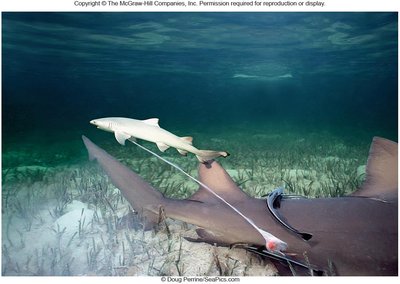
Viviparity: Young develop inside the mother and receive nourishment directly from her (e.g., most mammals).
Example: Lemon sharks are viviparous, carrying live young within their bodies.
Reproductive Adaptations in Major Vertebrate Groups
Fish
Bony Fish: Mostly external fertilization; high egg output, low survival rate.
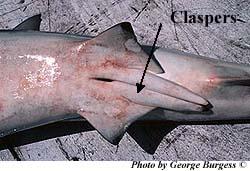
Cartilaginous Fish: Internal fertilization using claspers; may use oviparity, ovoviviparity, or viviparity.
Amphibians
Most have external fertilization; eggs develop in water.
Some species exhibit parental care, such as carrying tadpoles or developing larvae on the back or in pouches.
Reptiles
Amniotic egg with extraembryonic membranes; adaptation for terrestrial life.
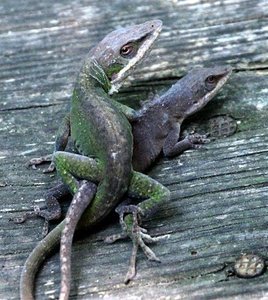
Most are oviparous; some are ovoviviparous or viviparous.
Birds
All birds are oviparous; internal fertilization via cloacal kiss (except some species with intromittent organs).
Mammals
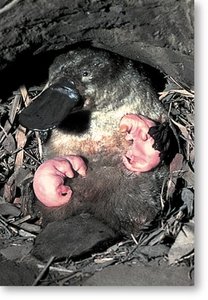
Monotremes: Lay eggs (e.g., platypus).
Marsupials: Give birth to underdeveloped young that complete development in a pouch (e.g., kangaroo).
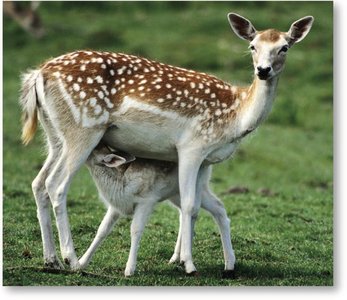
Eutherians (Placental Mammals): Retain young for a prolonged period; nourishment via placenta.

Human Reproductive Anatomy and Physiology
Male Reproductive System
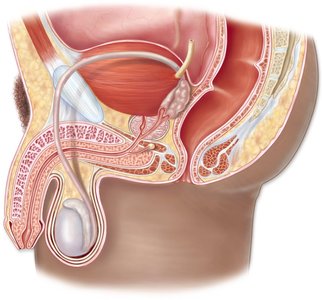
Testes: Site of sperm production in seminiferous tubules; descend into the scrotum for optimal temperature.
Epididymis: Sperm storage and maturation.
Vas Deferens: Transports sperm to the urethra.
Penis: Erectile organ for sperm delivery; erection mediated by nitric oxide (NO).
Sperm Structure: Head (nucleus, acrosome), body (mitochondria), tail (flagellum).
Spermatogenesis
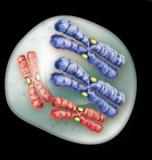
Diploid germ cells undergo two rounds of meiosis to produce haploid spermatids.
Sperm mature in the epididymis before ejaculation.
Hormonal Regulation
Hypothalamus: Releases GnRH (gonadotropin-releasing hormone).
Anterior Pituitary: Releases FSH (stimulates Sertoli cells) and LH (stimulates Leydig cells to produce testosterone).
Testosterone: Maintains secondary sex characteristics and spermatogenesis.
Negative Feedback: Inhibin and testosterone inhibit GnRH, FSH, and LH release.
Female Reproductive System
Ovaries: Produce eggs (oocytes) and hormones (estrogen, progesterone).
Fallopian Tubes: Site of fertilization; transport eggs to the uterus.
Uterus: Site of embryo implantation and development.
Vagina: Receives sperm and serves as the birth canal.
Ovarian and Uterine Cycles
Follicular Phase: FSH stimulates follicle growth; estrogen promotes endometrial proliferation.
Ovulation: Release of a mature oocyte triggered by LH surge.
Luteal Phase: Corpus luteum secretes progesterone; if no fertilization, it degenerates, leading to menstruation.
hCG: Produced by embryo; maintains corpus luteum and prevents menstruation in early pregnancy.
Contraception
Abstinence: No sexual intercourse; most reliable method.
Sperm Blockage: Condoms, diaphragms, cervical caps prevent sperm entry.
Sperm Destruction: Douches (ineffective, high failure rate).
Prevention of Ovulation: Birth control pills (contain progesterone and/or estrogen analogues).
Prevention of Implantation: IUDs, emergency contraception (Plan B).
Sterilization: Vasectomy (males), tubal ligation (females).
Summary Table: Major Vertebrate Reproductive Strategies
Group | Fertilization | Development | Example |
|---|---|---|---|
Fish (bony) | External | Oviparity | Salmon |
Fish (cartilaginous) | Internal | Oviparity/Ovoviviparity/Viviparity | Shark |
Amphibians | External | Oviparity | Frog |
Reptiles | Internal | Oviparity/Ovoviviparity/Viviparity | Snake |
Birds | Internal | Oviparity | Chicken |
Mammals (monotremes) | Internal | Oviparity | Platypus |
Mammals (marsupials) | Internal | Viviparity (pouch) | Kangaroo |
Mammals (eutherians) | Internal | Viviparity (placenta) | Human |
Additional info: Where the original content was brief or fragmented, academic context and examples were added for clarity and completeness.
