 Back
Comprehensive Study Notes on Animal Reproduction and Human Reproductive Physiology
Study Guide - Smart Notes
 Tailored notes based on your materials, expanded with key definitions, examples, and context.
Reproduction: An Overview
Aspects Studied by Physiologists
Reproduction is a fundamental biological process ensuring the continuation of species. Physiologists study various aspects of reproduction, including:
Asexual vs. Sexual Reproduction: Comparison of mechanisms and evolutionary significance.
Mate Association: How individuals find and select mates.
Cycles of Reproduction: Timing and regulation of reproductive events.
Reproductive Cells and Organs: Structure and function of gametes and reproductive anatomy.
Coordination by Endocrine and Neural Mechanisms: Hormonal and neural control of reproductive processes.
Parental Investment: Energetic and behavioral contributions to offspring survival.
Physiology of the Offspring: Development and adaptation of young organisms.

Reproductive Etymology and Terminology
Key Terms and Origins
Partheno-: Virgin (e.g., parthenogenesis – virgin birth)
Genesis: Formation
Gyny: Female
Andry: Male
Ova: Egg
Vivi: Live
Pare: To bear
Hermaphrodite: Organism with both male and female reproductive organs (named after Hermes and Aphrodite)
Reproductive Strategies
Parthenogenesis and Hermaphroditism
Animals exhibit diverse reproductive strategies:
Parthenogenesis: Females produce offspring from unfertilized eggs. Common in arthropods and some vertebrates (e.g., certain lizards, fish, salamanders).
Hermaphroditism: Individuals possess both testes and ovaries. Some species (e.g., tapeworms) are self-fertilizing, while others (e.g., earthworms) require two individuals.
Sequential Hermaphroditism: Individuals change sex during their lifetime, often under social control. Includes protogyny (female to male) and protandry (male to female).
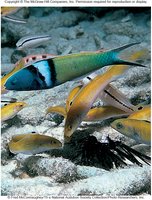
Example: The bluehead wrasse exhibits protogyny, where females can become males in response to social cues.
Sex Determination Mechanisms
Temperature-Sensitive and Genetic Systems
Temperature-Sensitive Determination (TSD): In many fish and reptiles, sex is determined by incubation temperature.
Genetic Systems:
XX/XY: Mammals, including humans. The SRY gene on the Y chromosome triggers testis development.
ZZ/ZW: Birds, some reptiles, amphibians. Females are ZW, males are ZZ.
Embryonic Gonads: Indifferent for the first 40 days in humans; SRY gene presence leads to testis formation and testosterone production.
Fertilization: External vs. Internal
Modes of Fertilization
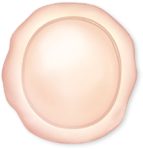
External Fertilization: Common in aquatic animals. Eggs and sperm are released into the water, where fertilization occurs externally. Eggs are typically small and numerous.
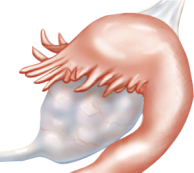
Internal Fertilization: Sperm are deposited inside the female reproductive tract. Eggs may be encased in shells or develop within the mother (placental organisms).
Developmental Strategies in Internal Fertilization
Oviparity, Ovoviviparity, Viviparity
Oviparity: Fertilized eggs are laid outside the mother's body (e.g., birds, most reptiles).
Ovoviviparity: Fertilized eggs develop inside the parent, but nourishment comes from the yolk, not the parent (e.g., some sharks, reptiles).
Viviparity: Young develop inside the mother and receive nutrition directly from her (e.g., most mammals, some fish and reptiles).

Evolution of Internal Fertilization and Live Birth
Phylogenetic Patterns
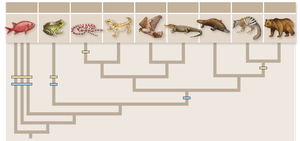
Internal fertilization and live birth have evolved multiple times in vertebrates, including fish, amphibians, reptiles, and mammals.
Reproductive Modes in Major Vertebrate Groups
Fishes
Bony Fish: Mostly external fertilization; many eggs, low survival rate.
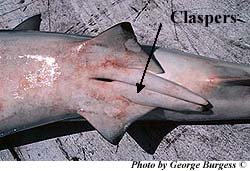
Cartilaginous Fish: Internal fertilization using claspers and spermatophores.
Amphibians
Most have external fertilization; eggs develop in water.
Some species show parental care, such as carrying tadpoles or developing larvae on the back or in pouches.

Reptiles
Most lay amniotic eggs with leathery shells (oviparous).
Some are ovoviviparous or viviparous (rare).
Birds
All are oviparous with internal fertilization.
Most lack intromissive organs; fertilization occurs via a cloacal kiss.
Mammals
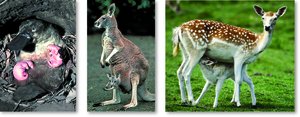
Monotremes: Lay eggs (e.g., platypus).
Marsupials: Give birth to underdeveloped young that complete development in a pouch (e.g., kangaroo).
Eutherians (Placental Mammals): Prolonged internal development; nourishment via placenta.
Human Reproductive Anatomy and Physiology
Male Reproductive System
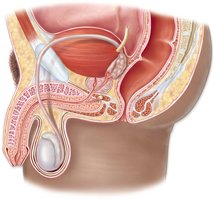
Testes: Site of sperm production in seminiferous tubules.
Epididymis: Sperm storage and maturation.
Vas Deferens: Transports sperm to the urethra.
Accessory Glands: Prostate, seminal vesicles, and bulbourethral glands contribute to semen.
Penis: Erectile tissue enables copulation; ejaculation releases semen.
Spermatogenesis
Occurs in seminiferous tubules; diploid germ cells undergo two meiotic divisions to produce haploid spermatids.
Sperm mature in the epididymis and are transported via the vas deferens.
Sperm Structure
Head: Contains nucleus and acrosome (enzyme cap for egg penetration).
Body: Packed with mitochondria for energy.
Tail (Flagellum): Provides motility.
Hormonal Regulation in Males
GnRH (Gonadotropin-Releasing Hormone): From hypothalamus, stimulates anterior pituitary.
FSH (Follicle-Stimulating Hormone): Stimulates Sertoli cells and spermatogenesis.
LH (Luteinizing Hormone): Stimulates Leydig cells to produce testosterone.
Testosterone: Maintains secondary sex characteristics and feedback inhibition.
Female Reproductive System
Ovaries: Produce eggs (oocytes) and hormones.
Fallopian Tubes: Site of fertilization; transport eggs to uterus.
Uterus: Site of implantation and fetal development.
Vagina: Receives sperm and serves as birth canal.
Oogenesis and Ovarian Cycle
Follicular Phase: FSH stimulates growth of several follicles; one becomes dominant (Graafian follicle).
Ovulation: Release of secondary oocyte triggered by LH surge.
Luteal Phase: Corpus luteum forms; secretes estrogen and progesterone. If no fertilization, it degenerates, leading to menstruation.
hCG: Maintains corpus luteum if pregnancy occurs; detected in pregnancy tests.
Uterine (Menstrual) Cycle
Menstrual Phase: Shedding of endometrial lining.
Proliferative Phase: Endometrium rebuilds under estrogen influence.
Secretory Phase: Endometrium prepares for implantation under progesterone.
Contraception
Methods of Birth Control
Abstinence: No sexual intercourse; most reliable method.
Sperm Blockage: Condoms, diaphragms, cervical caps prevent sperm entry.
Sperm Destruction: Douches (ineffective, high failure rate).
Prevention of Ovulation: Oral contraceptives (contain progesterone/estrogen analogues), hormone implants.
Prevention of Implantation: IUDs, emergency contraception (Plan B).
Sterilization: Vasectomy (males), tubal ligation (females).
Additional info: These notes integrate foundational concepts from animal and human reproductive physiology, suitable for college-level biology courses. All images included are directly relevant to the adjacent content and reinforce key concepts.
