 Back
Conservation Biology and Ecological Restoration: Study Notes
Study Guide - Smart Notes
 Tailored notes based on your materials, expanded with key definitions, examples, and context.
Conservation Biology and Ecological Restoration
Ecological Restoration
Ecological restoration is the scientific process of actively assisting the recovery of ecosystems that have been degraded, damaged, or destroyed. The goal is to return the ecosystem as closely as possible to its pre-disturbance state, focusing on both structural and functional aspects.
Reference Ecosystems: Restoration projects use reference ecosystems as models for recovery, guiding the selection of species and structural features.
Self-Sustainability: The aim is to create ecosystems that can sustain themselves without ongoing human intervention.
Adaptive Management: Restoration strategies are adjusted based on monitoring and feedback to improve outcomes.
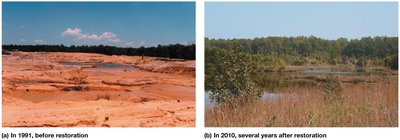
Practical Techniques: These include structural remediation (repairing physical features), biotic interventions (introducing or managing species), and process recovery (restoring ecosystem functions).
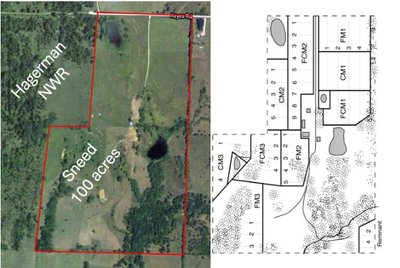
Examples of Restoration Projects
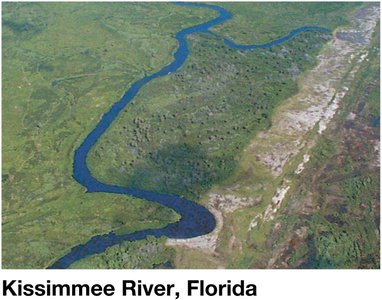
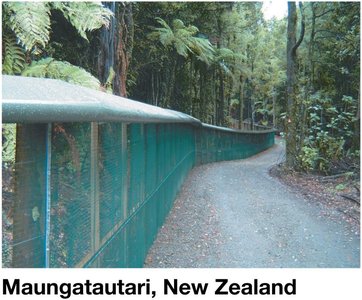
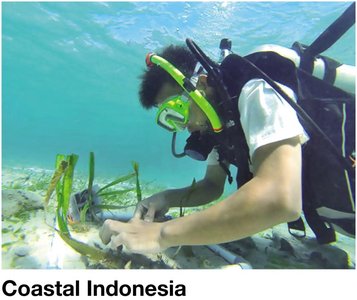
Structural Remediation: Rebuilding soil, replanting vegetation, and restoring water flow.
Biotic Interventions: Introducing native species or removing invasive ones.
Process Recovery: Restoring nutrient cycling, pollination, and other ecosystem processes.
Bioremediation
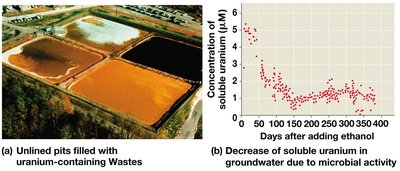
Bioremediation is the use of living organisms—mainly plants, fungi, or prokaryotes—to detoxify polluted ecosystems. These organisms can absorb, metabolize, or immobilize toxic substances, making the environment safer for other life forms.
Example: Shewanella oneidensis bacteria metabolize uranium into an insoluble form, reducing its mobility and risk to groundwater.
Biological Augmentation
Biological augmentation involves adding essential materials or organisms to a degraded ecosystem to enhance its recovery. This may include introducing nitrogen-fixing plants, mycorrhizal fungi, or animals to restore ecological balance.
Nitrogen-fixing plants: Increase soil fertility by converting atmospheric nitrogen into forms usable by plants.
Mycorrhizal fungi: Improve plant nutrient uptake.
Wildlife corridors and animal release: Facilitate recolonization and genetic exchange.
Conservation Biology
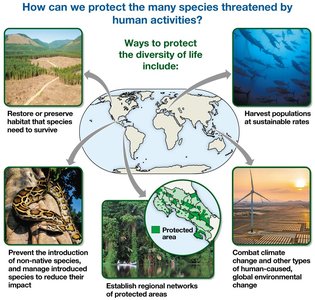
Conservation biology is the science of protecting, preserving, managing, and restoring natural environments and wildlife. It addresses the threats to biodiversity and develops strategies to mitigate them.
In-Situ Conservation: Protecting species in their natural habitats (e.g., national parks, wildlife sanctuaries).
Ex-Situ Conservation: Preserving species outside their natural habitats (e.g., zoos, gene banks).
Landscape-Scale Conservation: Connecting fragmented habitats with wildlife corridors to promote migration and genetic exchange.
Levels of Biodiversity
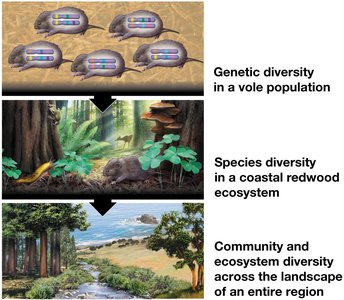
Biodiversity is considered at three main levels, each crucial for ecosystem health and resilience:
Genetic Diversity: Variation within a species, important for adaptability.
Species Diversity: Variety of species within an ecosystem.
Ecosystem Diversity: Diversity of habitats and ecological processes across landscapes.
Major Threats to Biodiversity
Habitat Loss/Fragmentation: Destruction or division of habitats reduces species populations.
Invasive Species: Non-native species disrupt local ecosystems.
Overharvesting: Unsustainable exploitation of resources.
Global Change: Climate change, pollution, and other large-scale environmental shifts.
Global Change and Its Effects
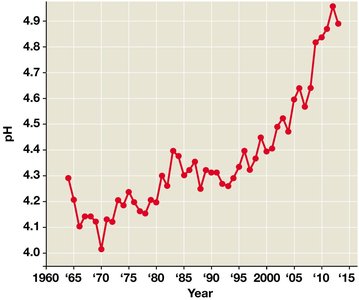
Global change encompasses alterations in climate, atmospheric and ocean chemistry, and ecological systems that reduce Earth's capacity to support life. Acid precipitation, caused by sulfur and nitrogen emissions, lowers pH and harms organisms.
Acid Precipitation: Rain, snow, or fog with pH < 5.2, resulting from burning wood and fossil fuels.
Effects: Decreases soil nutrients, increases toxic metals, and damages aquatic ecosystems.
Regulation: Environmental policies have reduced sulfur dioxide emissions, but recovery is slow.
Resurrecting Extinct Species
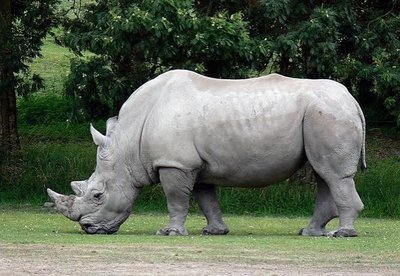
Advances in biotechnology have enabled scientists to attempt cloning and hybridization to prevent extinctions and potentially resurrect extinct species. For example, hybrid embryos have been created using sperm from the near-extinct northern white rhinoceros and eggs from a related subspecies.
Landscape and Regional Conservation
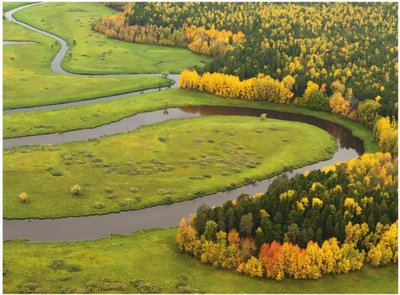
Modern conservation efforts focus on sustaining biodiversity at the community, ecosystem, and landscape levels. The structure and boundaries of landscapes influence species distribution and genetic exchange.
Edge Communities: Areas where two ecosystems meet, often rich in biodiversity.
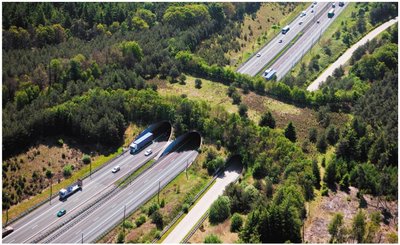
Movement Corridors: Strips or clumps of habitat connecting isolated patches, promoting dispersal and reducing inbreeding.
Artificial Corridors: Bridges or tunnels for wildlife to cross human-made barriers.
Risks: Corridors can also facilitate the spread of diseases.
Urban Ecology
Urban ecology studies organisms and their environment in urban settings. Restoration projects in cities may involve stabilizing stream banks, removing invasive plants, and planting native species to improve water quality and habitat.
Nutrient Enrichment
Human activities often redistribute nutrients, leading to enrichment in some areas and depletion in others. Excess nutrients can cause phytoplankton blooms and "dead zones" in aquatic ecosystems.
Critical Load: The maximum amount of nutrient that can be absorbed without harming ecosystem integrity.
Phytoplankton Blooms: Excess nutrients cause rapid growth, followed by oxygen depletion as decomposers break down dead phytoplankton.
Example: The Mississippi River carries nitrogen pollution to the Gulf of Mexico, creating a large dead zone each summer.
Toxins in the Environment
Humans release many toxic chemicals, some of which persist and accumulate in ecosystems. Biological magnification occurs when toxins concentrate in organisms at higher trophic levels.
Biological Magnification: Toxins become more concentrated as they move up the food chain.
Emerging Frontiers & Solutions
Community-Based Conservation: Integrates indigenous knowledge and local economies.
Rewilding: Reintroducing apex predators or keystone species to restore ecosystem functions.
Technology: Drones, environmental DNA (eDNA), and GIS mapping for monitoring and planning.
Key Terms and Concepts
Ecological Restoration: Active recovery of degraded ecosystems.
Bioremediation: Use of organisms to detoxify polluted environments.
Biological Augmentation: Adding essential materials or organisms to aid recovery.
Conservation Biology: Science of protecting biodiversity.
Biodiversity: Genetic, species, and ecosystem diversity.
Critical Load: Maximum nutrient input without ecosystem harm.
Biological Magnification: Concentration of toxins at higher trophic levels.
Relevant Equations
Critical Load Equation:
pH Calculation:
Summary Table: Conservation Strategies
Strategy | Description | Example |
|---|---|---|
In-Situ Conservation | Protecting species in their natural habitat | National parks, wildlife sanctuaries |
Ex-Situ Conservation | Preserving species outside their natural habitat | Zoos, gene banks |
Landscape Conservation | Connecting habitats for migration and gene flow | Wildlife corridors |
Community-Based Conservation | Integrating local knowledge and economies | Indigenous-managed reserves |
Rewilding | Reintroducing key species | Wolves in Yellowstone |
Additional info: Academic context was added to clarify restoration techniques, conservation strategies, and the scientific basis for biodiversity protection.
