 Back
BackConservation Biology and Global Change: Protecting Biodiversity
Study Guide - Smart Notes
 Tailored notes based on your materials, expanded with key definitions, examples, and context.
Conservation Biology and Global Change
Introduction to Conservation Biology
Conservation biology is an integrative discipline that aims to protect and sustain biodiversity at all levels—genetic, species, and ecosystem. Human activities have accelerated extinction rates and altered ecosystem processes globally, threatening the diversity of life on Earth. Conservation efforts focus on understanding these threats and implementing strategies to mitigate them.
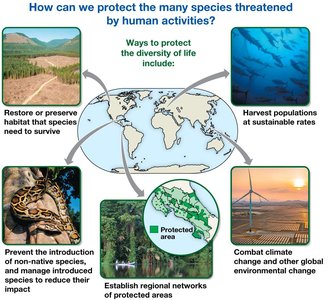
43.1: Human Activities Threaten Earth’s Biodiversity
Levels of Biodiversity
Biodiversity can be examined at three main levels, each critical for ecosystem function and resilience:
Genetic diversity: Variation within and between populations, providing the raw material for adaptation and evolution.
Species diversity: The number and relative abundance of species in an ecosystem or across the biosphere.
Ecosystem diversity: The variety of ecosystems in a region or the biosphere, supporting complex interactions among organisms.
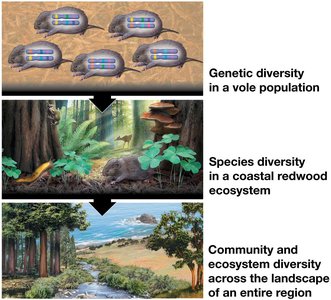
Genetic and Species Diversity
Genetic diversity is essential for populations to adapt to changing environments. Population extinctions reduce genetic diversity, limiting a species' adaptive potential. Species diversity is measured by the number of species present. Species are classified as:
Endangered species: At risk of extinction throughout all or much of their range.
Threatened species: Likely to become endangered in the near future.
Local extinction refers to the loss of a species in a specific area, while global extinction means the species is lost from all ecosystems.
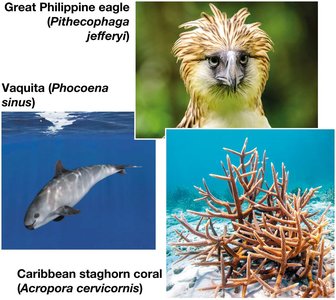
Ecological Roles and Human Welfare
The extinction of one species can negatively impact others. For example, flying foxes (bats) are vital pollinators and seed dispersers in Pacific Island ecosystems.
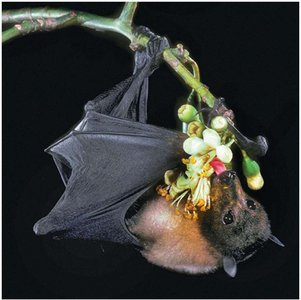
Human activity reduces ecosystem diversity, such as the loss of wetlands for agriculture. Biodiversity loss has moral, philosophical, and practical implications, including the loss of ecosystem services and genetic resources valuable for medicine and agriculture.
Benefits of Species and Genetic Diversity
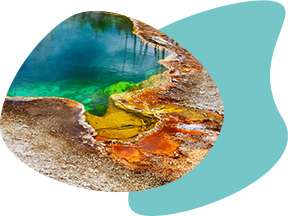
Wild populations provide genetic resources for crop improvement and pharmaceuticals. For example, the rosy periwinkle produces alkaloids that inhibit cancer growth, and the enzyme Taq polymerase, essential for PCR, was discovered in thermophilic bacteria from hot sprgbyings.

Major Threats to Biodiversity
Human activities pose four major threats to biodiversity:
Habitat loss
Introduced species
Overharvesting
Global change
Ecosystem services, such as air and water purification, pollination, and soil preservation, are valued at trillions of dollars annually but are often taken for granted.
Habitat Loss
Habitat alteration is the greatest threat to biodiversity, caused by agriculture, urban development, forestry, mining, and pollution. Fragmentation reduces population sizes and increases extinction risk. Aquatic habitats, such as coral reefs and freshwater systems, are also severely impacted.
nj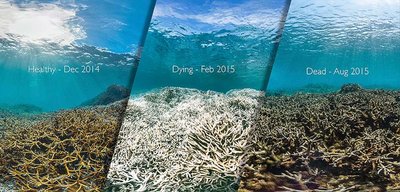
Introduced Species
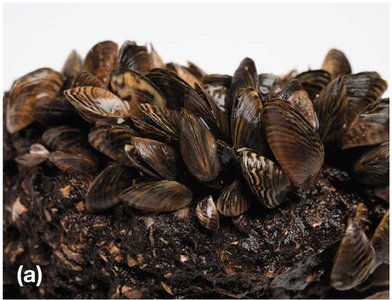
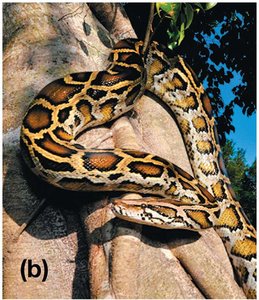
Introduced (invasive) species are moved by humans to new regions, often spreading rapidly due to lack of natural predators. They can outcompete or prey on native species, causing ecological and economic damage. Examples include zebra mussels in the Great Lakes and Burmese pythons in the Everglades.
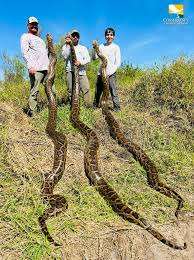
Overharvesting
Overharvesting occurs when wild organisms are harvested at rates exceeding their ability to recover. Species with restricted habitats or low reproductive rates are especially vulnerable. DNA analysis helps trace the origin of illegally obtained animal products.
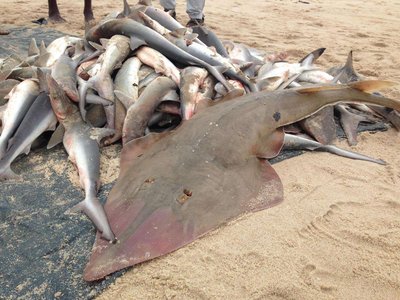
43.2: Population Conservation Focuses on Population Size, Genetic Diversity, and Critical Habitat
The Extinction Vortex
Small populations are vulnerable to extinction due to inbreeding and genetic drift, which reduce genetic variation and fitness. This process is known as the extinction vortex. However, some populations can recover if genetic diversity is restored, as seen in the greater prairie chicken.
Minimum Viable Population and Effective Population Size
Minimum viable population (MVP): The smallest population size at which a species can survive.
Effective population size: The number of individuals contributing genes to the next generation, often less than the total population size.
Protecting critical habitat and restoring key environmental factors are essential for population recovery, as demonstrated by the red-cockaded woodpecker.
43.3: Landscape and Regional Conservation Help Sustain Biodiversity
Fragmentation and Edges
Landscape structure, including habitat fragmentation and edge effects, influences biodiversity. Fragmentation increases edge habitat, which can benefit some species but often reduces overall biodiversity. Movement corridors help connect isolated populations, promoting gene flow and reducing inbreeding.
Urban Ecology and Protected Areas
Urban ecology studies the interactions between organisms and their urban environments. Protected areas, including biodiversity hotspots and nature reserves, are critical for conservation. The design and management of these areas are complex and must consider ecological, social, and economic factors.
Zoned Reserves
Zoned reserves include undisturbed core areas surrounded by buffer zones where human activities are regulated. This approach supports both conservation and sustainable resource use, as seen in Costa Rica and marine reserves like the Florida Keys National Marine Sanctuary.
43.4: Earth Is Changing Rapidly as a Result of Human Actions
Nutrient Enrichment
Excessive nutrient input from agriculture leads to eutrophication, algal blooms, and aquatic dead zones. The critical load is the maximum nutrient input that can be absorbed without harming ecosystem integrity.
Toxin Accumulation and Biological Magnification
Toxic chemicals, such as PCBs and DDT, accumulate in tissues and magnify up the food chain, causing harm to top predators. Pharmaceuticals and plastics also pose significant threats to aquatic and terrestrial ecosystems.
Climate Change and Greenhouse Gases
Climate change, driven by increased greenhouse gas emissions, is causing global temperature rise, altered weather patterns, and increased frequency of extreme events. Biological effects include range shifts, altered phenology, and ecosystem disruption.
Greenhouse effect: Greenhouse gases absorb and radiate infrared radiation, warming the Earth.
Earth has warmed by an average of 1.15°C since 1900.
Climate change impacts all levels of biological organization, from cellular processes to entire ecosystems.
43.5: The Human Population Is No Longer Growing Exponentially but Is Still Increasing Rapidly
Human Population Growth
The human population has surpassed 8 billion and continues to grow, though the rate has slowed. Most growth occurs in less industrialized countries. The concept of carrying capacity and ecological footprint are used to estimate the maximum sustainable population size.
43.6: Sustainable Development Can Improve Human Lives While Conserving Biodiversity
Sustainable Development
Sustainable development meets present needs without compromising future generations. It requires integrating ecological, social, economic, and ethical considerations. Case studies, such as Costa Rica, demonstrate that conservation and improved human well-being can go hand in hand.
The Future of the Biosphere
Human connection to nature (biophilia) may motivate shifts in environmental priorities. Achieving sustainability and conserving biodiversity are essential for the long-term health of the planet and humanity.
