 Back
Conservation Biology and the Threats to Biodiversity
Study Guide - Smart Notes
 Tailored notes based on your materials, expanded with key definitions, examples, and context.
Conservation Biology and Global Change
Introduction to Conservation Biology
Conservation biology is an integrative discipline that applies principles from ecology, physiology, molecular biology, evolutionary biology, and genetics to conserve biological diversity. The field addresses the alarming rates of species extinction and the loss of biodiversity caused primarily by human activities.
Biodiversity refers to the variety of life at all levels of biological organization, from genetic diversity within populations to the diversity of ecosystems across the globe.
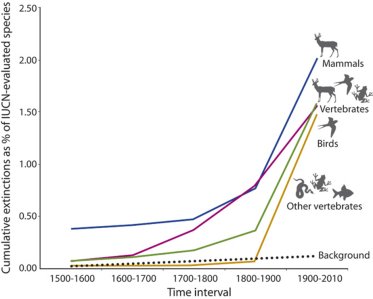
Extinction is a natural phenomenon, but current rates are 100–1,000 times higher than the background rate due to human influence.
Conservation biology aims to conserve biodiversity at genetic, species, and ecosystem levels.
Levels of Biodiversity
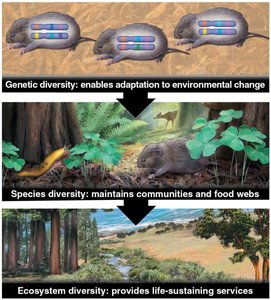
Biodiversity can be examined at three main levels, each critical for the stability and resilience of life on Earth:
Genetic diversity: Variation of genes within and between populations, enabling adaptation to local conditions and environmental changes.
Species diversity: The number of species within an ecosystem or across the biosphere, maintaining communities and food webs.
Ecosystem diversity: The variety of ecosystems within a region, providing life-sustaining services.
Human Activities Threatening Biodiversity
Major Threats to Biodiversity
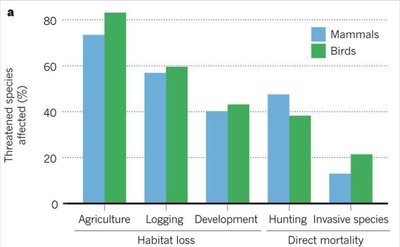
Most species loss is attributed to four primary threats, all driven by human activities:
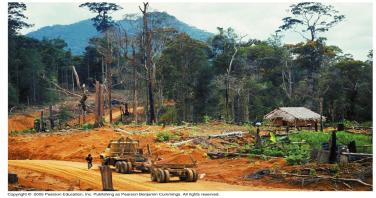
Habitat loss: Destruction and fragmentation of habitats through agriculture, forestry, urban development, mining, and pollution. This is the leading driver of biodiversity loss.
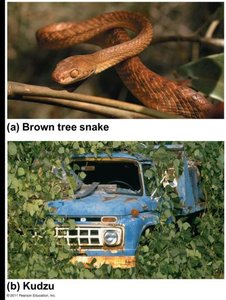
Introduced species: Non-native species, intentionally or accidentally introduced, can outcompete, prey upon, or bring diseases to native species, often leading to extinctions.
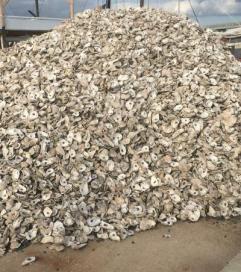
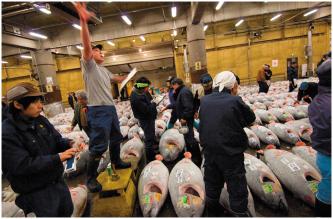
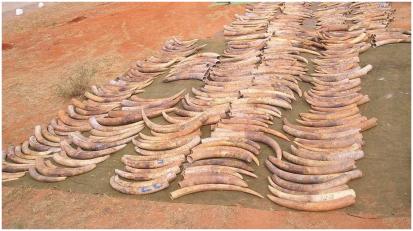
Overharvesting: Harvesting organisms at rates exceeding their ability to recover, especially affecting species with restricted ranges or low reproductive rates.
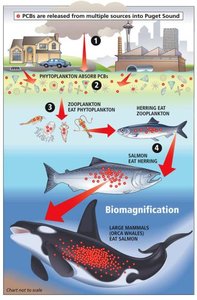
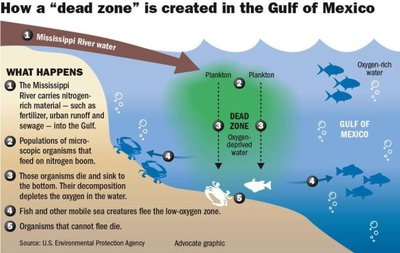
Global change: Broad alterations in climate, atmospheric chemistry, and ecological systems, including accumulation of toxins and nutrient enrichment, which can undermine Earth's capacity to support life.
Endangered and Threatened Species
Species are classified based on their risk of extinction:
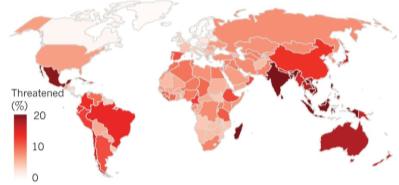
Endangered species: In danger of extinction throughout all or most of their range.
Threatened species: Likely to become endangered in the near future.
Some groups, such as freshwater animals, are more threatened than terrestrial species due to their limited habitats and sensitivity to environmental changes.
Why Conserve Biodiversity?
Ethical, Aesthetic, and Practical Reasons
There are multiple reasons to conserve biodiversity, including:
Biophilia: The innate human connection to nature and all forms of life.
Direct benefits: Biodiversity provides food, clothing, shelter, oxygen, medicine, and joy.
Moral obligation: Other species are entitled to life, and we have a duty to preserve them for future generations.
Genetic resources: Wild species related to crops and medicinal plants are valuable for agriculture and medicine. For example, 25% of U.S. prescriptions contain compounds originally derived from plants.

Ecosystem Services
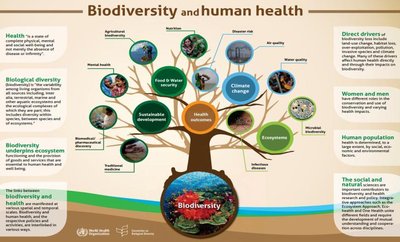
Natural ecosystems provide essential services that support human life, such as:
Purification of air and water
Detoxification and decomposition of wastes
Pollination of crops, pest control, and soil preservation
Moderation of weather extremes and flooding
The estimated value of these services is in the trillions of dollars annually. Loss of biodiversity reduces the capacity of ecosystems to perform these critical functions.
Conservation Strategies
Genetic Resources and Population Management
Conservation efforts include preserving genetic material in gene banks and seed banks, and tracking genetic diversity in captive populations using studbooks. The concept of minimum viable population is used to determine the smallest population size at which a species can survive long-term. Effective population size is often less than the total population due to unequal reproductive success.
Protected Areas and Habitat Management
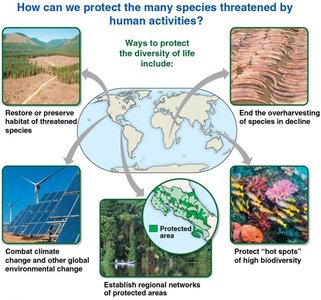
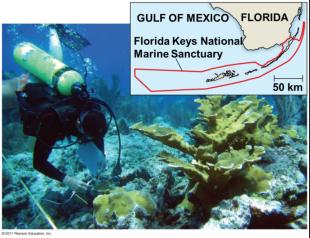
Establishing protected areas is a key strategy for conserving biodiversity. Decisions must be made about whether to protect one large area or several smaller patches, considering the needs of different species and the effects of habitat fragmentation. Corridors can connect habitat patches, but may also increase edge effects and the spread of invasive species.
Biodiversity Hotspots and Keystone Species
Biodiversity hotspots are regions with exceptionally high species richness and endemism, making them priorities for conservation. However, climate change may alter the suitability of these areas. Identifying and protecting keystone species is also crucial, as their loss can disproportionately affect ecosystem structure and function.
Nature Reserves and Restoration Ecology
Nature reserves act as biodiversity islands in landscapes altered by human activity. Zoned reserves include core areas with buffer zones of low-impact human use. Restoration ecology aims to return degraded ecosystems to a more natural state through strategies such as:
Bioremediation: Using prokaryotes, fungi, or plants to detoxify polluted environments.
Biological augmentation: Adding essential materials or organisms to restore ecosystem function.
Summary and Take-Home Messages
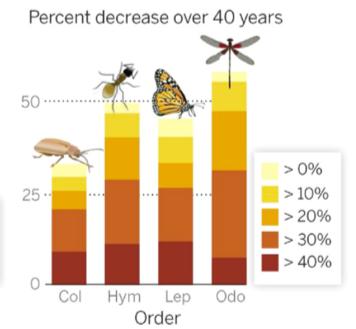
Human activities are the primary drivers of increased extinction rates and biodiversity loss.
Conservation biology seeks to preserve genetic, species, and ecosystem diversity.
Major threats include habitat loss, introduced species, overharvesting, and global change.
Biodiversity is vital for ecosystem services, human welfare, and ethical reasons.
Effective conservation requires integrated strategies, including protected areas, restoration, and sustainable management of resources.
