 Back
Conservation Biology: Biodiversity, Threats, and Strategies
Study Guide - Smart Notes
 Tailored notes based on your materials, expanded with key definitions, examples, and context.
Conservation Biology: Biodiversity, Threats, and Strategies
Introduction to Conservation Biology
Conservation biology is an integrative discipline that applies principles from ecology, physiology, molecular biology, evolutionary biology, and genetics to conserve biological diversity. It addresses the preservation of species, their habitats, and ecosystem functions, recognizing the interconnectedness of all life forms and the importance of biodiversity for sustaining human life.
Biodiversity refers to the variety of life at all levels of biological organization, from genes to ecosystems.
Conservation biology seeks to understand and mitigate the impacts of human activities on biodiversity.
Levels of Biodiversity
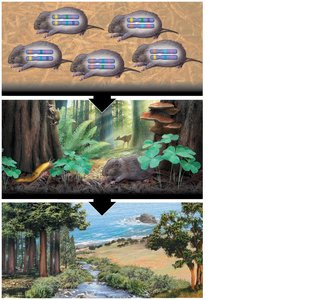
Biodiversity can be considered at three main levels, each critical for ecosystem resilience and function:
Genetic Diversity: The variation of genes within a population, which enables adaptation to changing environments.
Species Diversity: The variety of species within a region or ecosystem.
Ecosystem Diversity: The diversity of habitats, communities, and ecological processes across the biosphere.
Measuring Biodiversity: Richness and Abundance
To assess biodiversity, ecologists use two key metrics:
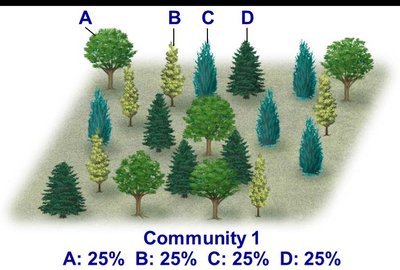
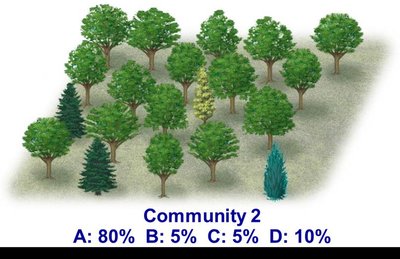
Species Richness: The number of different species present in a community.
Relative Abundance: The proportion of each species in the community.
Communities with both high richness and even abundance are considered more diverse.
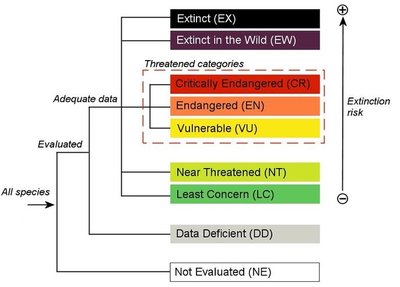
Species of Concern: Endangered and Threatened Species
Species are classified based on their risk of extinction:
Endangered Species: At risk of extinction throughout all or much of their range.
Threatened Species: Likely to become endangered in the foreseeable future.
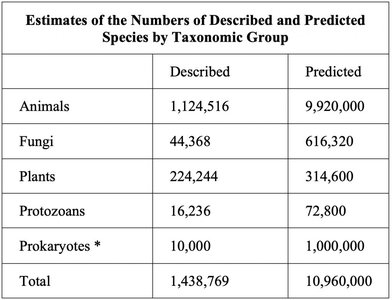
How Many Species Exist?
Approximately 1.8 million species have been formally described, but estimates of total species range from 5 million to 100 million. Many species, especially in tropical rainforests and deep-sea environments, remain undiscovered.
New species are described each year, highlighting the vast unknown diversity of life.
Current Trends in Biodiversity Loss
Biodiversity is declining at an unprecedented rate due to human activities. Key statistics include:
13% of bird species are endangered; 22% of mammal species are threatened.
~20,000 known plant species in the U.S.; 200 extinct, 730 endangered or threatened.
Since 1900, 123 freshwater animal species have become extinct in North America.
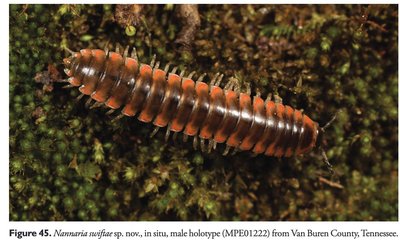
Invertebrates, which make up the majority of animal diversity, are also experiencing significant declines.
Major Threats to Biodiversity
Most species loss is attributed to four main threats:
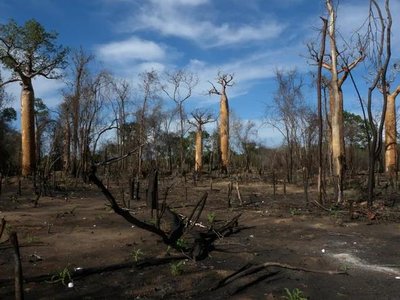
Habitat Loss and Fragmentation: Destruction and division of habitats reduce available space and resources for species.
Introduced Species: Non-native species can outcompete, prey on, or bring diseases to native species.
Overharvesting: Unsustainable hunting, fishing, and gathering reduce populations below recovery levels.
Global Change: Climate change, pollution, and other large-scale changes disrupt ecosystems.
Global Change and Its Effects
Global change encompasses climate change, pollution, and nutrient enrichment:
Nutrient Enrichment: Excess nitrogen and phosphorus from agriculture cause algal blooms and dead zones.
Accumulation of Toxins: Chemicals like PCBs undergo biological magnification, increasing in concentration at higher trophic levels.
Climate Change: Increased CO2 emissions are correlated with rising global temperatures, affecting species distributions and ecosystem processes.
Conservation Strategies
Conservation biologists employ several strategies to prevent extinction and maintain biodiversity:
Focus on Extinction Risk in Small Populations: Small populations are vulnerable to inbreeding, genetic drift, and extinction vortex.
Minimum Viable Population (MVP): The smallest population size at which a species can sustain its numbers and survive.
Effective Population Size (Ne): The number of individuals contributing genes to the next generation, often less than the total population size.
The effective population size is calculated as:
where and are the number of breeding females and males, respectively.
Critical Habitat and Habitat Conservation
Protecting critical habitat is essential for the survival of endangered and threatened species. Conservation efforts may involve:
Preserving large, contiguous habitats to minimize edge effects and support top predators.
Establishing habitat corridors to connect fragmented populations, though these can also increase disease spread.
Balancing human needs with habitat preservation, often requiring negotiation and compromise.
Genetic Resources and Assisted Reproduction
Conservation biologists use genetic tools to:
Identify sources of illegally obtained animal products.
Preserve genetic material in gene banks for assisted reproduction or potential cloning of extinct species.
Take-Home Messages
Extinction rates are increasing, primarily due to human activities.
Healthy ecosystems are vital for human well-being.
Conservation biology is both a scientific and advocacy discipline, aiming to inspire action and hope for the future.
