 Back
BackConventional Alternatives to Fossil Fuels: Nuclear, Hydroelectric, and Bioenergy
Study Guide - Smart Notes
 Tailored notes based on your materials, expanded with key definitions, examples, and context.
Conventional Alternatives to Fossil Fuels
Overview of Global and U.S. Energy Sources
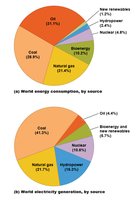
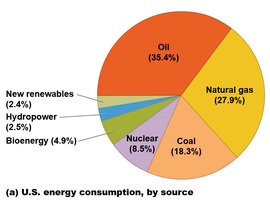
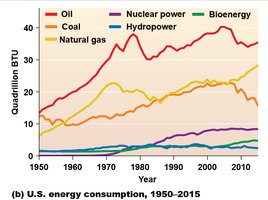
Conventional alternatives to fossil fuels are essential for reducing reliance on nonrenewable resources and mitigating climate change. The primary alternatives include nuclear power, hydroelectric power, and bioenergy. These sources contribute significantly to electricity generation but still represent a minority of total energy consumption globally and in the U.S.
Nuclear Power: Utilizes nuclear fission to generate electricity.
Hydroelectric Power: Harnesses the kinetic energy of flowing water.
Bioenergy: Derived from organic materials such as plants and waste.
Nuclear Power
Principles and Production
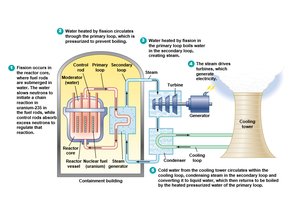
Nuclear power plants generate electricity through the process of nuclear fission, where the nucleus of uranium or plutonium atoms is split, releasing energy. This process is controlled within nuclear reactors to ensure safety and efficiency.
Nuclear Fission: The splitting of atomic nuclei, typically uranium-235, initiated by neutron bombardment, resulting in a chain reaction.
Control Mechanisms: Metal rods absorb excess neutrons to regulate the reaction and prevent overheating.
Energy Output: The fission process releases heat, which is used to produce steam that drives turbines and generates electricity.
Fuel Cycle and Sustainability
Uranium-235 is the primary isotope used in nuclear reactors. It is mined, enriched, and fabricated into fuel rods. After several years, these rods become spent and must be replaced and safely stored due to their radioactivity.
Non-renewable Resource: Uranium supplies are finite, making nuclear power a non-renewable energy source.
Waste Management: Spent fuel rods are highly radioactive and require secure, long-term storage solutions.
Benefits and Drawbacks of Nuclear Power
Benefits | Drawbacks |
|---|---|
|
|
Bioenergy
Sources and Production Methods
Bioenergy is derived from biomass, including wood, charcoal, manure, and plant material. It is widely used in developing countries and can be produced from waste products, dedicated crops, or through anaerobic digestion to generate biogas.
Renewability: Bioenergy is renewable if biomass is not overharvested.
Carbon Balance: Carbon dioxide released during combustion is offset by the carbon absorbed during plant growth, making it relatively carbon-neutral if managed sustainably.
Applications: Can be co-fired with coal, used for heating, or converted into liquid fuels.
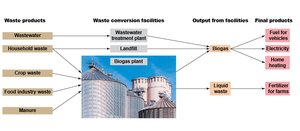
Ethanol and Biodiesel
Ethanol is produced by fermenting carbohydrate-rich crops, primarily corn in the U.S., and is often blended with gasoline. Biodiesel is made from plant oils, used cooking grease, or animal fats, with soybean oil being the main source in the U.S.
Ethanol: Significant portion of U.S. corn crop is used; energy return on investment (EROI) is low (1.3:1).
Biodiesel: Can be used in pure form or blended; reduces emissions compared to petroleum diesel.
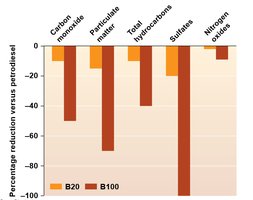
Emerging Biofuels
Algae: Certain species can produce oils for biodiesel and carbohydrates for ethanol; can utilize CO2 emissions to enhance growth.
Cellulosic Ethanol: Produced from non-food plant cellulose; higher EROI (5:1) and less competition with food resources.
Benefits and Drawbacks of Bioenergy
Benefits | Drawbacks |
|---|---|
|
|
Hydroelectric Power
Principles and Methods
Hydroelectric power harnesses the kinetic energy of flowing water, typically using dams to create reservoirs and control water flow through turbines. This method provides a steady and predictable source of electricity and accounts for a significant portion of global electricity production.
Dam-based Hydropower: Water stored in reservoirs is released to spin turbines, generating electricity.
Run-of-River: Diverts a portion of river flow through turbines without large reservoirs; less reliable due to variable stream flow.
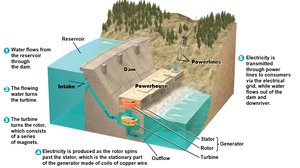
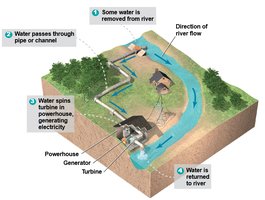
Benefits and Drawbacks of Hydropower
Benefits | Drawbacks |
|---|---|
|
|
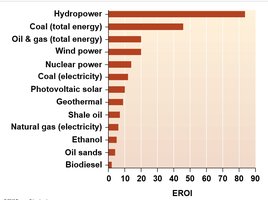
Additional info: EROI (Energy Return on Investment) is a key metric for evaluating the efficiency of energy sources. Hydropower has the highest EROI among conventional alternatives, followed by coal, oil & gas, and nuclear power.
