 Back
Back2.3 Coping with Environmental Stress: Temperature and Water in Organisms
Study Guide - Smart Notes
 Tailored notes based on your materials, expanded with key definitions, examples, and context.
Individuals Coping with Their Environment: Temperature and Water
Limits of Environmental Tolerance
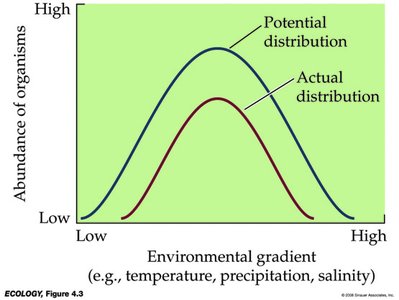
Organisms can only survive and reproduce within a specific range of environmental conditions. These limits are reflected in the geographic distribution of species, as individuals outside their tolerance range may die or fail to reproduce.
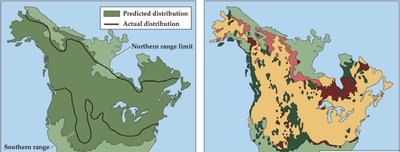
Species Distribution: The area where a species is found is determined by its environmental tolerance.
Limiting Factors: Environmental constraints, interactions with other species, and geographic barriers (such as those resulting from speciation events) restrict where populations can live.
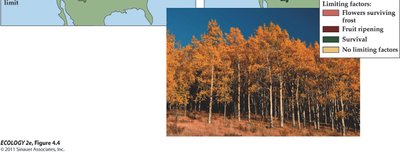
Example: The distribution of aspen trees is often smaller than predicted by environmental factors alone, due to species interactions and geographic history.
Environmental Stress
Environmental stress is any factor that decreases the rate of physiological processes, thereby lowering an organism's potential for survival, growth, or reproduction.
Examples include extreme temperatures, drought, or high salinity.
Populations and Stress: Adaptation and Ecotypes
Adaptation
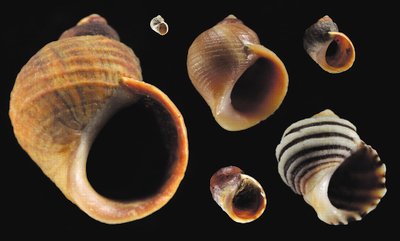
Populations can cope with environmental stress through adaptation, which involves genetic changes over generations that increase fitness in specific environments. Populations with unique adaptations to local conditions are called ecotypes.
Ecotype: A genetically distinct population adapted to its local environment.
Example: Littorina saxatilis snails from different regions show adaptations to local predators and wave action.
Acclimatization (Acclimation)
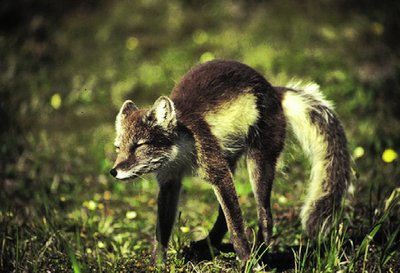
Individuals can also cope with stress through acclimatization (or acclimation), which involves short-term, reversible physiological, morphological, or behavioral changes in response to environmental change. However, acclimatization may reduce other functions, such as reproduction.
Example: Mammals growing thicker fur in winter.
Acclimatization vs. Adaptation
Acclimatization: Short-term, reversible changes in individuals.
Adaptation: Long-term, genetic changes in populations.
Tolerance and Avoidance
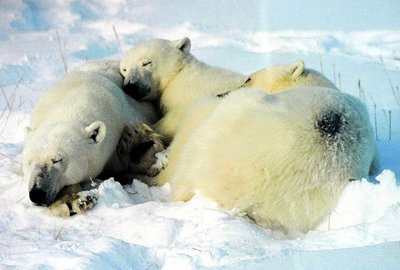
Organisms cope with environmental stress through tolerance (withstanding exposure) or avoidance (preventing damage).
Tolerance Example: Thick fur on polar bears allows them to withstand cold temperatures.
Avoidance Example: Migration of polar bears to warmer areas during winter.
Dormancy
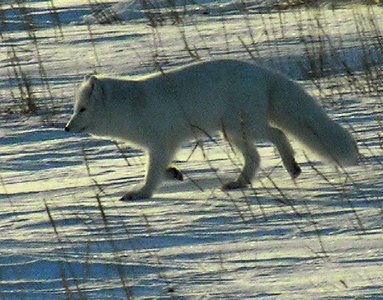
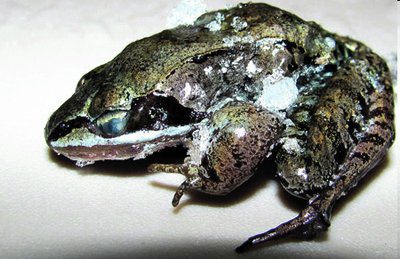
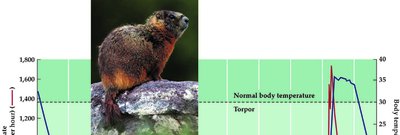
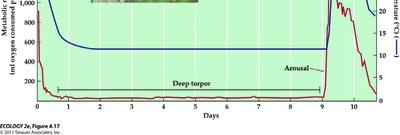
Dormancy is an extreme form of tolerance where metabolic activity is greatly reduced. During dormancy, growth and reproduction cease, which is only beneficial if conditions are unfavorable for survival.
Example: Hibernation in mammals, or freezing tolerance in some amphibians.
Temperature and Water: Importance and Regulation
Why Temperature Matters
Temperature affects the rate of chemical reactions in organisms, as enzymes have optimal temperature ranges. Extreme heat can denature enzymes, while cold slows reactions and can cause water to freeze, damaging cells. Membranes may solidify at low temperatures, and high temperatures can increase water loss.
Example: Enzyme activity peaks at an optimal temperature and declines outside this range.
How Organisms Regulate Temperature
Plants: Regulate temperature by opening/closing stomata and altering morphology for heat loss.
Animals:
Ectotherms: Rely on environmental heat sources to regulate body temperature.
Endotherms: Generate heat internally to maintain body temperature.
Surface Area to Volume Ratio
The ratio of surface area to volume affects heat exchange. A larger surface area relative to volume increases heat exchange, making it harder to maintain a constant temperature. Conversely, a smaller ratio reduces heat exchange, making it harder to warm or cool quickly.
Water: Importance and Balance
Why Water Matters
Water is essential for all organisms as it acts as a universal solvent and medium for biochemical reactions. Most organisms are composed of 60-90% water.
Osmosis and Water Balance
Water moves from areas of low to high solute concentration (osmosis) and from high to low pressure. Organisms must balance both water and solute concentrations to survive.
Example: Freshwater fish are hyperosmotic to their environment, while marine fish are hypoosmotic.
Environment | Osmotic Condition | Water Movement |
|---|---|---|
Freshwater | Hyperosmotic | Water enters organism |
Marine | Hypoosmotic | Water leaves organism |
Salt/Water Balance
Hypoosmotic: Organism has lower solute concentration than environment (marine fish).
Hyperosmotic: Organism has higher solute concentration than environment (freshwater fish).
Water Conservation Strategies
Single-celled organisms: Require moist environments, may enter dormant stages, or adjust osmotic balance.
Plants: Conserve water by opening stomata at night, having waxy leaves, developing extensive roots, or forming relationships with mycorrhizae.
Animals: Adaptations include exoskeletons (insects), thick skin (reptiles), hair or feathers (mammals and birds), and behavioral avoidance (nocturnal activity).
Case Study: Kangaroo Rats
Convert fats into water and carbohydrates.
Consume water-rich foods when available.
Are only active at night to reduce water loss.
Produce highly concentrated urine to conserve water.
Tradeoffs in Water Conservation
Sweat glands help with cooling but require water.
Tough or thick skin may inhibit gas exchange.
Behavioral avoidance may reduce feeding time, slowing growth.
Summary Table: Strategies for Coping with Environmental Stress
Strategy | Description | Example |
|---|---|---|
Adaptation | Genetic change over generations | Ecotypes of snails |
Acclimatization | Short-term, reversible change | Thicker fur in winter |
Tolerance | Withstand exposure | Polar bear fur |
Avoidance | Prevent damage | Migration |
Dormancy | Reduced metabolic activity | Hibernation |
