 Back
Dairy Cattle Biology: Life Stages, Health, and Management
Study Guide - Smart Notes
 Tailored notes based on your materials, expanded with key definitions, examples, and context.
Dairy Cattle Biology and Management
Key Life Stages of Dairy Cows
Dairy cattle undergo several distinct life stages, each with unique biological and management needs. Understanding these stages is essential for optimizing health, productivity, and economic return in dairy operations.
Birth: Calves are born and require immediate care, especially regarding nutrition and disease prevention.
Pre-weaning (0-8 weeks): Calves are fed a milk-based diet and gradually introduced to solid feed.
Weaning to Breeding (8 weeks-14 months): Focus on growth and health to prepare for reproduction.
Breeding (12-14 months): Heifers are bred, often via artificial insemination, to initiate their first lactation cycle.
First Calving (~24 months): Heifers give birth and begin milk production.
Lactation and Reproduction Cycles: Cows alternate between periods of milk production and gestation.
Daily Activities of Dairy Cows
Dairy cows spend their day in a routine that supports their health and milk production. Proper management of these activities is crucial for welfare and productivity.
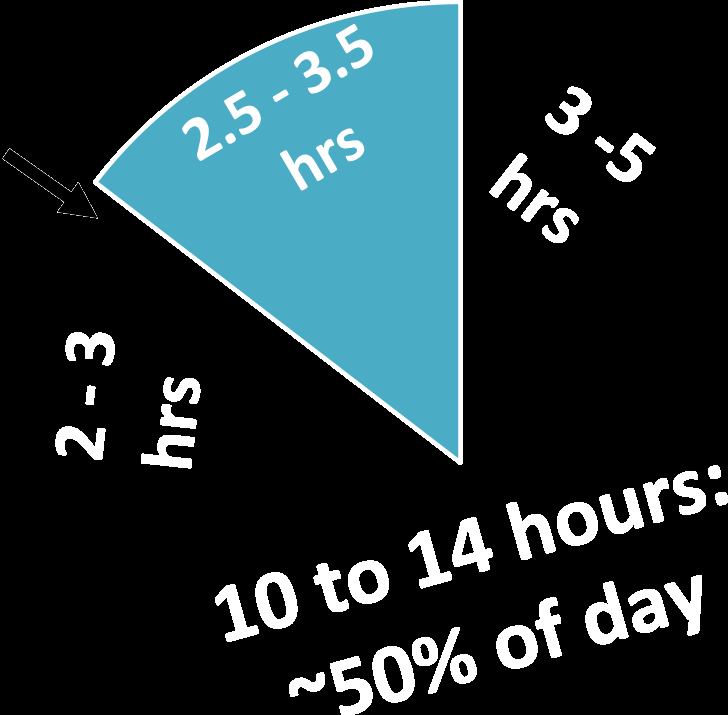
Drinking: Cows require access to clean water throughout the day.
Milking: Occurs 2-3 times daily, depending on farm protocol.
Eating: Cows spend several hours consuming feed to meet their nutritional needs.
Standing/Walking: Necessary for exercise and accessing resources.
Resting: Cows rest for 10-14 hours per day, which is essential for rumination and overall health.
Neonatal Calf Care
Birth and Immediate Postnatal Care
Newborn calves are highly susceptible to disease and require prompt intervention to ensure survival and long-term productivity.
Colostrum Feeding: Calves must receive high-quality colostrum within 2-4 hours of birth to acquire passive immunity via maternal antibodies.
Volume, Quality, and Timing: Adequate intake of colostrum is critical; delays or insufficient feeding increase disease risk and mortality.
Separation from Dam: Calves are often removed from the mother to prevent disease transmission and allow for individual care.
Individual Housing: Reduces disease spread and allows for close monitoring.
Sex Determination: The fate of the calf (dairy or beef production) is determined by sex.


Colostrum Management and Immunity
Colostrum is the first milk produced after birth, rich in immunoglobulins (antibodies) that provide passive immunity to the calf.
Immunity Transfer: Early and sufficient colostrum feeding maximizes immunity transfer and reduces calf mortality.
Maternal Antibodies: These antibodies protect the calf until its own immune system matures.
Vaccination Timing: Vaccinating too early can result in maternal antibodies neutralizing the vaccine; optimal timing is around 6 weeks of age.

Pre-Weaning Calf Management (0-8 Weeks)
Nutrition and Housing
Proper nutrition and housing are essential for calf growth and health during the pre-weaning period.
Milk-Based Diet: Calves are fed milk replacer or pasteurized waste milk (though waste milk is discouraged due to disease risk).
Starter Grain: Introduced to promote rumen development.
Housing: Can be individual (for disease control) or group (for socialization), but must be clean and dry.
Weaning: Occurs at ~8 weeks, transitioning calves to solid feed.
Labor and Cost: This stage is the most labor-intensive and costly in the dairy life cycle.


Technology in Calf Rearing
Modern dairy farms increasingly use technology to improve calf health and reduce labor.
Robotic Milk Replacer Feeders: Automate feeding and monitor intake.
Group Pens: Allow for socialization and more natural behaviors.


Common Health Issues in Calves
Young calves are vulnerable to several diseases, with scours (diarrhea) and pneumonia being the most significant threats.
Scours (Diarrhea): Causes dehydration, loss of appetite, and weakness; cleanliness and vaccination are key preventive measures.
Pneumonia: Linked to poor ventilation and drafts; prevention includes proper housing and vaccination.
Anti-toxin Treatments: Used to treat scours, sometimes administered alongside maternal antibodies.
Post-Weaning to Breeding (8 Weeks to 14 Months)
Growth and Group Housing
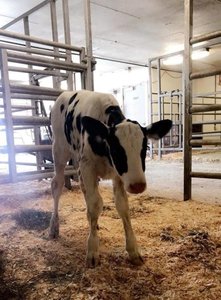
After weaning, calves are housed in groups and managed to ensure steady growth and health.
Group Housing: Calves are grouped by size for optimal management.
Growth Targets: Aim for 1.8–2.0 lbs (0.8–0.9 kg) average daily gain.
Pasture or Barn Pens: Used depending on farm resources and climate.
Management and Cleanliness: Critical for disease prevention and optimal growth.
Breeding and Reproductive Management
Heifers are bred at 12–14 months of age, with the goal of calving at around 24 months. Proper timing impacts farm efficiency and profitability.
Artificial Insemination (AI): Commonly used for genetic improvement and reproductive management.
Breeding Age: Heifers not pregnant by 14 months may be culled or redirected to beef production.
Lactation, Health, and Reproduction in Adult Cows
Lactation Cycle and Dietary Needs
The stage of lactation influences a cow's dietary requirements and disease risk. Proper management during each stage is essential for health and productivity.
Fresh Period: Immediately after calving, cows are at highest risk for health issues and leaving the herd.
Dry Period: Lasts 60 days before calving; cows are not milked and gain body reserves.
Rebreeding: Typically occurs 80–85 days after calving to maintain a 14-month calving interval.
Major Health Issues in Dairy Cows
Several diseases and conditions can impact dairy cow health, productivity, and longevity.
Mastitis: Inflammation of the mammary gland, leading to poor milk quality and economic losses. Subclinical mastitis requires laboratory testing for detection.
Lameness: Often caused by poor walking surfaces, hygiene, or nutrition; prevention is more effective than treatment.
Infertility: Major reason for culling; impacts herd replacement rates and farm profitability.
Nutrition and Economic Considerations
Nutrition is a major cost in dairy production, directly affecting milk yield, quality, and cow health.
Ration Formulation: Balances macro- and micronutrients to support lactation and reproduction.
Feed Costs: Can account for up to 60% of variable costs on a dairy farm.
Reproductive Strategies and Genetic Selection
Efficient reproduction and genetic improvement are key to dairy herd productivity and profitability.
Estrous Cycle Management: Understanding and manipulating the estrous cycle allows for timed artificial insemination and embryo transfer.
Genomic Selection: Uses DNA markers (SNPs) to predict genetic potential for desirable traits.
Traditional Selection: Based on measuring traits in daughters and selecting superior animals for breeding.
Body Condition Scoring (BCS)
BCS is a visual assessment of fat reserves, used to monitor nutritional status and health.
Scoring System: Based on the appearance of hooks, pins, and other anatomical landmarks.
Interpretation: Low BCS indicates undernutrition; high BCS may signal risk for metabolic diseases like ketosis or fatty liver.
Summary Table: Key Life Stages and Management Practices
Life Stage | Key Management Practices | Major Health Risks |
|---|---|---|
Birth | Colostrum feeding, separation from dam, individual housing | Failure of passive transfer, infection |
Pre-weaning (0-8 weeks) | Milk-based diet, starter grain, vaccination, clean housing | Scours, pneumonia |
Weaning to Breeding (8 weeks-14 months) | Group housing, growth monitoring, pasture/barn pens | Growth disorders, respiratory disease |
Breeding (12-14 months) | Artificial insemination, reproductive management | Infertility, culling |
Lactation | Balanced nutrition, disease monitoring, rebreeding | Mastitis, lameness, metabolic disease |
