 Back
Defense & Immunity in Animals: Innate and Adaptive Immune Responses
Study Guide - Smart Notes
 Tailored notes based on your materials, expanded with key definitions, examples, and context.
Defense & Immunity in Animals
Introduction to Immunity
The immune system is a critical physiological mechanism that protects animals from pathogens and maintains homeostasis. It distinguishes self from non-self, preventing infection and disease. Immunity is achieved through a combination of innate and adaptive responses, each with distinct characteristics and functions.
Physiological Challenge of Immunity
Animals face constant threats from a wide variety of pathogens, including viruses, bacteria, protists, fungi, and parasitic worms. The immune system must recognize and eliminate these threats while avoiding damage to self tissues.
Pathogen: An organism or virus that causes disease.
Parasite: An organism that feeds on cell contents, tissues, or body fluids of another species (the host), causing harm but usually not killing the host.
Host Defenses: Include physiological (immune systems), morphological (body surfaces), behavioral (social avoidance), and life history adaptations.
Example: Pathogens can be microscopic (viruses, bacteria) or macroscopic (worms).
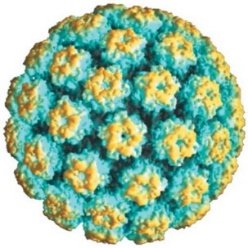
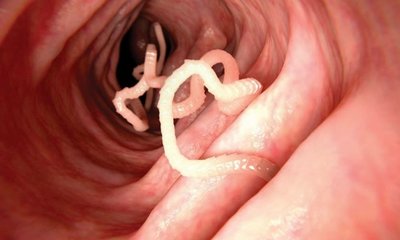
Pathogen Diversity and Host Targets
Pathogens can invade various host compartments:
Cavity space parasites: Gut, ducts, blood vessels
Tissue parasites: Toxin releasing, encysting
Intracellular parasites: Cells of organs, red blood cells, white blood cells
Host defenses must be versatile to address these diverse threats.
How Pathogens Spread
Direct contact
Airborne transmission
Waterborne transmission
Animal vectors
Parasite Evolutionary Responses
Parasites and pathogens evolve mechanisms to evade host immunity, such as camouflage, cell entry, immune inactivation, and host manipulation. This leads to a co-evolutionary "arms race" between host and pathogen.
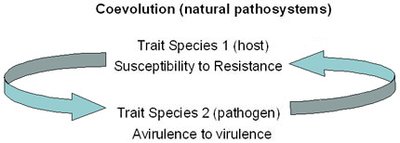
Overview of Animal Physiological Immunity
Innate Immunity
Innate immunity is the first line of defense, present in all animals. It provides rapid, non-specific responses to pathogens.
Barrier defenses: Skin, mucous membranes, secretions
Internal defenses: Phagocytic cells, natural killer cells, antimicrobial proteins, inflammatory response
Recognition: Traits shared by broad ranges of pathogens, using a small set of receptors
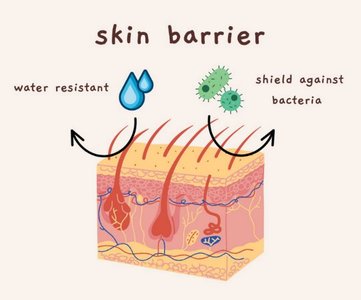
Innate Immunity: Example 1 - Mammal Local Inflammatory Response
Local inflammation is a rapid response to infection or injury.
Recognition: Macrophages and mast cells use Toll-like receptors (TLRs) to detect pathogens.
Signaling: Cytokines attract neutrophils; histamine increases capillary permeability.
Effect: Phagocytosis by macrophages and neutrophils; release of antimicrobial peptides.
Innate Immunity: Example 2 - Insect vs. Virus (Intracellular)
Insects use specialized enzymes to combat viral infections.
Recognition: Dicer-2 enzyme detects viral dsRNA.
Signaling: dsRNA fragments signal the presence of virus.
Effect: Argo protein binds ssRNA and targets viral mRNA for destruction.
Adaptive Immunity (Vertebrates Only)
Overview
Adaptive immunity is specific to particular pathogens and is slower to respond. It relies on a vast array of receptors and provides long-term protection.
Humoral response: Antibodies defend against infection in body fluids (B cells).
Cell-mediated response: Cytotoxic cells defend against infection in body cells (T cells).
Recognition: Traits specific to a particular pathogen.
Lymphocyte Types
B cells: Mediate humoral immunity by producing antibodies.
T cells: Mediate cell-mediated immunity by attacking infected cells.
Adaptive Immunity: Humoral Response
B cells recognize antigens and produce antibodies. Each B cell is specific to a unique epitope.
Recognition: Membrane-bound receptors bind to antigen at epitope.
Signaling: B cell multiplies, creating plasma B cells.
Effect: Plasma B cells secrete antibodies; memory B cells are formed.
Antibody Diversity: Generated by recombination of light and heavy chain genes, resulting in millions of possible specificities.
Adaptive Immunity: Cell-Mediated Response
T cells recognize antigens presented by host cells with MHC proteins.
Recognition: Helper T cell binds to MHC/antigen complex.
Signaling: Helper T cell activates cytotoxic T cells.
Effect: Cytotoxic T cells attack infected host cells; memory T cells are formed.
Safeguards in Immune Responses
Humoral response: Antibodies are specific to non-self antigens, preventing attack on body cells.
Cell-mediated response: Cytotoxic T cells require antigen presentation with MHC to avoid destroying healthy cells.
Long-Term Immunity & Immunization
Immunological Memory
Adaptive immunity creates memory cells that enable a faster and stronger response upon re-exposure to the same antigen.
Memory B cells
Memory helper T cells
Memory cytotoxic T cells
The secondary immune response is more effective and rapid than the primary response.
Vaccines
A vaccine is a preparation of antigens from a pathogen that stimulates the immune system to develop memory cells without causing disease. This provides long-term protection against future infections by the same pathogen.
Summary Table: Innate vs. Adaptive Immunity
Feature | Innate Immunity | Adaptive Immunity |
|---|---|---|
Specificity | Broad, non-specific | Highly specific |
Response Time | Rapid (minutes to hours) | Slower (days) |
Memory | None | Present (memory cells) |
Cell Types | Phagocytes, NK cells | B cells, T cells |
Examples | Skin, inflammation | Antibody production, cytotoxic T cell response |
Mini-Quiz Example Questions
Which of these is mismatched? (A. Bacteria: pathogen, B. Tape worm: pathogen, C. Virus: pathogen, D. Liver fluke: parasite, E. None is mismatched)
Physiological immune response in animals is based on: (A. Recognition of bacteria vs. viruses, B. Recognition of self vs. non-self, C. Recognition of pathogens vs. parasites, D. Recognition of internal vs. external pathogens)
Which of these is an example of an adaptive immune response? (A. Inflammation, B. Mucous secretions, C. Antibody production, D. Antimicrobial proteins)
Receptors bind to the _______ of the pathogen. (A. Antigen, B. Epitope, C. Antibody, D. Cytotoxin)
Additional info:
These notes are based on Campbell Biology Chapter 43 and cover the learning objectives for defense and immunity in animals, including the distinction between innate and adaptive immunity, examples of immune responses, and the principles of immunological memory and vaccination.
