 Back
ch 37
Study Guide - Smart Notes
 Tailored notes based on your materials, expanded with key definitions, examples, and context.
Defenses Against Disease
Introduction
The human body is constantly exposed to a wide variety of microbes, some of which are pathogenic and can cause disease. To protect itself, the body has evolved a complex immune system with multiple lines of defense, ranging from physical barriers to highly specific adaptive responses. This chapter explores the mechanisms of immunity, the cells and molecules involved, and what happens when the immune system malfunctions.
Three Lines of Defense
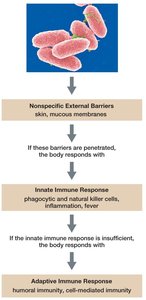
Overview of Immune Defenses
Nonspecific External Barriers: Physical and chemical barriers such as skin and mucous membranes that prevent pathogen entry.
Innate Immune Response: Rapid, nonspecific responses including phagocytic cells, inflammation, and fever.
Adaptive Immune Response: Highly specific responses involving lymphocytes (B cells and T cells) that recognize and remember specific pathogens.
Nonspecific Defenses
External Barriers
The first line of defense consists of anatomical and chemical barriers that prevent pathogens from entering the body.
Skin: Acts as a physical barrier; produces secretions (sweat, sebum) containing natural antibiotics like lactic acid.
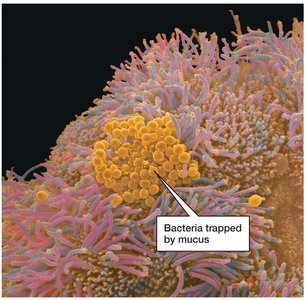
Mucous Membranes: Line the digestive, respiratory, and urogenital tracts; secrete mucus that traps microbes.
Microbiome: Harmless microbes on the skin and in the gut outcompete pathogens.
Internal Nonspecific Defenses
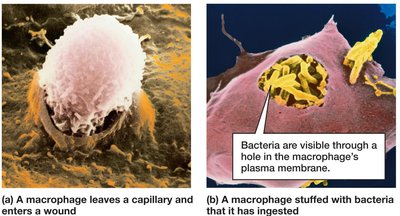
Phagocytes: White blood cells (macrophages, neutrophils, dendritic cells) that engulf and destroy pathogens.
Natural Killer Cells: Destroy virus-infected and cancerous cells by recognizing abnormal or missing MHC proteins.
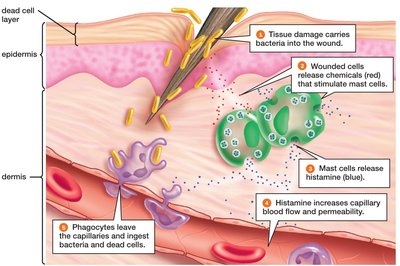
Inflammatory Response: Tissue damage triggers mast cells to release histamine, increasing blood flow and attracting phagocytes.
Fever: Pyrogens raise body temperature, enhancing immune cell activity and inhibiting pathogen growth.
Adaptive (Specific) Immunity
Key Components
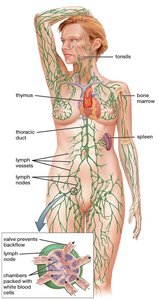
The adaptive immune system is characterized by specificity and memory. It involves specialized lymphocytes and is distributed throughout the body in organs such as the bone marrow, thymus, spleen, lymph nodes, and tonsils.
B cells: Mature in bone marrow; produce antibodies.
T cells: Mature in thymus; include helper T cells, cytotoxic T cells, and regulatory T cells.
Antigen-presenting cells: Macrophages and dendritic cells that display antigens to lymphocytes.
Proteins: Cytokines (cell signaling), antibodies (recognition and neutralization), and complement proteins (assist in killing microbes).
Recognition of Invaders
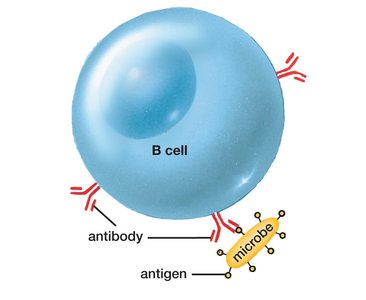
Antigens: Large, complex molecules (often proteins or polysaccharides) that trigger immune responses.
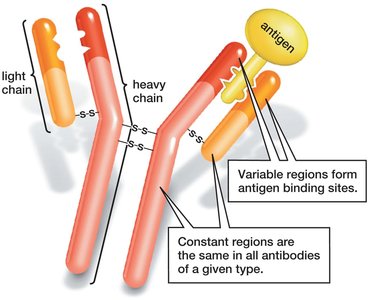
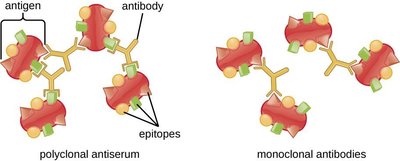
Antibodies: Y-shaped proteins produced by B cells; each has unique variable regions that bind specific antigens.
T-cell Receptors: Proteins on T cells that recognize antigens presented by other cells.
Types of Antibodies
IgG: Most common in blood; crosses placenta.
IgA: Found in secretions (saliva, milk, mucus).
IgM: First produced in response; pentameric structure.
IgE: Involved in allergic reactions.
IgD: Functions as a B-cell receptor.
Self vs. Non-Self Recognition
MHC Proteins: Unique to each individual; help immune cells distinguish self from non-self.
Clonal Deletion: Self-reactive B and T cells are eliminated during development.
Regulatory T Cells: Suppress any remaining self-reactive lymphocytes.
Immune Responses
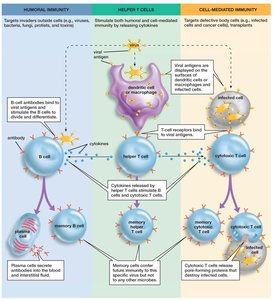
Humoral Immunity (Antibody-Mediated)
B cells produce antibodies that circulate in body fluids and bind to antigens on pathogens, neutralizing them or marking them for destruction.
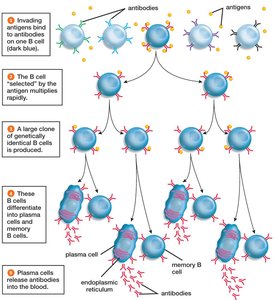
Clonal Selection: Antigen binding stimulates B cells to divide and differentiate into plasma cells (antibody-secreting) and memory B cells.
Antibody Actions:
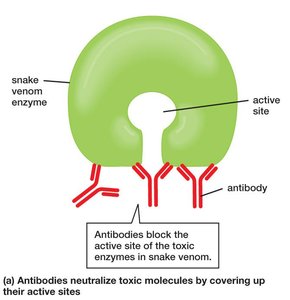
Neutralization: Antibodies block active sites of toxins or viruses.
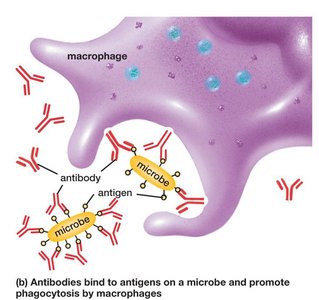
Opsonization: Antibodies coat pathogens, enhancing phagocytosis.
Complement Activation: Antibodies trigger complement proteins to lyse pathogens.
Cell-Mediated Immunity
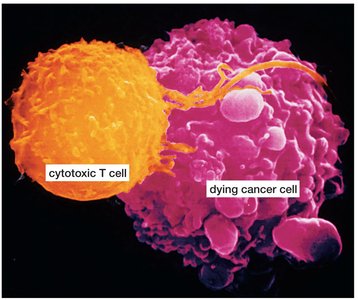
Cytotoxic T cells recognize and destroy infected or cancerous cells by binding to antigens presented on their surfaces and releasing enzymes that induce cell death.
Helper T Cells: Stimulate both B cells and cytotoxic T cells by releasing cytokines.
Immunological Memory
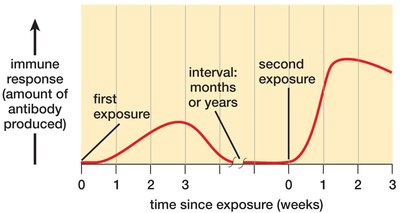
After an infection, memory B and T cells persist in the body, enabling a faster and stronger response upon re-exposure to the same pathogen. This is the basis for acquired immunity and vaccination.
Medical Assistance to Immunity
Antimicrobial Drugs and Vaccines
Antibiotics: Kill or inhibit bacteria, but are ineffective against viruses.
Antiviral Drugs: Target specific stages of viral replication.
Vaccines: Expose the immune system to antigens, generating memory cells and long-term immunity without causing disease.
Immune System Malfunctions
Allergies
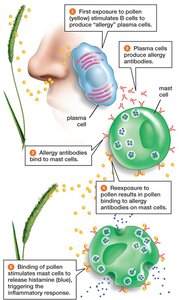
Allergies are inappropriate immune responses to harmless substances (allergens). IgE antibodies bind to mast cells, which release histamine upon allergen exposure, causing inflammation and symptoms such as sneezing and congestion.
Autoimmune Diseases
Autoimmunity: The immune system attacks the body's own cells (e.g., type 1 diabetes, rheumatoid arthritis, multiple sclerosis).
Treatment: Immunosuppressive drugs can reduce symptoms but increase susceptibility to infections.
Immune Deficiency Diseases
Genetic Deficiencies: Such as severe combined immune deficiency (SCID), where few or no immune cells are produced.
Acquired Deficiencies: Caused by factors like HIV infection, chemotherapy, or malnutrition.
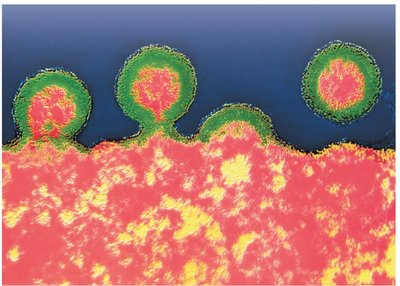
AIDS: Caused by HIV, which destroys helper T cells, crippling both humoral and cell-mediated immunity.
Immune System and Cancer
Immune Surveillance and Cancer
Recognition: Natural killer cells and cytotoxic T cells can detect and destroy cancerous cells by recognizing abnormal surface proteins.
Immune Evasion: Some cancer cells avoid detection by not displaying recognizable antigens.
Immunotherapy
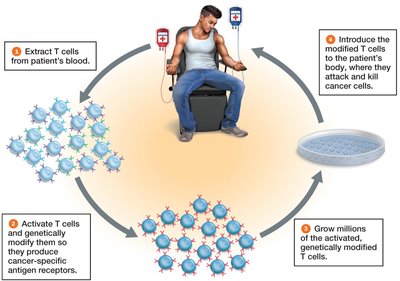
CAR-T Cell Therapy: Patient's T cells are genetically engineered to target cancer cells and reintroduced to the body.
Checkpoint Inhibitors: Drugs that block proteins which restrain T cell activity, enhancing immune attack on tumors.
Oncolytic Viruses: Viruses engineered to infect and kill cancer cells.
Comparative Summary Tables
Innate vs. Adaptive Immunity
Characteristic | Innate Immune Response | Adaptive Immune Response |
|---|---|---|
Specificity of response | Nonspecific | Specific for particular microbes |
Speed of first response | Immediate | Delay of several days to 2 weeks |
Magnitude of second response | Identical to first | Enormously enhanced; usually no symptoms |
Distribution | Invertebrates and vertebrates | Vertebrates only |
Cellular Arsenal Against Disease
Type of Cell | Function |
|---|---|
Neutrophils | Engulf invading microbes (innate) |
Dendritic cells | Engulf microbes, present antigens (innate) |
Macrophages | Engulf microbes, present antigens (innate) |
Natural killer cells | Destroy infected or cancerous cells (innate) |
Mast cells | Release histamine, inflammation (innate) |
B cells | Produce antibodies (adaptive) |
Memory B cells | Provide future immunity (adaptive) |
Plasma cells | Secrete antibodies (adaptive) |
T cells | Regulate or kill infected/cancerous cells (adaptive) |
Cytotoxic T cells | Destroy infected/cancerous cells (adaptive) |
Helper T cells | Stimulate B and cytotoxic T cells (adaptive) |
Memory T cells | Provide future immunity (adaptive) |
Regulatory T cells | Suppress self-reactive lymphocytes (adaptive) |
