 Back
BackDescent with Modification: A Darwinian View of Life – Study Notes
Study Guide - Smart Notes
 Tailored notes based on your materials, expanded with key definitions, examples, and context.
Descent with Modification: A Darwinian View of Life
Introduction to Evolutionary Thought
Evolutionary biology explores how life changes over time, focusing on the mechanisms that drive diversity and adaptation. The concept of 'descent with modification' underpins modern evolutionary theory, emphasizing that all species are related through common ancestry and have diverged over time through natural processes.
Historical Perspectives on Evolution
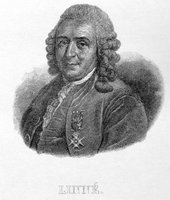
Carolus Linnaeus (1707–1778): Developed the binomial naming system and a hierarchical classification of organisms, but did not attribute these patterns to evolutionary relationships.
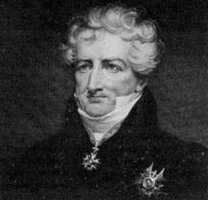
Georges Cuvier (1769–1832): Founder of paleontology, first to accept extinction as a real phenomenon, but opposed the idea of evolution.
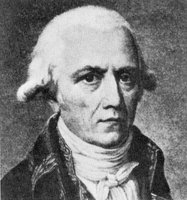
Jean-Baptiste Lamarck (1744–1829): Proposed the first mechanism for evolution, suggesting organisms have an innate drive toward complexity and that acquired traits could be inherited.
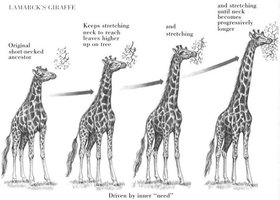
Additional info: Lamarck's mechanism (inheritance of acquired characteristics) was later disproven, but he was important for introducing the idea that species change over time.
Charles Darwin and the Voyage of the Beagle
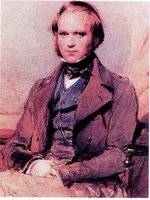
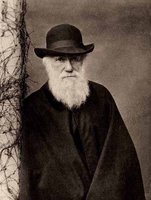
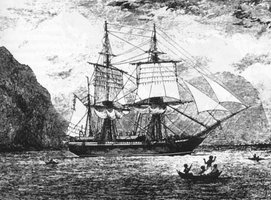
Charles Darwin (1809–1882) was recommended for a survey expedition on the HMS Beagle, which circumnavigated the globe from 1831 to 1836. Darwin collected extensive observations of plants, animals, and fossils, particularly in South America and the Galápagos Islands.
The Galápagos Islands
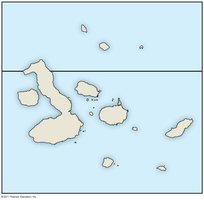
The Galápagos Islands provided unique examples of adaptation, where organisms were similar to mainland forms but had diverged to fit local environments. This led Darwin to consider how adaptations arise and the role of natural selection.
Adaptations and Natural Selection
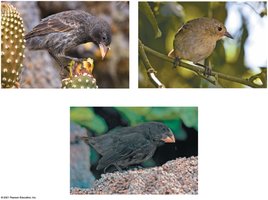
Adaptations are inherited characteristics that enhance an organism's survival and reproduction in specific environments. Darwin observed that beak shapes in Galápagos finches were adapted to different diets, illustrating how natural selection shapes traits.
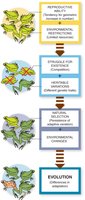
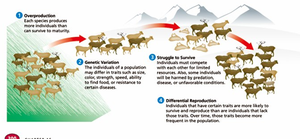
Natural Selection: The process by which individuals with advantageous traits survive and reproduce more successfully, leading to the accumulation of those traits in the population over generations.
Key Points:
Variation exists within populations.
More offspring are produced than can survive.
Traits that enhance survival and reproduction become more common.
Wallace and the Origin of Species
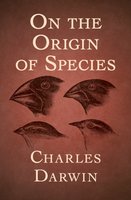
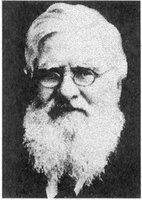
Alfred Russel Wallace independently developed a theory of natural selection. In 1858, Wallace's manuscript and Darwin's earlier essay were presented together, prompting Darwin to publish On the Origin of Species in 1859.
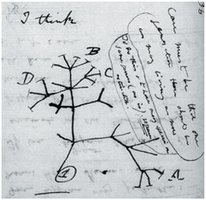
Darwin’s Theory: The Tree of Life
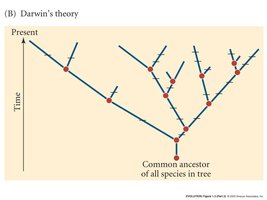
Darwin used the metaphor of a branching tree to represent the history of life, with all species diverging from common ancestors. Extinct lineages help explain gaps between related groups.
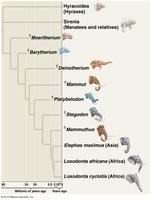
Example: Filling in Gaps
Modern elephants are most closely related to hyraxes and sirenians, as shown by fossil records and anatomical comparisons.
Evidence for Evolution
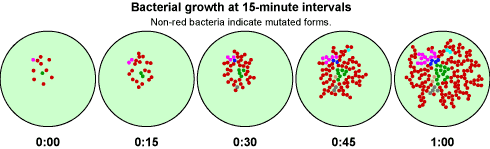
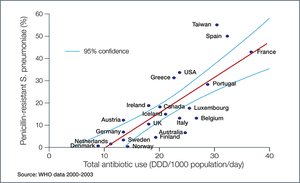
1. Direct Observation: Evolution and Medicine
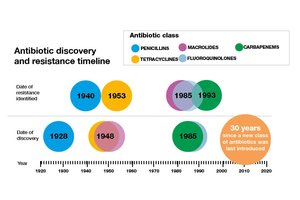
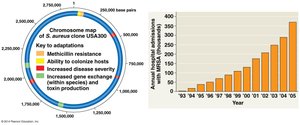
Antibiotic resistance in bacteria is a modern example of evolution in action. Despite the use of antibiotics, disease-causing bacteria have not been eliminated due to the rapid evolution of resistance.
2. Artificial Selection
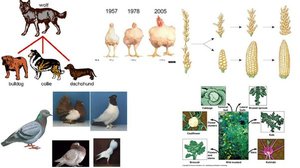
Humans have produced large changes in species over short periods through artificial selection, such as in dog breeds and crops. This demonstrates the power of selection to shape traits.
3. Homology
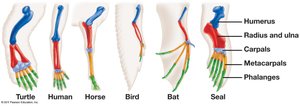
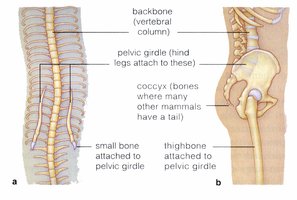
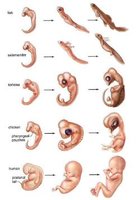
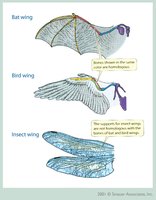
Homologous structures are anatomical features in different species that are similar due to shared ancestry. Vestigial structures are remnants of features that served important functions in ancestors.
4. Convergent Evolution (Analogy)
Convergent evolution occurs when unrelated species evolve similar traits independently, often due to similar environmental pressures. These traits are called analogous or homoplastic.
5. Fossil Record
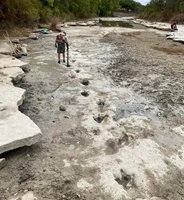
The fossil record documents important evolutionary transitions, such as the transition from land to sea in cetacean ancestry. Fossils provide direct evidence of descent with modification.
6. Biogeography
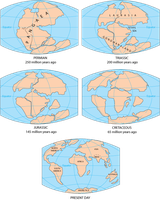
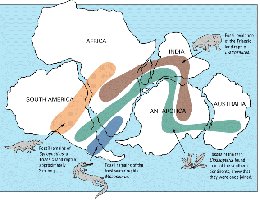
Understanding continental drift and the distribution of species helps explain evolutionary history. Endemic species are found only in specific locations, often due to isolation and unique evolutionary paths.
Mechanisms and Dynamics of Natural Selection
Population: The smallest unit capable of evolving, consisting of interbreeding individuals in a shared geographic area.
Natural Selection: Acts on heritable variation; individuals do not evolve, but populations do over generations.
Fitness: The ability to survive and reproduce, contributing genes to the next generation.
Variation: Arises by chance (e.g., mutation), but natural selection is not random; it is driven by environmental pressures.
Modern Examples of Evolution
Drug-Resistant Bacteria: Staphylococcus aureus evolved resistance to penicillin within a few years of its introduction.
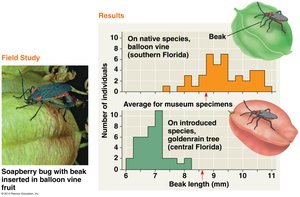
Soapberry Bugs: Changes in beak length in response to new food sources demonstrate rapid adaptation.
Limits and Trade-Offs in Adaptation
Not all traits are adaptive, and evolutionary history constrains the types of traits that can develop. Selection acts on many traits simultaneously, leading to fitness trade-offs.
Review and Important Concepts
Fitness is the relative ability to survive and reproduce.
Evidence for evolution includes homology, the fossil record, and biogeography.
Natural selection drives adaptation and population dynamics, but only heritable traits are subject to evolutionary change.
