 Back
Development, Stem Cells, and Cancer: An Overview of Multicellular Development in Animals and Plants
Study Guide - Smart Notes
 Tailored notes based on your materials, expanded with key definitions, examples, and context.
Development, Stem Cells, and Cancer
Overview of Development
Development in multicellular organisms involves a series of tightly regulated processes that transform a single cell into a complex organism. These processes include cell division, differentiation, cell signaling, movement, and programmed cell death.
Cell Division: The timing and location of cell division are crucial for proper development and are regulated by checkpoints and social control mechanisms. Mitosis ensures that cells divide accurately and at the correct time.
Cell Differentiation: The process by which cells become specialized for specific functions. Cell fate refers to the final differentiated state a cell will achieve.
Stem Cells: Undifferentiated cells capable of giving rise to various cell types. In plants, meristems are regions containing stem cells that allow continuous growth. In animals, stem cells are essential for tissue repair and immune system function.
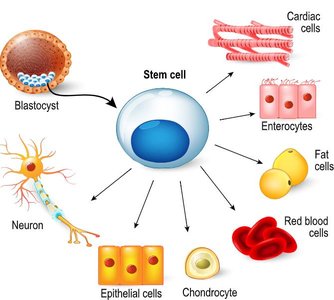
Cell-Cell Interactions: Cells communicate through signaling to coordinate movement, division, differentiation, and apoptosis. Differentiated cells can induce changes in neighboring cells.
Cell Movement: Some animal cells migrate or rearrange during development, while plant cells expand to change shape.
Programmed Cell Death (Apoptosis): A regulated process that removes unnecessary or damaged cells, essential for shaping tissues and organs.

Differential Gene Expression and Pattern Formation
Cell differentiation is driven by differential gene expression, not by changes in the genetic code. Chemical signals and regulatory proteins modulate gene expression at multiple levels, including transcription, RNA splicing, translation, and post-translational modification.
Genetic Equivalence: All cells in an organism contain the same DNA; differences arise from gene expression patterns.
Pattern Formation: The spatial and temporal organization of cell fates, controlled by morphogens—molecules that form concentration gradients and provide positional information to cells.
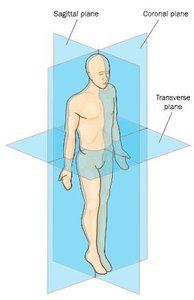
Body Axes: Major axes include anterior-posterior (head-tail), dorsal-ventral (back-belly), and left-right.
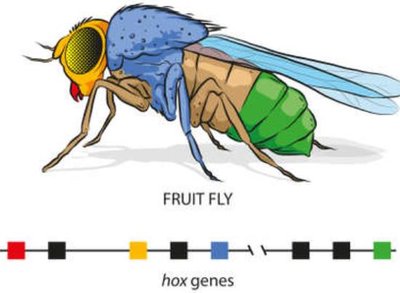
Gene Regulatory Hierarchy: Developmental genes act in a cascade: maternal coordinate genes → gap genes → pair-rule genes → segment polarity genes → Hox genes → effector genes.
Tool-kit Genes: A small set of highly conserved genes, including homeotic genes and Hox genes, control body plan development across animals.
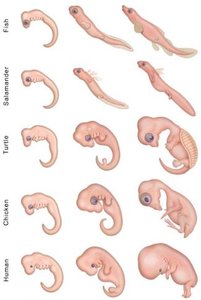
Evolutionary Conservation: Many developmental processes and genes are conserved across animal species, linking development to evolution.
Animal Development
Fertilization
Fertilization is the fusion of sperm and egg to form a zygote, typically occurring in the fallopian tube. The acrosome reaction allows sperm to penetrate the egg, and membrane changes prevent polyspermy. The cortical reaction triggers the completion of meiosis in the egg.
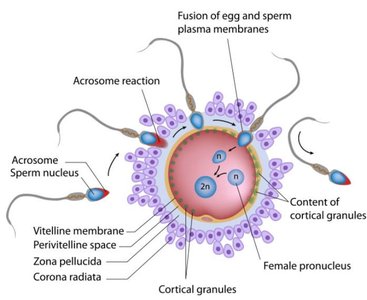
Cleavage and Blastulation
After fertilization, the zygote undergoes rapid mitotic divisions (cleavage), forming a morula (solid ball of cells) and then a blastula (hollow ball of cells). In mammals, the blastula is called a blastocyst, with an inner cell mass that forms the embryo and a trophoblast that forms extraembryonic tissues.
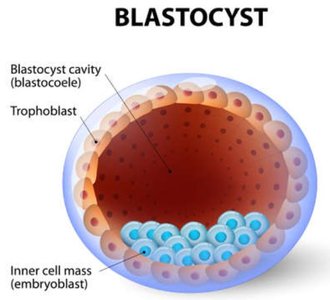
Cytoplasmic Determinants: Regulatory molecules unevenly distributed in the egg influence cell fate during early divisions.
Implantation and Gastrulation
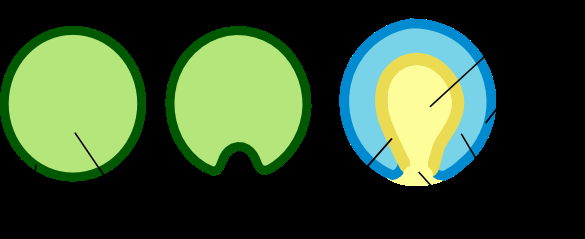
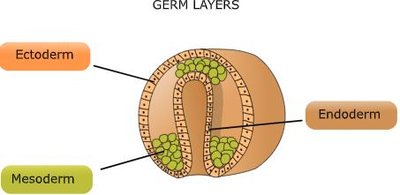
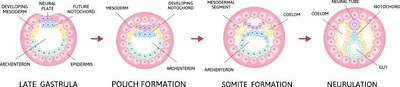
The blastocyst implants in the uterus, secreting hCG to maintain hormone levels. Gastrulation reorganizes the embryo into three germ layers: ectoderm, mesoderm, and endoderm, establishing the body plan and axes.
Germ Layer | Major Derivatives |
|---|---|
Ectoderm | Nervous system, skin, eyes, inner ear |
Mesoderm | Muscles, bones, blood, gonads, kidneys |
Endoderm | Digestive tract lining, liver, pancreas, lungs |
Organogenesis and Neurulation
Organogenesis is the formation of organs from the three germ layers. Neurulation forms the nervous system: the notochord induces the ectoderm to form the neural tube, which becomes the brain and spinal cord. Somites, derived from mesoderm, give rise to muscles and vertebrae.
Plant Development
Embryogenesis and Germination
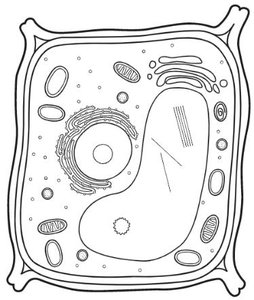
Plant development begins with embryogenesis, where the fertilized ovule forms a seed containing the embryo. Unlike animal cells, plant cells do not migrate; instead, they expand and differentiate in place. Germination is the process by which a seed develops into a seedling.
Plant Body Axes and Meristems
Plants have two main axes: the apical-basal axis (root to shoot) and the radial axis (center to periphery). Meristems are regions of undifferentiated cells that allow lifelong growth at the tips of roots and shoots.
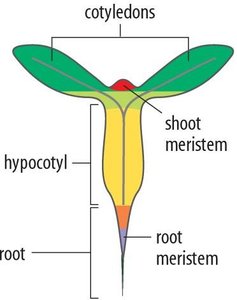
Shoot Apical Meristem (SAM): Produces leaves, flowers, and stems.
Root Apical Meristem (RAM): Produces roots.
Plant Tissue Differentiation
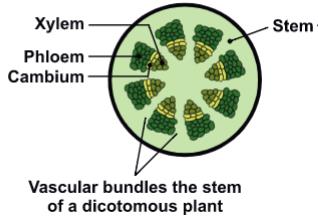
During development, plant tissues differentiate along the radial axis into three main types:
Epidermis (Dermal Tissue): Protective outer layer.
Ground Tissue: Functions in photosynthesis, storage, and support.
Vascular Tissue: Xylem and phloem for transport of water, nutrients, and food.
Tissue Type | Main Function |
|---|---|
Epidermis | Protection |
Ground Tissue | Photosynthesis, storage, support |
Vascular Tissue | Transport of water and nutrients |
Auxin: A plant hormone (morphogen) that provides positional information and regulates growth and development.
Dedifferentiation: Some plant cells can revert to a less specialized state and become different cell types, a property not common in animal cells.
