 Back
BackDigestive Malfunctions: Gastric Ulcers, Irritable Bowel Syndrome, and Coeliac Disease
Study Guide - Smart Notes
 Tailored notes based on your materials, expanded with key definitions, examples, and context.
Digestive Malfunctions
Overview
Digestive malfunctions are disorders that affect the normal function of the digestive system, leading to impaired digestion and absorption of nutrients. This section covers three major digestive malfunctions: gastric ulcers, irritable bowel syndrome (IBS), and coeliac disease. Each condition involves distinct pathophysiological mechanisms, symptoms, and clinical implications.
Gastric Ulcers
Stomach Lining Structure
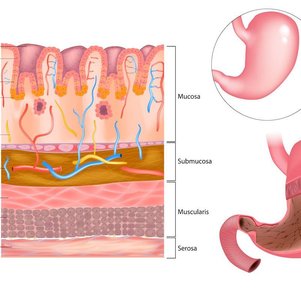
The stomach lining is composed of several layers that protect the tissue from the harsh acidic environment required for digestion. These layers include:
Mucosa: The innermost layer, containing goblet cells that secrete mucus to protect the epithelium from acid and enzymes.
Submucosa: Contains blood vessels, nerves, and connective tissue.
Muscularis: Responsible for the churning movements of the stomach.
Serosa: The outermost protective layer.
Bicarbonate ions (HCO3-): Neutralize acid near the epithelium.
Tight junctions: Between epithelial cells, preventing acid leakage.
When these defenses are compromised, hydrochloric acid (HCl) and the enzyme pepsin can digest the stomach tissue, resulting in ulcer formation.
Definition and Pathophysiology of Gastric Ulcers
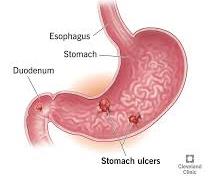
A gastric ulcer is an open sore that develops in the lining of the stomach due to the breakdown of the protective mucus layer. This exposes the underlying tissue to stomach acid, causing irritation and tissue damage.
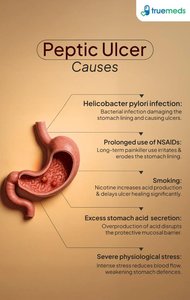
Infection: Helicobacter pylori (H. pylori) is a Gram-negative bacterium that survives in acidic conditions, damages epithelial cells, and reduces mucus production.
Medication: Non-steroidal anti-inflammatory drugs (NSAIDs) reduce mucus-producing hormones, weakening the stomach barrier.
Excessive acid production: Overactive parietal cells secrete high levels of HCl, breaking down mucus and damaging the lining.
Causes of Gastric Ulcers
H. pylori infection: Damages the stomach lining and reduces mucus production.
NSAIDs: Long-term use reduces protective mucus.
Other factors: Smoking, stress, and excessive stomach acid secretion can contribute.
Symptoms of Gastric Ulcers
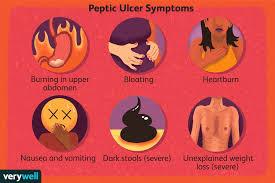
Burning stomach pain: Caused by acid irritating exposed nerve endings.
Indigestion and bloating: Due to disrupted digestion and inflammation.
Nausea or vomiting: Stimulation of the vomiting center.
Early satiety: Feeling full quickly due to inflammation affecting stomach motility.
Severe symptoms: Vomiting blood (ulcer erodes blood vessels), black tarry stools (digested blood), sudden severe pain (possible perforation).
Irritable Bowel Syndrome (IBS)
Definition and Pathophysiology
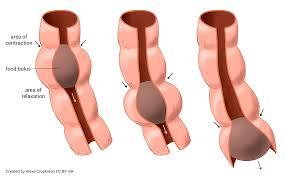
Irritable bowel syndrome (IBS) is a chronic functional disorder affecting the large intestine. It is characterized by abnormal muscle contractions (peristalsis) and increased sensitivity of the intestinal wall, leading to altered bowel habits and abdominal discomfort.
Peristalsis: Wave-like muscle contractions move food through the intestines.
Too fast: Results in diarrhea.
Too slow: Results in constipation.
Increased sensitivity: Sensory neurons in the gut are more responsive, causing pain and discomfort.
Triggers of IBS
Alcohol
Caffeine
Certain foods: Spicy or fatty foods
Stress and anxiety


Symptoms of IBS
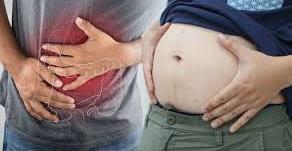
Abdominal pain or cramps: Usually worse after eating.
Bloating: Feeling uncomfortably full and swollen.
Diarrhea: Watery stool.
Constipation: Straining and incomplete evacuation.
Symptoms may fluctuate, with flare-ups triggered by food or drink.
Coeliac Disease
Definition and Pathophysiology
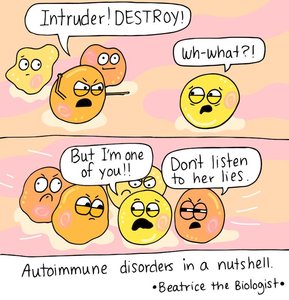
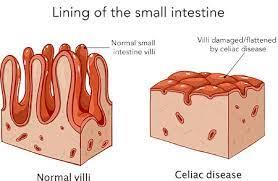
Coeliac disease is an autoimmune disorder in which the immune system attacks the villi of the small intestine in response to gluten ingestion. This leads to villous atrophy, reducing the surface area for nutrient absorption and causing malabsorption.
Villi: Finger-like projections that increase the surface area for absorption in the small intestine.
Immune-mediated response: The immune system mistakenly targets the villi as harmful when gluten is present.
Result: Poor absorption of nutrients and gastrointestinal symptoms.
Causes and Risk Factors
Genetic predisposition: HLA-DQ gene mutations increase risk.
Family history: Having relatives with coeliac disease increases risk.
Environmental triggers: Early introduction of gluten in infancy may increase risk.
Symptoms of Coeliac Disease
Abdominal pain
Bloating
Flatulence (passing wind)
Diarrhea
Fatty stools (steatorrhoea)
Weight loss (due to poor absorption)
Indigestion

Summary Table: Comparison of Digestive Malfunctions
Condition | Main Cause | Pathophysiology | Key Symptoms |
|---|---|---|---|
Gastric Ulcer | H. pylori, NSAIDs, excess acid | Breakdown of mucus layer, acid damage | Burning pain, indigestion, bleeding |
IBS | Unknown, triggers (food, stress) | Altered peristalsis, increased sensitivity | Abdominal pain, bloating, diarrhea/constipation |
Coeliac Disease | Autoimmune, gluten, genetics | Immune attack on villi, malabsorption | Abdominal pain, bloating, diarrhea, weight loss |
Key Terms
Goblet cells: Specialized epithelial cells that secrete mucus in the digestive tract.
Peristalsis: Coordinated, wave-like muscle contractions that move food through the digestive tract.
Villi: Small, finger-like projections in the small intestine that increase surface area for absorption.
Autoimmune disease: A condition in which the immune system attacks the body's own tissues.
