 Back
Digestive System: Structure, Function, and Nutrition
Study Guide - Smart Notes
 Tailored notes based on your materials, expanded with key definitions, examples, and context.
Digestive System Overview
Introduction to the Digestive System
The digestive system is responsible for processing food, extracting nutrients, and eliminating waste. It consists of the gastrointestinal (GI) tract and accessory organs. - GI tract: A hollow tube including the mouth, pharynx, esophagus, stomach, small intestine, large intestine, rectum, and anus. - Lumen: The space within the GI tract where digestion occurs. - Accessory organs: Salivary glands, liver, gallbladder, and pancreas aid digestion and absorption. 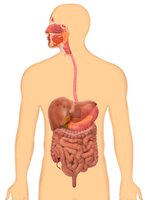
Basic Digestive Processes
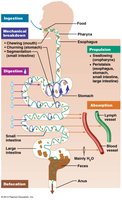
Digestion involves several coordinated processes to ensure nutrients are available for cellular use. - Intake: Food enters the mouth. - Mechanical breakdown: Food is physically broken into smaller pieces. - Chemical digestion: Enzymes and chemicals break down food fragments. - Absorption: Nutrients are absorbed into the bloodstream. - Elimination: Waste is expelled from the body. 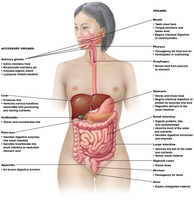
Structure of the GI Tract
Layers of the GI Tract
The GI tract wall is composed of four distinct layers, each with specialized functions. - Mucosa: Innermost layer, a mucous membrane in contact with the lumen. - Submucosa: Connective tissue containing blood vessels, lymph vessels, and nerves. - Muscularis: Two or three layers of smooth muscle responsible for movement and motility. - Serosa: Outermost layer providing protection. 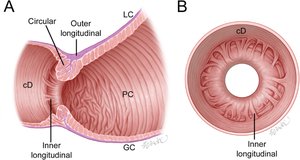
Sphincters
Sphincters are muscular rings that separate organs and regulate passage of food. - Lower esophageal sphincter: Controls entry to the stomach. - Pyloric sphincter: Regulates delivery to the small intestine. - Rectal sphincter: Controls elimination.
Digestive Functions & Motility
Digestive Functions
The digestive system performs five main functions: - Mechanical breakdown - Secretion - Digestion - Absorption - Elimination
Motility: Peristalsis and Segmentation
Motility is enabled by smooth muscle in the muscularis layer. - Peristalsis: Propels food forward through the GI tract. - Segmentation: Mixes food as it moves, enhancing digestion and absorption. 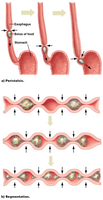
Mouth and Oral Cavity
Teeth and Tongue
The mouth processes food for swallowing using teeth and tongue. - Teeth: Bite and chew food; types include incisors, canines, premolars, and molars. - Tongue: Positions and tastes food; contains taste receptors and is important for speech. 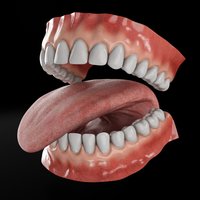
Salivary Glands and Saliva
Saliva is secreted by three pairs of salivary glands: parotid, submandibular, and sublingual. - Mucin: Lubricates food. - Salivary amylase: Begins digestion of starch. - Bicarbonate: Maintains pH for optimal enzyme activity. - Lysozyme: Inhibits bacterial growth. 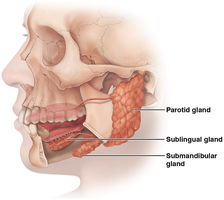
Pharynx and Esophagus
Swallowing
Swallowing is a coordinated process involving voluntary and involuntary phases. - Voluntary phase: Tongue pushes bolus into pharynx. - Involuntary phase: Swallowing reflex; epiglottis closes airway to prevent food entry into trachea. 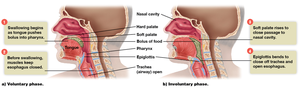
Esophagus Function
The esophagus moves food to the stomach via peristaltic contractions. - Food passes through the lower esophageal sphincter into the stomach.
Stomach
Stomach Functions
The stomach stores food, digests proteins, and regulates delivery to the small intestine. - Food storage: Temporary holding until digestion. - Protein digestion: Acid and enzymes break down proteins. - Regulation: Pyloric sphincter controls chyme delivery. 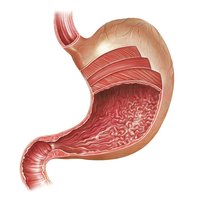
Gastric Juice
Gastric juice contains: - Hydrochloric acid: Lowers pH, breaks down food. - Intrinsic factor: Needed for vitamin B12 absorption. - Mucus: Protects stomach lining. - Pepsinogen: Converted to pepsin, begins protein breakdown. 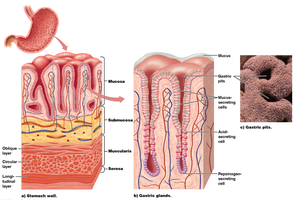
Stomach Contractions
Stomach contractions mix food and propel it forward. - Chyme: Watery mixture of partially digested food and gastric juice. - Stomach empties in 2–6 hours after a meal. - The stomach does not absorb nutrients. 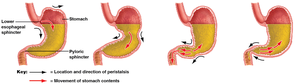
Small Intestine
Digestion and Absorption
The small intestine digests food and absorbs nutrients and water. - Neutralizes acid: From stomach. - Adds enzymes and bile: Breaks down proteins, carbohydrates, and lipids. - Absorption: 90% of food is absorbed here. 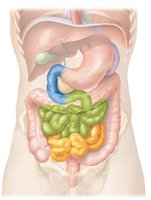
Surface Area for Absorption
The small intestine has adaptations to increase surface area: - Large folds - Villi: Microscopic projections containing blood and lacteal capillaries. - Microvilli: Cytoplasmic projections of epithelial cells. 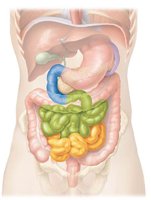
Accessory Organs
Pancreas
The pancreas secretes digestive enzymes and sodium bicarbonate. - Bicarbonate: Neutralizes stomach acids. - Digestive enzymes: Proteases (trypsin, chymotrypsin, carboxypeptidase), pancreatic amylase, lipase. 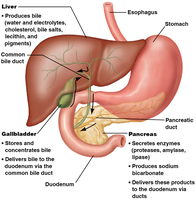
Liver and Gallbladder
The liver produces bile, which emulsifies lipids, and performs many metabolic functions. - Hepatic portal system: Transports nutrient-rich blood from digestive tract to liver. - Gallbladder: Concentrates and stores bile. 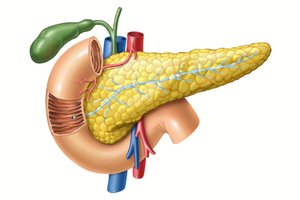
Liver Functions and Homeostasis
The liver contributes to homeostasis by: - Storing fat-soluble vitamins (A, D, E, K) - Storing glucose as glycogen and converting glycogen to glucose - Inactivating chemicals (alcohol, hormones, drugs, poisons) - Destroying worn-out red blood cells 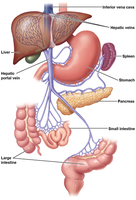
Large Intestine
Absorption and Elimination
The large intestine absorbs remaining nutrients and water, and eliminates waste. - Structure: Cecum, appendix, colon (ascending, transverse, descending, sigmoid), rectum, anus. 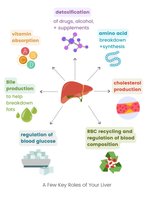
Intestinal Microbiota
The large intestine hosts a diverse population of microorganisms. - Benefits: Synthesize vitamin K, break down dietary fiber, nourish intestinal cells, may reduce risk of chronic diseases.
Digestion and Absorption of Nutrients
Proteins
Proteins are digested by enzymes from the stomach, pancreas, and small intestine. - Stomach: Pepsin - Pancreas: Trypsin, chymotrypsin, carboxypeptidase - Small intestine: Intestinal enzymes - Absorption: Amino acids absorbed by active transport, then facilitated diffusion into capillaries.
Carbohydrates
Carbohydrates are digested to monosaccharides by: - Salivary amylase - Pancreatic amylase - Intestinal enzymes - Absorption: Monosaccharides absorbed by active transport, then facilitated diffusion into capillaries.
Lipids
Lipids are broken down to monoglycerides and fatty acids by lipases. - Absorption: Monoglycerides and fatty acids are reassembled as triglycerides, combined with proteins to form chylomicrons, which enter lacteals and travel via lymphatic vessels to venous blood.
Water, Vitamins, and Minerals
- Water: Absorbed by osmosis in small and large intestine. - Vitamins: Fat-soluble vitamins absorbed with lipids; water-soluble vitamins by active transport or facilitated diffusion. - Minerals: Actively transported or absorbed by facilitated diffusion.
Nutrition and Dietary Recommendations
Healthy Diet Recommendations
- Eat a variety of foods - Maintain a healthy weight - Eat plenty of fruits, vegetables, and whole grains - Consume sugar, salt, and sodium in moderation - If you drink alcohol, do so in moderation
Carbohydrates
Carbohydrates are the body's primary energy source. - 45–65% of caloric intake should be carbohydrates - Simple carbohydrates: Sugars (monosaccharides and disaccharides) - Complex carbohydrates: Starch, glycogen, fiber - Whole foods with complex carbohydrates are preferred
Lipids
Lipids are essential cell components and energy sources. - Saturated fats: Raise LDL cholesterol, solid at room temperature - Unsaturated fats: Lower LDL cholesterol, liquid at room temperature - Trans fats: Raise LDL cholesterol - Essential fatty acids: Linoleic and linolenic acids must be consumed in food - Lipids should make up 20–35% of calories
Proteins
Proteins are composed of 20 amino acids; 9 are essential and must be ingested. - Complete proteins: Contain all essential amino acids - Incomplete proteins: Lack one or more essential amino acids
Vitamins
Vitamins are essential for normal function. - Fat-soluble: Absorbed with fats, stored in adipose tissue - Water-soluble: Stored briefly, must be consumed regularly
Minerals
Minerals are essential elements for body processes. - Roles: Ions in blood plasma and cytoplasm, bone structure, nerve and muscle activity, hemoglobin component - Major minerals: Require >100 mg/day (e.g., sodium, potassium, calcium) - Trace minerals: Require <15 mg/day (e.g., iron, iodine, zinc)
Dietary Fiber
Fiber is indigestible material that contributes bulk to feces. - Benefits: Prevents constipation, hemorrhoids, diverticulitis, may reduce risk of colon cancer, supports microbiota diversity Additional info: Fiber is important for maintaining gut health and supporting beneficial bacteria.
