 Back
BackDisruptions in Immune System Function and Disease
Study Guide - Smart Notes
 Tailored notes based on your materials, expanded with key definitions, examples, and context.
Disruptions in Immune System Function
Overview
The immune system is a complex network that protects the body from pathogens. However, disruptions in its function can lead to exaggerated, self-directed, or diminished immune responses, resulting in various diseases. This section explores allergies, autoimmune diseases, immunodeficiencies, and the evolutionary adaptations of pathogens that evade immune responses.
Exaggerated, Self-Directed, and Diminished Immune Responses
Allergies
Allergies are hypersensitive immune responses to harmless substances known as allergens. The most common allergic reactions involve IgE antibodies and mast cells:
IgE antibodies produced after initial exposure to an allergen bind to receptors on mast cells.
Upon subsequent exposure, the allergen binds to these IgE molecules, cross-linking them and triggering the release of histamine and other inflammatory chemicals.
Symptoms include sneezing, runny nose, teary eyes, and bronchial constriction.
Antihistamines are drugs that block histamine receptors, reducing allergy symptoms.
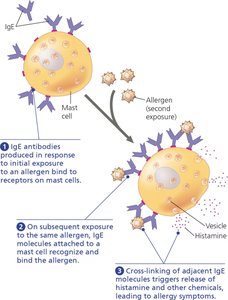
Anaphylactic shock is a severe, life-threatening allergic reaction characterized by bronchial constriction and a dramatic drop in blood pressure. It can be rapidly counteracted by an injection of epinephrine.
Autoimmune Diseases
Autoimmune diseases occur when the immune system attacks the body's own molecules, losing self-tolerance. Examples include:
Systemic lupus erythematosus (lupus): Antibodies target DNA and histones, causing rashes, fever, arthritis, and kidney dysfunction.
Type 1 diabetes: Immune attack on pancreatic beta cells.
Multiple sclerosis: Immune attack on myelin sheaths of neurons.
Rheumatoid arthritis: Inflammation of cartilage and bone in joints.
Susceptibility is influenced by heredity, sex (females are more affected), and environment. Regulatory T cells (Tregs) help prevent autoimmune responses by modulating immune activity.

Exertion, Stress, and the Immune System
Moderate exercise enhances immune function, while exhaustion and psychological stress can suppress it. Adequate sleep is also crucial for optimal immunity.
Immunodeficiency Diseases
Immunodeficiency is a state where immune responses are defective or absent, leading to recurrent infections and increased cancer risk. Types include:
Inborn immunodeficiency: Genetic defects affecting immune cell or protein production (e.g., Severe Combined Immunodeficiency (SCID)).
Acquired immunodeficiency: Caused by drugs, cancers (e.g., Hodgkin’s disease), or infections such as HIV/AIDS.
Evolutionary Adaptations of Pathogens
Antigenic Variation
Pathogens can evade immune detection by altering their surface proteins (epitopes), a process known as antigenic variation. For example, Trypanosoma (causing sleeping sickness) switches among many glycoprotein variants, allowing persistent infection.

Antigenic variation is also why influenza and SARS-CoV-2 require new vaccines as they mutate or exchange genes with animal viruses.
Scientific Data Interpretation: Trypanosoma Infection
The following table summarizes data on parasite abundance and antibody responses during infection:
Day of infection | Study A: Millions of parasites/mL blood | Study B: Antibody specific to Variant A | Study B: Antibody specific to Variant B |
|---|---|---|---|
4 | 0.1 | 0 | 0 |
6 | 0.3 | 0 | 0 |
8 | 1.2 | 0.2 | 0 |
10 | 0.2 | 0.5 | 0 |
12 | 0.9 | 1 | 0 |
14 | 1.2 | 1 | 0.1 |
16 | 0.6 | 1 | 0.3 |
18 | 0.1 | 1 | 0.9 |
20 | 0.7 | 1 | 1 |
22 | 1.2 | 1 | 1 |
24 | 0.2 | 1 | 1 |
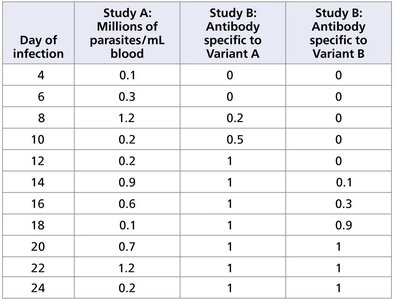
Interpretation: Parasite abundance fluctuates as the immune system responds to different variants. When antibodies to one variant rise, parasite numbers drop, but new variants allow resurgence. This supports the hypothesis that antigenic variation enables persistent infection.
Latency
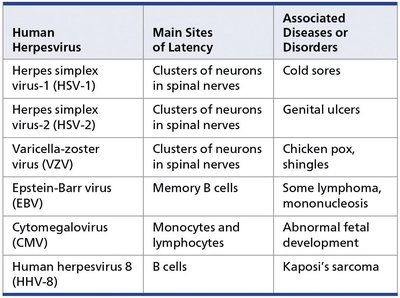
Some viruses evade immunity by entering a dormant (latent) state within host cells. During latency, viral replication halts, and the immune system is not triggered. Examples include herpesviruses, which can reactivate under stress or other triggers.
Human Herpesvirus | Main Sites of Latency | Associated Diseases or Disorders |
|---|---|---|
Herpes simplex virus-1 (HSV-1) | Clusters of neurons in spinal nerves | Cold sores |
Herpes simplex virus-2 (HSV-2) | Clusters of neurons in spinal nerves | Genital ulcers |
Varicella-zoster virus (VZV) | Clusters of neurons in spinal nerves | Chicken pox, shingles |
Epstein-Barr virus (EBV) | Memory B cells | Some lymphoma, mononucleosis |
Cytomegalovirus (CMV) | Monocytes and lymphocytes | Abnormal fetal development |
Human herpesvirus 8 (HHV-8) | B cells | Kaposi’s sarcoma |
Direct Attack on the Immune System: HIV
HIV (human immunodeficiency virus) infects and destroys helper T cells, crippling both humoral and cell-mediated immunity. HIV integrates into the host genome and mutates rapidly, evading immune detection. Over time, untreated HIV infection leads to AIDS (acquired immunodeficiency syndrome), characterized by severe immunodeficiency and susceptibility to opportunistic infections and cancers.
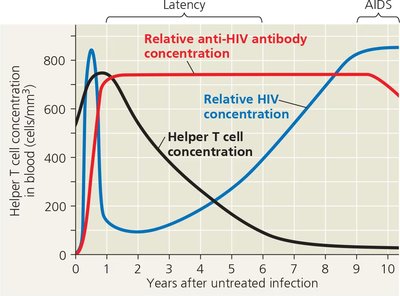
Transmission: HIV spreads via body fluids. Antiretroviral therapy (ART) can suppress viral replication, reducing disease progression and transmission.
Cancer and Immunity
Immune Surveillance and Virus-Induced Cancers
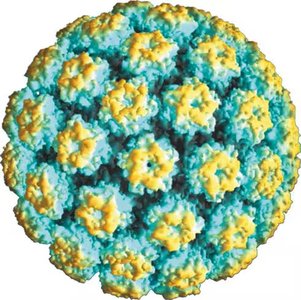
Impaired immunity increases cancer risk, especially for cancers caused by viruses. The immune system can recognize and attack virus-infected cells. Vaccines against viruses such as hepatitis B and human papillomavirus (HPV) have reduced the incidence of liver and cervical cancers, respectively.
Concept Check
Myasthenia gravis is an autoimmune disorder where antibodies block muscle cell receptors.
Herpes simplex type 1 reactivates during stress or illness, causing mouth sores and facilitating viral transmission.
Macrophage deficiency would impair both innate and adaptive immunity, reducing pathogen clearance and antigen presentation.
Summary Table: Types of Immune System Disruptions
Type | Description | Examples |
|---|---|---|
Allergy | Exaggerated immune response to harmless antigens | Hay fever, anaphylactic shock |
Autoimmunity | Immune attack on self molecules | Lupus, type 1 diabetes, rheumatoid arthritis |
Immunodeficiency | Defective or absent immune response | SCID, AIDS |
Pathogen Evasion | Pathogen avoids immune detection | Antigenic variation, latency, HIV infection |
