 Back
Diversification of Eukaryotes: Protists and Their Evolution
Study Guide - Smart Notes
 Tailored notes based on your materials, expanded with key definitions, examples, and context.
Introduction to Protists
What is a Protist?
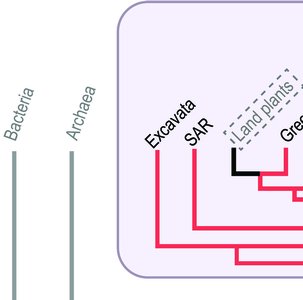
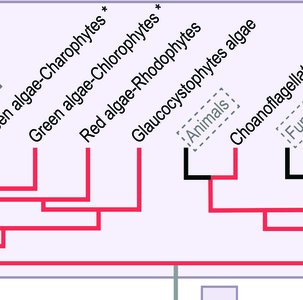
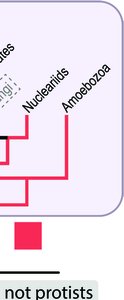
Protists are a diverse paraphyletic group of eukaryotic organisms that are not classified as plants, animals, or fungi. They represent a wide array of forms and functions, and most eukaryotes are protists, likely the first eukaryotes to evolve. The term 'protist' is used for convenience, as it does not refer to a true monophyletic group.
Eukaryotic: Protists possess a membrane-bound nucleus and organelles.
Diversity: Some protists are more closely related to plants, animals, or fungi than to other protists.
Classification: The term 'protist' is not a formal taxonomic rank but is used to describe eukaryotes that are not plants, animals, or fungi.
Key Feature: All protists have a membrane-bound nucleus.

Diversity of Protist Structure & Function
Structural and Functional Diversity
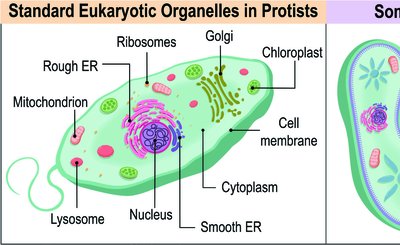
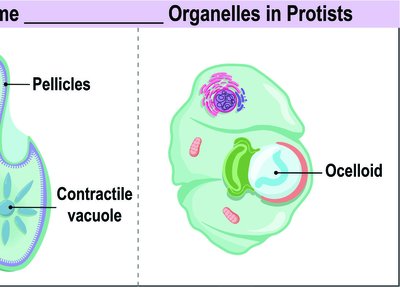
Protists exhibit remarkable diversity in their structure and function. There is no single characteristic unique to all protists, but most share standard eukaryotic organelles. Some protists possess unique organelles not found in other eukaryotes.
Organelles: Most protists have mitochondria, nucleus, endoplasmic reticulum, Golgi apparatus, and sometimes chloroplasts.
Habitat: Most protists are unicellular and live in moist soils or aquatic environments.
Nutrition: Protists can be heterotrophic, photosynthetic, or mixotrophic (combining both modes).
Unique Features: Some protists have contractile vacuoles, pellicles, or ocelloids.
Evolution of Protists
Primary Endosymbiosis
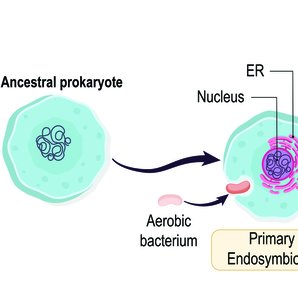
Endosymbiosis is a symbiotic relationship where one organism lives inside another. Primary endosymbiosis refers to a host cell engulfing a prokaryotic cell, which gave rise to eukaryotes.
Origin of Mitochondria: An ancestral eukaryote engulfed an aerobic bacterium, which became the mitochondrion.
Origin of Chloroplasts: A photosynthetic bacterium was engulfed, leading to the evolution of chloroplasts in some lineages.

Secondary Endosymbiosis
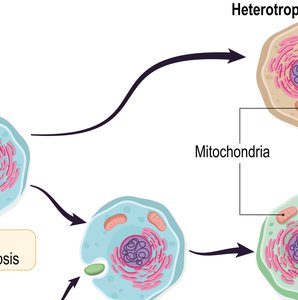
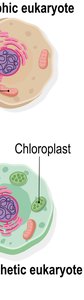
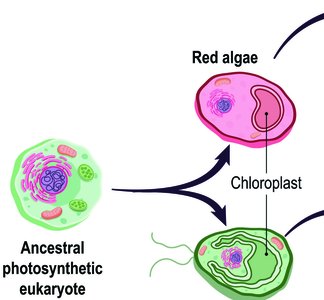
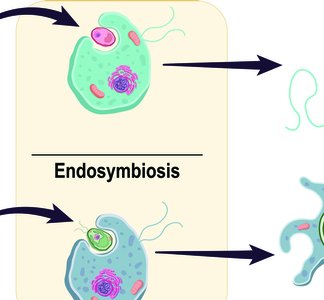
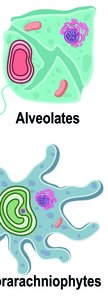
Secondary endosymbiosis occurs when a host cell engulfs a eukaryotic cell that already contains an endosymbiont. This process led to the diversification of several eukaryotic lineages, especially among protists.
Multiple Membranes: Organelles resulting from secondary endosymbiosis often have three or more membranes.
Photosynthetic Lineages: Red and green algae were engulfed by other eukaryotes, resulting in new photosynthetic protists.
Protist Life Cycles
Diversity of Life Cycles
Protists display a wide variety of life cycles, which can be sexual, asexual, or both. Some cycles involve multiple hosts or alternate between haploid and diploid forms.
Sexual and Asexual Reproduction: Many protists can reproduce both sexually and asexually.
Alternation of Generations: Some protists alternate between multicellular diploid and haploid forms.
Multiple Hosts: Certain protists, such as Plasmodium, require more than one host to complete their life cycle.

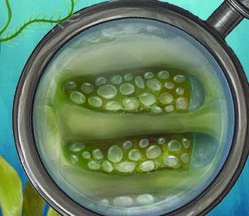
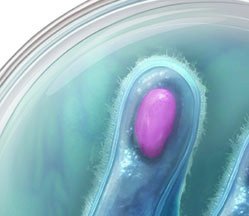
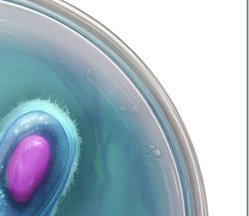
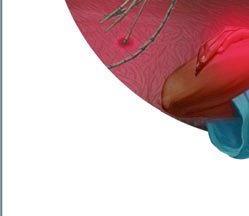
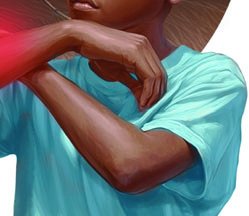
Plasmodium Life Cycle (Malaria)
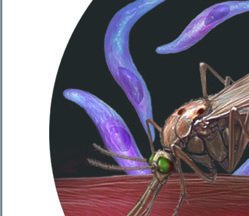
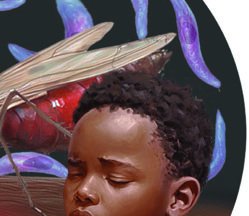
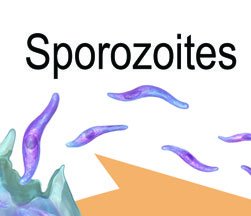
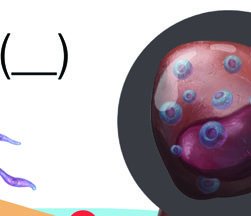
Plasmodium, the causative agent of malaria, has a complex life cycle involving both humans and mosquitoes. The cycle includes both sexual and asexual stages and alternates between hosts.
Infective Stage: Mosquitoes inject sporozoites into humans.
Liver Stage: Sporozoites infect liver cells and become merozoites.
Blood Stage: Merozoites infect red blood cells, causing symptoms.
Sexual Stage: Some merozoites become gametocytes, which are taken up by mosquitoes.
Fertilization: Gametocytes fuse in the mosquito, forming a zygote, which undergoes meiosis and produces new sporozoites.
Laminaria Life Cycle: Alternation of Generations
Laminaria, a brown alga, exhibits alternation of generations, alternating between multicellular diploid (sporophyte) and multicellular haploid (gametophyte) forms.
Sporophyte (2n): Produces haploid zoospores via meiosis.
Spore Germination: Haploid spores grow into gametophytes.
Gamete Production: Gametophytes produce gametes via mitosis.
Fertilization: Sperm fertilizes egg, forming a diploid zygote.
Zygote Development: Zygote grows into a new sporophyte.
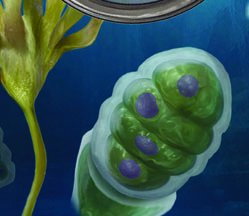
Paramecium Life Cycle: Conjugation & Asexual Reproduction
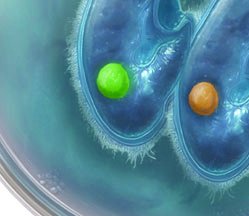
Paramecium, a ciliate protist, exchanges DNA sexually via conjugation and reproduces asexually by binary fission. It possesses two types of nuclei: a macronucleus and a micronucleus.
Conjugation: Two cells exchange micronuclei, resulting in genetic recombination.
Binary Fission: Produces new cells, increasing population size.
Macronucleus: Controls daily functions.
Micronucleus: Active during reproduction.
Eukaryotic Supergroups: Exploring Protist Diversity
Overview of the Four Supergroups
Protists are classified into four major supergroups based on genetic and morphological evidence. These supergroups reflect evolutionary relationships and are not rank-based like traditional taxonomy.
Excavata
SAR (Stramenopila, Alveolata, Rhizaria)
Archaeplastida
Unikonta
The supergroup classification system is flexible and accommodates new phylogenetic discoveries, emphasizing genetic relationships over observable traits.
Comparison: Traditional Taxonomy vs. Supergroup Framework
Traditional Taxonomy | Supergroup Framework |
|---|---|
Rank-based (Domain, Kingdom, Phylum, etc.) | Not rank-based; flexible |
Emphasizes observable traits | Emphasizes genetic/evolutionary relationships |
Rigid structure | Accommodates new discoveries |
Biggest Benefit: The supergroup framework clearly reflects genetic and evolutionary relationships between different protists.
Additional info: Where content was inferred or expanded, it is marked as such. All images included are directly relevant to the adjacent paragraphs and reinforce the educational content.
