 Back
Diversity of Animals: Overview and Invertebrates
Study Guide - Smart Notes
 Tailored notes based on your materials, expanded with key definitions, examples, and context.
Animal Overview
Defining Characteristics of Animals
Animals are multicellular, heterotrophic eukaryotes that develop from embryonic layers. Unlike plants (which produce their own food) and fungi (which digest food externally), animals ingest and digest food internally. Most animals possess specialized tissues, including nervous and muscle tissue, which are unique to the animal kingdom.
Nutritional Mode: Animals are heterotrophs, obtaining energy by consuming other organisms.
Cell Structure: Animal cells lack cell walls and are supported by structural proteins such as collagen.
Tissues: Groups of similar cells that act as functional units; nearly all animals have tissues.
Reproduction and Development
Most animals reproduce sexually, with the diploid stage dominating the life cycle. After fertilization, the zygote undergoes cleavage (rapid cell division without growth), forming a blastula (hollow ball of cells). The blastula then undergoes gastrulation, forming a gastrula with distinct embryonic tissue layers.
Evolutionary History of Animals
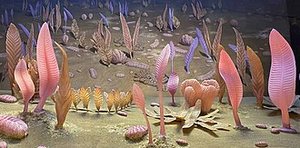
The animal kingdom has a history spanning over 500 million years. The earliest macroscopic animal fossils are from the Ediacaran biota (~540 million years ago), with evidence suggesting the common ancestor of animals lived about 770 million years ago. Molecular and morphological evidence points to choanoflagellates (a group of protists) as the closest living relatives to animals.

Major Events in Animal Evolution
Paleozoic Era and the Cambrian Explosion
The Cambrian explosion (535–525 million years ago) marks a period of rapid diversification, with the first large animal fossils possessing hard skeletons. Arthropods were the first animals to colonize land, followed by vertebrates.
Animal Body Plans
Symmetry
Animals are classified by their body symmetry:
Asymmetrical: No symmetry (e.g., sponges).
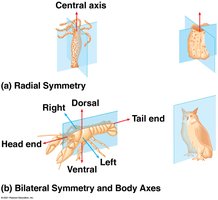
Radial symmetry: Body parts arranged around a central axis; typical of sessile or planktonic animals (e.g., jellyfish).
Bilateral symmetry: Body has right/left, dorsal/ventral, and anterior/posterior axes; associated with active movement and cephalization (concentration of sensory organs at the head).
Tissues and Germ Layers
Most animals (except sponges) have true tissues derived from embryonic germ layers:
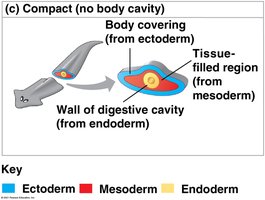
Ectoderm: Outer layer; forms skin and nervous system.
Endoderm: Inner layer; forms the digestive tract.
Mesoderm: Middle layer (in triploblastic animals); forms muscles and most organs.
Diploblastic animals (e.g., cnidarians) have two germ layers; triploblastic animals (e.g., all bilaterians) have three.
Body Cavities
A coelom is a fluid- or air-filled body cavity lined by mesoderm. Functions include cushioning organs, acting as a hydrostatic skeleton, and allowing organ movement. Some animals (acoelomates) lack a body cavity.
Protostome vs. Deuterostome Development
Animals are divided into two major clades based on embryonic development:
Protostomes: Blastopore becomes the mouth.
Deuterostomes: Blastopore becomes the anus.
These differences also include patterns of cell division and coelom formation during gastrulation.
Invertebrate Diversity
Overview
Invertebrates are animals without a backbone, making up over 95% of known animal species. They are found in nearly every habitat and display immense morphological diversity.
Phylum Porifera (Sponges)
Sponges are simple, sessile filter feeders with bodies full of pores. They lack true tissues but have specialized cells such as choanocytes (collar cells) for feeding and amoebocytes for digestion and support. Sponges are hermaphroditic and have a unique developmental cycle.
Phylum Cnidaria
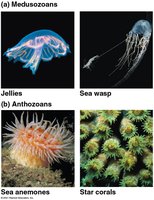
Cnidarians include corals, hydras, and jellies. They have a sac-like body plan with a gastrovascular cavity and a single opening serving as both mouth and anus. Cnidarians have two main body forms: polyp (sessile) and medusa (motile).
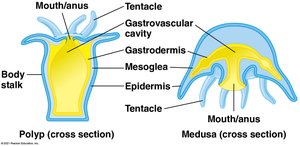
Nematocysts: Specialized stinging organelles for prey capture.
Nerve net: Noncentralized nervous system for movement and response to stimuli.
Phylum Platyhelminthes (Flatworms)
Flatworms are acoelomate, dorsoventrally flattened animals. Many are free-living (e.g., planarians), while others are parasitic (e.g., flukes, tapeworms). They have a branched gastrovascular cavity and a more centralized nervous system than cnidarians.
Phylum Mollusca
Molluscs include snails, slugs, clams, oysters, octopuses, and squids. They have a soft body, often protected by a calcium carbonate shell, and a body plan with three main parts: muscular foot, visceral mass, and mantle. Many use a radula for feeding.
Gastropods: Snails and slugs; most have a single, spiraled shell.
Bivalves: Clams, oysters, mussels; have two hinged shells and are filter feeders.
Cephalopods: Octopuses, squids; active predators with a closed circulatory system and complex brains.
Phylum Annelida (Segmented Worms)
Annelids are segmented worms with a true coelom. They include earthworms (important for soil health), leeches (some are blood-sucking parasites), and marine polychaetes.
Phylum Nematoda (Roundworms)
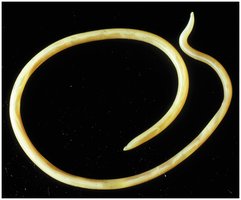
Nematodes are unsegmented, cylindrical worms with a tough cuticle that is shed as they grow. They are abundant in soil and aquatic habitats, with many free-living and parasitic species (e.g., Trichinella spiralis causes trichinosis in humans).
Phylum Arthropoda
Arthropods are the most diverse animal phylum, with over a million described species. They have a segmented body, jointed appendages, and a hard exoskeleton made of chitin. Arthropods are divided into three major groups:
Chelicerates: Sea spiders, horseshoe crabs, scorpions, ticks, mites, spiders.
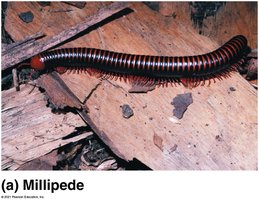
Myriapods: Centipedes and millipedes.
Pancrustaceans: Insects, lobsters, shrimp, barnacles, and other crustaceans.
Chelicerates
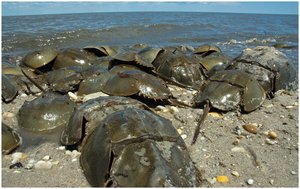
Chelicerates are named for their clawlike feeding appendages (chelicerae). Most modern chelicerates are arachnids (spiders, scorpions, ticks, mites).
Myriapods
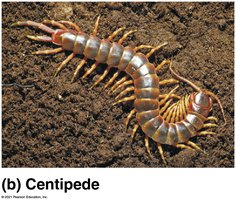
All living myriapods are terrestrial and have many body segments. Millipedes are herbivores with two pairs of legs per segment, while centipedes are carnivores with one pair of legs per segment and venomous claws.
Pancrustaceans
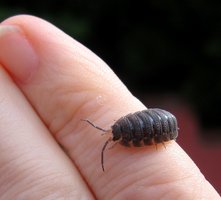
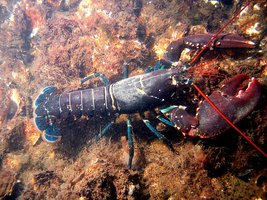
Crustaceans (crabs, lobsters, shrimp, barnacles) have highly specialized appendages and are found in marine, freshwater, and terrestrial habitats. Isopods (e.g., pill bugs) are common terrestrial crustaceans.
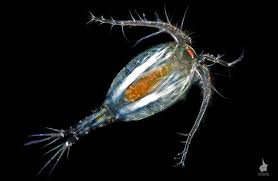
Planktonic crustaceans such as copepods are abundant in aquatic environments and serve as a crucial food source for many marine animals.
Insects (Hexapoda)
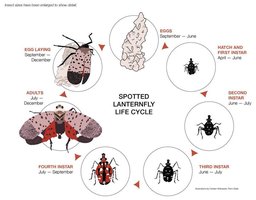
Insects are the most diverse group of animals, occupying nearly all terrestrial and freshwater habitats. They have three main body regions (head, thorax, abdomen), three pairs of legs, and usually two pairs of wings. Insects undergo either incomplete or complete metamorphosis during development.
Incomplete metamorphosis: Nymphs resemble adults and undergo molts.
Complete metamorphosis: Larval stages look different from adults; transformation occurs during a pupal stage.
Phylum Echinodermata
Echinoderms (e.g., sea stars, sea urchins) are slow-moving or sessile marine animals with a coelom and an endoskeleton of calcareous plates. Their water vascular system powers tube feet for locomotion and feeding. Echinoderms and chordates are both deuterostomes.
Phylum Chordata
Chordates include all vertebrates and two groups of invertebrates (lancelets and tunicates). They are bilaterally symmetrical coelomates and share a common ancestry with echinoderms, though they have evolved independently for over 500 million years.
