 Back
DNA Synthesis, Repair, and the Identification of Information Molecules
Study Guide - Smart Notes
 Tailored notes based on your materials, expanded with key definitions, examples, and context.
DNA and the Gene: Synthesis and Repair
Introduction to Information Molecules
The identification of cellular information molecules was a pivotal step in understanding how traits are inherited and maintained in living organisms. Early experiments and observations established that chromosomes carry the information required for specific traits and are duplicated during cell division.
Chromosomes: Structures within cells that contain genetic information.
DNA: The primary molecule responsible for storing genetic information.
Proteins: Molecules that perform various functions but were once hypothesized to carry genetic information.
Historical Context and Key Scientists
Several scientists contributed to the discovery that DNA is the information molecule:
T. Boveri & W. Sutton (~1900): Linked chromosomes to inheritance.
T.H. Morgan (1930s): Demonstrated that genes are located on chromosomes.
G. Mendel (1860s): Established basic principles of heredity.
W. Flemming (1880s): Studied cell division and chromosomes.
Chromosome Structure in Eukaryotes and Prokaryotes
Eukaryotic chromosomes are composed of DNA wound around proteins, while prokaryotic chromosomes are not associated with proteins.
Eukaryotes: DNA + proteins (histones)
Prokaryotes: DNA only, no histones
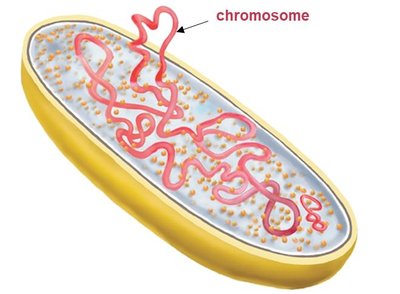
Biomolecules: DNA, Proteins, Lipids, and Carbohydrates
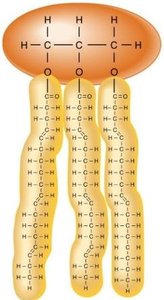
Cells contain four major types of biomolecules, but only DNA and proteins were considered candidates for carrying genetic information.
DNA: Composed of four nucleotides
Proteins: Composed of 20 amino acids
Lipids & Carbohydrates: Not considered information carriers
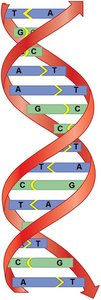
Experiments Identifying the Information Molecule
Griffith's Transformation Experiment
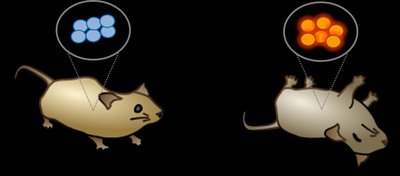
Frederick Griffith (1920s) discovered that harmless bacteria could be transformed into pathogenic bacteria by exposure to dead pathogenic cells. This suggested that some "information" was transferred.
Harmless S. pneumoniae: Does not cause disease
Pathogenic S. pneumoniae: Causes disease
Transformation: Process by which genetic information is transferred from dead to living cells
Avery, McCarty, and MacLeod's Experiment
These scientists (1940s) demonstrated that DNA, not protein or RNA, is required for transformation. They used enzymes to selectively destroy DNA, RNA, or protein in extracts from heat-killed pathogenic bacteria.
Enzyme treatments: Destroyed DNA, RNA, or protein
Results: Only destruction of DNA prevented transformation
Conclusion: DNA is the information molecule
Condition | Result |
|---|---|
Protein destroyed | Transformation occurred |
RNA destroyed | Transformation occurred |
DNA destroyed | No transformation |
Nucleic Acids: Structure and Function
Nucleotide Structure
Nucleotides are the building blocks of nucleic acids. Each nucleotide consists of a phosphate group, a monosaccharide (sugar), and a nitrogenous base.
DNA nucleotides: Deoxyribose sugar, bases A, T, G, C
RNA nucleotides: Ribose sugar, bases A, U, G, C
Phosphodiester Bonds
Nucleotides are linked by covalent phosphodiester bonds to form nucleic acid strands.
Phosphodiester bond: Connects the phosphate group of one nucleotide to the hydroxyl group of another
Strand Directionality
Nucleic acid strands have directionality, with a phosphate group at one end and a hydroxyl group at the other. Strands are written/read from phosphate to hydroxyl group.
DNA strand: Sequence of A, C, G, T
RNA strand: Sequence of A, C, G, U
Functions of DNA and RNA
DNA serves as the primary information storage molecule, while RNA has multiple roles, including acting as information messengers, regulating gene expression, and catalyzing reactions.
DNA: Information storage, inheritance
RNA: mRNA, tRNA, rRNA, miRNA, snRNA, ribozymes
Summary Table: DNA vs. Protein as Information Molecule
Property | DNA | Protein |
|---|---|---|
Monomers | 4 nucleotides | 20 amino acids |
Function | Information storage | Enzymatic, structural, regulatory |
Transformation | Required | Not required |
Conclusion
The identification of DNA as the information molecule was a fundamental discovery in biology. DNA's structure and function enable it to store, replicate, and transmit genetic information, while RNA plays diverse roles in gene expression and regulation.
