 Back
DNA Technology and Genetic Engineering: Concepts, Methods, and Applications
Study Guide - Smart Notes
 Tailored notes based on your materials, expanded with key definitions, examples, and context.
DNA Technology and Genetic Engineering
Introduction to Biotechnology and Genetic Engineering
Modern biology utilizes a variety of laboratory techniques to manipulate and study genetic material. These approaches, collectively known as biotechnology, have revolutionized medicine, agriculture, and research. Genetic engineering refers to the direct manipulation of an organism's genes, often using recombinant DNA technology to cut, splice, and recombine DNA from different sources.
Biotechnology: The manipulation of living organisms or their components to produce useful products (e.g., medicines, crops).
Recombinant DNA technology: Laboratory methods for cutting and joining DNA from different sources.
Genetic engineering: The direct modification of the genetic makeup of cells or organisms.
Transgenic Organisms and Their Applications
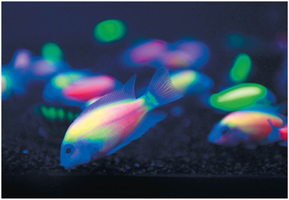
A transgenic organism (or genetically modified organism, GMO) is one that carries one or more genes introduced from another species. These organisms are created using recombinant DNA technology and have numerous applications in medicine, agriculture, and research.
Transgenic bacteria and yeast: Used to produce human proteins such as insulin, human growth hormone, erythropoietin, tissue plasminogen activator (tPA), and vaccines.
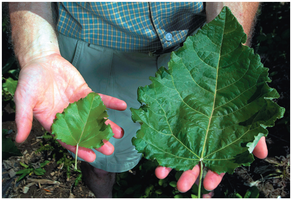
Transgenic plants: Engineered for increased vitamin content, pest resistance, herbicide resistance, drought tolerance, longer shelf life, and even production of human proteins or edible vaccines.
Transgenic animals: More challenging to produce, but used for research (e.g., disease models), improved food products (e.g., healthier meat), and "gene pharming" (production of human proteins in animal milk).
DNA Sequencing and Genomics
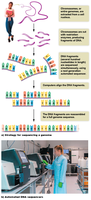
DNA sequencing determines the precise order of nucleotide bases (A, C, G, T) in a DNA molecule. The Human Genome Project was a landmark effort that sequenced the entire human genome, enabling advances in medicine and biology. Modern "next-generation" sequencing methods allow rapid, high-throughput analysis of DNA.
Sanger sequencing: The original method for sequencing DNA, now largely automated.
Next-generation sequencing: Involves fragmenting DNA, sequencing many pieces simultaneously, and using computers to assemble the sequence.
Genomics: The study of whole genomes, including gene structure, function, and evolution.
Proteomics: The study of all proteins encoded by a genome, including their functions and interactions.
Recombinant DNA Technology: Tools and Methods
Recombinant DNA technology involves cutting, splicing, and copying DNA to create new genetic combinations. Key tools include:
Restriction enzymes: Cut DNA at specific sequences, often palindromic.
DNA ligase: Joins DNA fragments together.
Plasmids: Small circular DNA molecules used as vectors to carry foreign genes into bacteria for amplification.
Example: The human insulin gene can be inserted into a bacterial plasmid, allowing bacteria to produce insulin for medical use.
Gene Editing: CRISPR-Cas9 System
The CRISPR-Cas9 system is a revolutionary gene-editing tool derived from a bacterial antiviral defense mechanism. It allows scientists to target and modify specific genes within living cells.
Guide RNA: Designed to match the target DNA sequence; directs the Cas9 protein to the correct location.
Cas9 protein: Cuts both strands of the target DNA, enabling gene knockout, insertion, or correction.
Applications include gene knockout studies, correction of genetic mutations, and creation of transgenic organisms.
Polymerase Chain Reaction (PCR)
Polymerase Chain Reaction (PCR) is a technique used to rapidly amplify specific DNA sequences, generating millions of copies from a tiny initial sample. PCR is essential for DNA analysis in research, medicine, and forensics.
Components: Template DNA, primers (short DNA sequences specifying the region to amplify), nucleotides, and a heat-stable DNA polymerase.
Process: Repeated cycles of heating (to denature DNA), cooling (to allow primers to bind), and extension (to synthesize new DNA).
Applications: DNA profiling, diagnosis of infectious diseases, genetic testing, and research.
DNA Profiling and Gel Electrophoresis
DNA profiling is the analysis of DNA samples to determine identity or relationships. It relies on comparing short tandem repeats (STRs)—regions of repetitive DNA that vary among individuals. Gel electrophoresis is used to separate DNA fragments by size, producing a unique pattern (DNA fingerprint) for each individual.
STR analysis: PCR amplifies STR regions; gel electrophoresis separates fragments by size.
Applications: Forensic identification, paternity testing, disaster victim identification.
Principle of gel electrophoresis: DNA fragments move through a gel toward a positive electrode; smaller fragments travel faster, creating distinct bands.
Gene Therapy
Gene therapy aims to treat or cure diseases by introducing, removing, or altering genes within a patient's cells. Delivery methods include viral vectors, liposomes, and direct injection of DNA. There are two main approaches:
Ex vivo gene therapy: Cells are removed from the patient, modified outside the body, and then returned.
In vivo gene therapy: Genes are delivered directly into the patient's body or target tissue.
Examples of gene therapy include treatment for severe combined immunodeficiency (SCID) and inherited blindness (e.g., Luxturna for RPE65 gene mutations).
Summary Table: Key Tools and Applications in DNA Technology
Tool/Technique | Main Purpose | Example/Application |
|---|---|---|
Restriction Enzymes | Cut DNA at specific sequences | Creating recombinant plasmids |
DNA Ligase | Join DNA fragments | Constructing recombinant DNA |
Plasmids | Vectors for gene transfer | Producing insulin in bacteria |
PCR | Amplify DNA sequences | Forensic DNA profiling |
Gel Electrophoresis | Separate DNA by size | DNA fingerprinting |
CRISPR-Cas9 | Gene editing | Correcting genetic mutations |
Gene Therapy | Treat genetic diseases | SCID, inherited blindness |
Key Equations and Concepts
PCR amplification: Each cycle doubles the amount of DNA, so after n cycles, the number of DNA molecules is .
Gel electrophoresis: Separation is based on fragment size; smaller fragments migrate further through the gel matrix.
Conclusion
DNA technology and genetic engineering have transformed biology, medicine, and agriculture. Understanding these tools and their applications is essential for modern biology students and provides a foundation for future advances in biotechnology and genomics.
