 Back
DNA Technology and Genetic Engineering: Tools, Applications, and Implications
Study Guide - Smart Notes
 Tailored notes based on your materials, expanded with key definitions, examples, and context.
Biotechnology and Genetic Engineering
Introduction to Biotechnology
Biotechnology is the use of living organisms or their systems to develop products and technologies for human benefit. Modern biotechnology often involves the manipulation of DNA, known as genetic engineering, to create new genetic combinations and organisms with desirable traits.
Genetic Engineering: Tools and Techniques
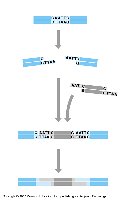
Genetic engineering requires a set of molecular tools to manipulate DNA and genes. These tools allow scientists to cut, paste, and transfer genetic material between organisms.
Restriction Enzymes: Proteins that cut DNA at specific sequences, creating fragments with 'sticky ends' for recombination.
DNA Ligase: Enzyme that joins DNA fragments together, forming recombinant DNA molecules.
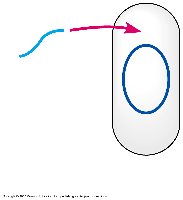
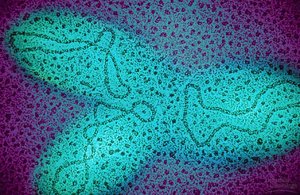
Plasmids: Small, circular DNA molecules found in bacteria, used as vectors to carry foreign genes.
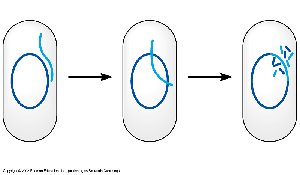
Transformation: The process by which bacteria take up DNA from their surroundings, allowing for genetic modification.

Plasmids and Their Role in Genetic Engineering
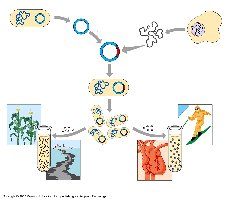
Plasmids are essential tools for introducing new genes into bacteria. They are self-replicating and can carry genes for antibiotic resistance or other traits. By inserting a gene of interest into a plasmid and then into bacteria, scientists can produce recombinant proteins or genetically modified organisms.
Gene Insertion: New genes are inserted into plasmids using restriction enzymes and DNA ligase.
Vector: The plasmid acts as a vector to deliver the gene into the bacterial cell.
Expression: Bacteria express the new gene, producing the desired protein.
Applications of Recombinant DNA Technology
Recombinant DNA technology enables the mass production of gene products and the creation of genetically modified organisms (GMOs). These applications span medicine, agriculture, and environmental science.
Medical: Production of insulin, growth hormones, and other therapeutic proteins.
Agriculture: Creation of pest-resistant, herbicide-tolerant, and nutrient-enhanced crops.
Environmental: Engineering bacteria to clean up toxic waste.
Genetically Modified Organisms (GMOs)
Creation and Uses of GMOs
GMOs are organisms whose genetic material has been altered using genetic engineering techniques. In agriculture, GMOs are used to improve crop yield, resistance to pests, and nutritional value.
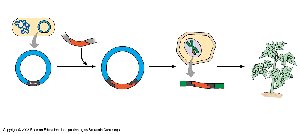
Ti Plasmid: Used to introduce new traits into plants via Agrobacterium tumefaciens.
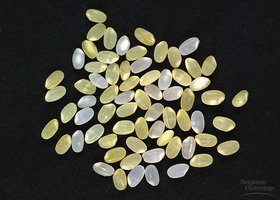
Golden Rice: Genetically modified to contain beta-carotene, addressing vitamin A deficiency.
Herbicide and Pest Resistance: Traits engineered into crops for improved agricultural performance.

Risks and Ethical Considerations
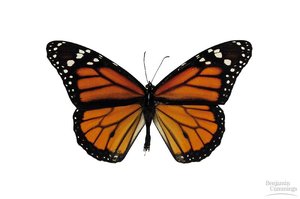
Genetic engineering poses potential risks, including ecological impacts and ethical concerns. For example, pollen transfer from GM crops to wild relatives may cause unintended consequences, such as harm to non-target species like monarch butterflies.
Ecological Damage: Unintended effects on ecosystems and biodiversity.
Human Health: Ongoing research into the safety of GM foods.
Ethical Questions: Debates about the morality and long-term effects of genetic modification.
Polymerase Chain Reaction (PCR)
PCR: DNA Amplification Technique
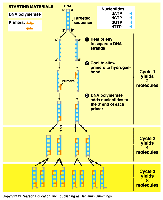
The Polymerase Chain Reaction (PCR) is a method for making many copies of a specific segment of DNA. It is essential for genetic research, diagnostics, and forensic science.
Denaturation: DNA strands are separated by heating.
Annealing: Primers bind to the target DNA sequence.
Extension: DNA polymerase synthesizes new DNA strands.
Cycles: The process is repeated to exponentially amplify DNA.
Equation: The number of DNA copies after n cycles:
Importance and Uses of PCR
PCR can amplify DNA from minimal starting material, making it invaluable for research, medical diagnostics, and forensic investigations.
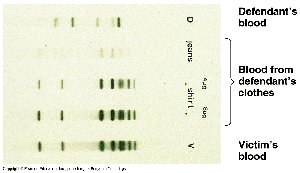
Forensics: DNA fingerprinting for crime solving and identification.
Medical: Detection of genetic disorders and pathogens.
Research: Studying gene structure and function.
Cloning of Organisms
Concept and Methods of Cloning
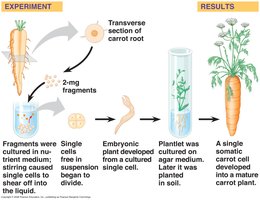
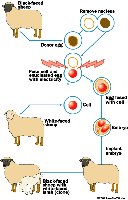
Cloning is the process of producing genetically identical organisms by asexual means. It demonstrates the concept of totipotency, where a single cell can develop into a complete organism.
Plant Cloning: Commonly done by culturing somatic cells.
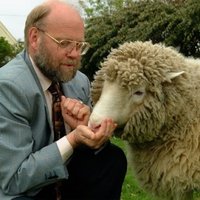
Animal Cloning: Achieved by nuclear transplantation (e.g., Dolly the sheep).
Spider Silk and Protein Engineering
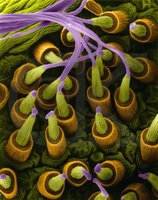
Spider Silk: Structure and Production
Spider silk is a complex protein produced by silk glands and extruded as fibers. Its unique properties make it a target for genetic engineering to produce silk in other organisms.
Protein Engineering: Genes for spider silk can be inserted into bacteria or other organisms to mass-produce silk.
Applications: Medical sutures, textiles, and biomaterials.
Stem Cells and DNA Technology Applications
Stem Cells: Types and Uses
Stem cells are unspecialized cells capable of self-renewal or differentiation into specialized cell types. They are classified as embryonic or adult stem cells.
Embryonic Stem Cells: Derived from embryos, can differentiate into any cell type.
Adult Stem Cells: Found in adult tissues, limited differentiation potential.
Therapeutic Cloning: Using stem cells to replace damaged tissues or organs.
Applications of DNA Technology
DNA technology is used in basic research, medicine, forensics, and agriculture. Future directions include gene therapy and the growth of replacement tissues and organs.
Gene Therapy: Correcting hereditary disorders by introducing functional genes.
Basic Research: Studying gene structure, evolution, and control mechanisms.
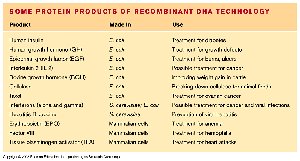
Summary Table: Protein Products of Recombinant DNA Technology
Product | Made In | Use |
|---|---|---|
Human insulin | E. coli | Diabetes treatment |
Human growth hormone (HGH) | E. coli | Treat growth disorders |
Blood clotting factor VIII | E. coli | Treat hemophilia |
Interferon | Bacteria/yeast | Treat viral infections |
Protein used to dissolve blood clots | Bacteria | Heart attack therapy |
Gene for pest resistance | Plants | Agricultural improvement |
Gene for cleaning up toxic waste | Bacteria | Environmental cleanup |
Protein used to make snow form at higher temperature | Bacteria | Industrial application |
Beta-carotene gene | Rice | Prevent vitamin A deficiency |
Spider silk protein | Bacteria/goats | Biomaterials |
Stem cell | Human/animal | Therapeutic cloning |
Gene for insect resistance | Corn | Agricultural improvement |
Gene for herbicide resistance | Soybean | Agricultural improvement |
Gene for nitrogen fixation | Plants | Agricultural improvement |
Additional info: Some content was expanded for academic completeness, including definitions, examples, and context for each technique and application.
