 Back
DNA Tools and Biotechnology: Study Guide for General Biology
Study Guide - Smart Notes
 Tailored notes based on your materials, expanded with key definitions, examples, and context.
DNA Tools and Biotechnology
Overview of DNA Technology and Biotechnology
DNA technology encompasses the main methods for studying and manipulating DNA, while biotechnology refers to the use of organisms or their components to produce useful products. These fields are foundational to modern biology, medicine, and agriculture.
DNA Technology: Includes DNA sequencing, DNA cloning, polymerase chain reaction (PCR), and restriction enzymes.
Biotechnology: Involves manipulating organisms for applications such as genetically modified organisms (GMOs), medical therapies, and environmental cleanup.
Nucleic Acid Hybridization: A technique where complementary DNA or RNA strands base-pair, enabling many molecular biology methods.



DNA Sequencing
Sanger Sequencing Method
DNA sequencing determines the complete nucleotide sequence of a gene. The Sanger method uses dideoxy nucleotides to terminate DNA synthesis, allowing the sequence to be deduced by fragment length analysis.
Dideoxy nucleotides: Modified nucleotides that prevent further extension of DNA strands.
Fragment analysis: DNA fragments are separated by size to determine the sequence.
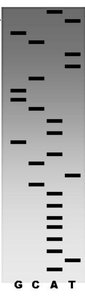
Next Generation Sequencing
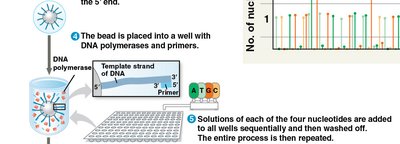
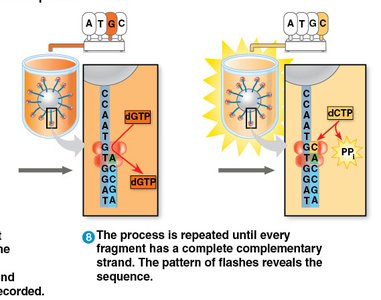
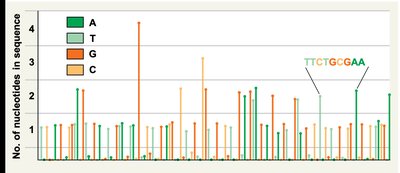
Next generation sequencing (NGS) allows high-throughput sequencing of many DNA fragments simultaneously, greatly increasing speed and efficiency.
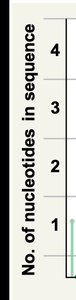
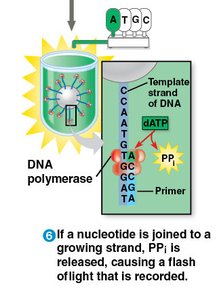
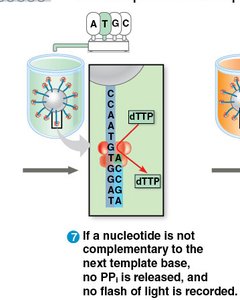
Sequencing by synthesis: DNA fragments are immobilized, and complementary strands are synthesized one nucleotide at a time.
High throughput: Millions of fragments are sequenced in parallel.
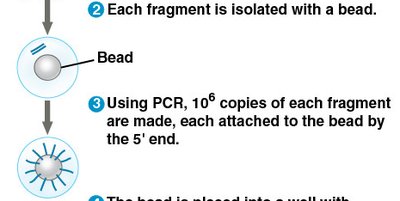
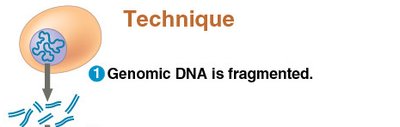
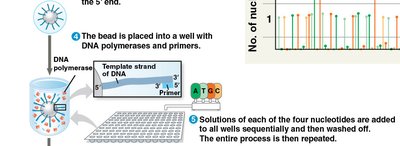
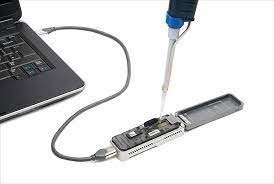
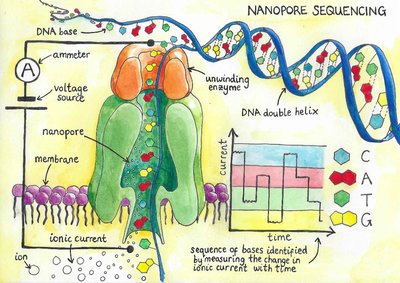
Nanopore sequencing: DNA passes through a membrane pore, and each nucleotide disrupts the electrical current, which is measured to determine sequence.
DNA Cloning
Polymerase Chain Reaction (PCR)
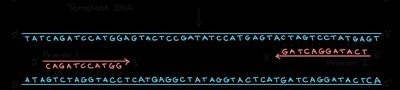
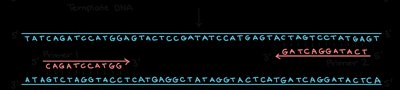
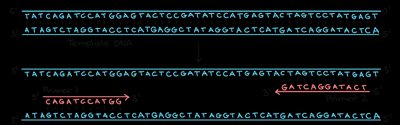
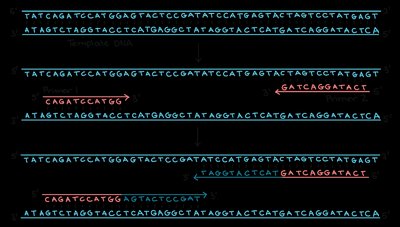
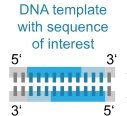
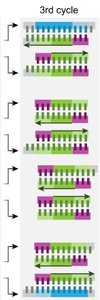
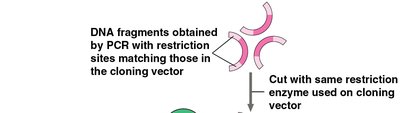
PCR is a technique used to amplify a specific DNA segment, producing billions of copies in a short time. It relies on heat-stable DNA polymerase and specific primers.
Denaturation: High heat separates DNA strands.
Annealing: Primers bind to target sequences.
Extension: DNA polymerase synthesizes new strands.
Taq polymerase: A heat-tolerant enzyme from Thermus aquaticus.


Plasmids and Recombinant DNA
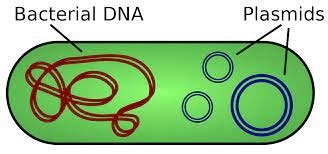
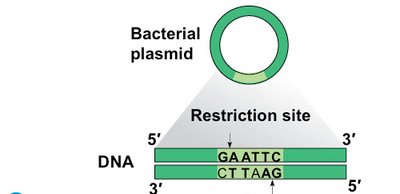
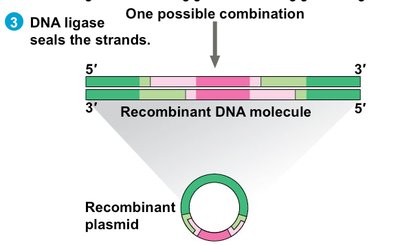
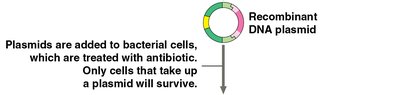
Plasmids are small, circular DNA molecules in bacteria that replicate independently. DNA fragments can be inserted into plasmids to create recombinant DNA, which is then cloned in bacterial cells.
Cloning vector: A plasmid used to carry foreign DNA.
Gene cloning: Producing multiple copies of a gene by bacterial reproduction.
Restriction Enzymes
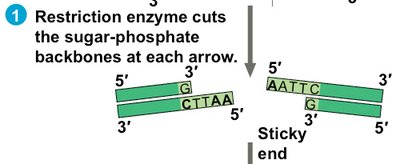
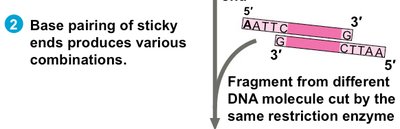
Restriction enzymes cut DNA at specific sequences called restriction sites, producing fragments with sticky ends that can be joined with DNA from other sources.
Sticky ends: Single-stranded overhangs that facilitate joining of DNA fragments.
DNA ligase: Enzyme that seals the joined fragments.



Analyzing Gene Expression
In Situ Hybridization
In situ hybridization uses fluorescent probes to detect the location of specific mRNAs within intact organisms, revealing where genes are expressed.
Nucleic acid probes: Complementary DNA or RNA molecules labeled with fluorescent dyes.
Applications: Studying gene expression patterns in development and disease.
Reverse Transcriptase PCR (RT-PCR)
RT-PCR is used to compare the amounts of specific mRNAs in different samples. Reverse transcriptase converts mRNA to cDNA, which is then amplified by PCR.
cDNA: Complementary DNA synthesized from mRNA.
Gel electrophoresis: Used to analyze PCR products.
Example: COVID-19 testing uses RT-PCR to detect viral RNA.
Determining Gene Function
CRISPR-Cas9 Gene Editing
CRISPR-Cas9 is a revolutionary technique for editing genes in living cells. Cas9 is a nuclease guided by RNA to cut specific DNA sequences, allowing targeted gene inactivation or modification.
Guide RNA: Engineered to match the target gene sequence.
Gene knockout: Inactivating genes to study their function.
Gene repair: Correcting mutations by providing a repair template.
Stem Cells and Animal Cloning
Stem Cells
Stem cells are unspecialized cells capable of indefinite reproduction and differentiation into specialized cell types. They are classified by their potential:
Totipotent: Can become any cell type (zygote).
Pluripotent: Can become most cell types (embryonic stem cells).
Multipotent: Can become multiple, but not all, cell types (adult stem cells).
Animal Cloning: Nuclear Transplantation
Nuclear transplantation replaces the nucleus of an egg cell with that of a differentiated cell, enabling cloning. Success rates decrease with donor cell age due to epigenetic changes.
Reproductive cloning: Producing genetically identical animals (e.g., Dolly the sheep).
Epigenetic inheritance: Traits transmitted by mechanisms other than DNA sequence, such as histone modification and DNA methylation.
Genomic imprinting: Phenotype depends on which parent passed the allele.
Applications of Biotechnology
Medicine
Biotechnology enables diagnosis and treatment of diseases, production of pharmaceuticals, and gene therapy.
RT-PCR: Detects viral infections (e.g., HIV, COVID-19).
Gene therapy: Introduction or editing of genes to treat genetic disorders.
Pharmaceuticals: Proteins like insulin and HGH produced in cell cultures.
Transgenic animals: Used as "pharmaceutical factories" to produce human proteins.
Forensic Evidence and Genetic Profiles
DNA technology is used in forensic science to identify individuals based on unique genetic markers, such as short tandem repeats (STRs).
STRs: Highly variable repeated DNA sequences used for genetic profiling.
Environmental Cleanup and Agriculture
Biotechnology improves agricultural productivity and enables environmental cleanup by exploiting the abilities of microorganisms and transgenic plants.
Transgenic crops: Engineered for traits like delayed ripening, disease resistance, and drought tolerance.
Microbial cleanup: Bacteria extract heavy metals from environments for recovery.
Ethical, Legal, and Privacy Issues
Genetic data raises concerns about privacy, discrimination, and data usage. Laws like the Genetic Information Nondiscrimination Act protect against misuse in health insurance and employment, but gaps remain in other areas.
Direct-to-consumer genetic testing: Offers personal genome analysis but raises privacy concerns.
Law enforcement: Use of genetic databases for criminal investigations is controversial.
Summary Table: DNA Technology Methods
Method | Purpose | Key Features |
|---|---|---|
DNA Sequencing | Determine nucleotide sequence | Sanger, NGS, Nanopore |
PCR | Amplify DNA | Heat-stable polymerase, primers |
Restriction Enzymes | Cut DNA at specific sites | Sticky ends, recombinant DNA |
CRISPR-Cas9 | Edit genes | Guide RNA, Cas9 nuclease |
RT-PCR | Analyze gene expression | Reverse transcriptase, cDNA |
Additional info: This study guide expands on brief points with academic context, definitions, and examples to ensure completeness and clarity for exam preparation.
