 Back
DNA Tools and Biotechnology: Techniques and Applications
Study Guide - Smart Notes
 Tailored notes based on your materials, expanded with key definitions, examples, and context.
DNA Tools and Biotechnology
Introduction to DNA Technology
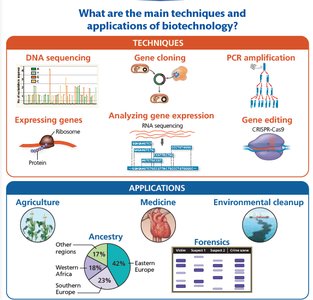
DNA technology encompasses a range of molecular techniques used to analyze, manipulate, and utilize DNA for research, medicine, agriculture, and industry. These methods have revolutionized biology by enabling the sequencing, cloning, and editing of genes, as well as the study of gene expression and function.
DNA Sequencing
Principles and Methods
DNA sequencing is the process of determining the exact order of nucleotides (A, T, C, G) in a DNA molecule. This technique is fundamental for identifying mutations, understanding genetic diseases, and studying evolutionary relationships. The principle relies on complementary base pairing, where each nucleotide pairs with its specific partner (A with T, C with G).
Applications: Sequencing entire genomes (e.g., human, bacterial), identifying disease mutations, and evolutionary studies.
Historical Note: The first human genome took 13 years and cost $1 billion to complete (2003).
Steps in DNA Sequencing
Preparation: Extract, purify, and fragment DNA.
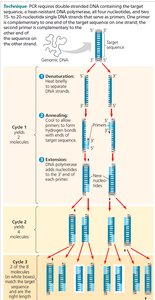
PCR Amplification: Make many copies of DNA fragments.
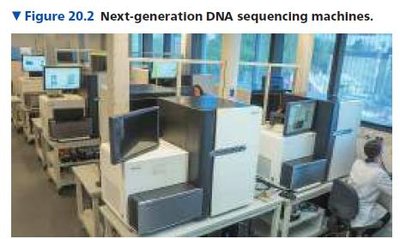
Sequencing: Determine the base order using chemical or optical methods.
Analysis (Bioinformatics): Assemble short reads and compare to reference genomes.
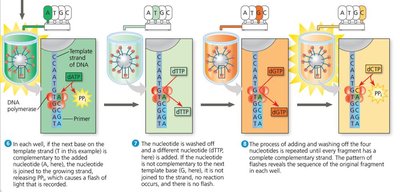
During sequencing, the addition of deoxynucleoside triphosphates (dNTPs) to a growing DNA strand releases pyrophosphate (PPi), causing a flash of light. The pattern of flashes reveals the sequence of the original fragment.
PCR Amplification
The Polymerase Chain Reaction (PCR)
PCR is a technique used to amplify specific DNA sequences, generating millions of copies from a small initial sample. It uses the enzyme Taq polymerase and cycles of heating and cooling to denature DNA, anneal primers, and extend new strands.
Standard PCR: Uses dNTPs for DNA synthesis.
Chain-Termination (Sanger) PCR: Uses modified nucleotides (ddNTPs) that terminate chain elongation, allowing sequencing of DNA fragments.
Gel Electrophoresis
Separation and Visualization of DNA Fragments
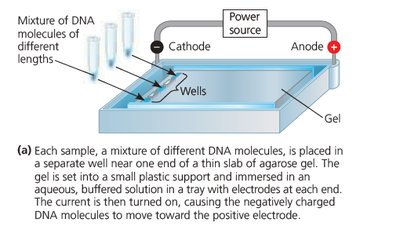
Gel electrophoresis separates DNA fragments by size using an electric field. DNA samples are loaded into wells in an agarose gel, and an electric current causes the negatively charged DNA to migrate toward the positive electrode. Smaller fragments move faster, allowing separation and visualization as bands.
Restriction Enzymes and Recombinant DNA
Creating Recombinant Plasmids
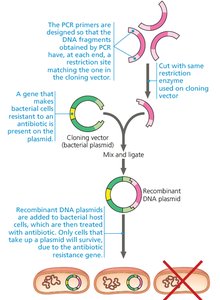
Restriction enzymes (endonucleases) act as molecular scissors, cutting double-stranded DNA at specific sequences (restriction sites). These enzymes are used to cut both plasmids (circular DNA vectors) and foreign DNA, creating sticky ends that can anneal. DNA ligase acts as molecular glue, sealing the strands to form recombinant DNA.
DNA Cloning
Steps in DNA Cloning
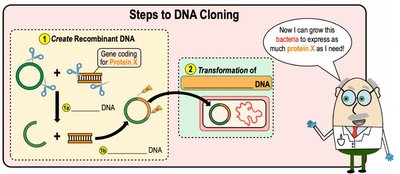
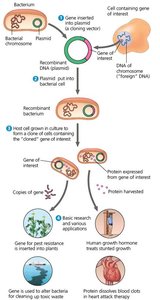
DNA cloning involves inserting a gene of interest into a plasmid vector, which is then introduced into bacteria. The bacteria replicate, producing many copies of the gene and its protein product.
Step 1: Create recombinant DNA (gene + plasmid).
Step 2: Transform bacteria with recombinant DNA.
Step 3: Express and harvest the protein product.
Expressing Eukaryotic Genes in Prokaryotes
Challenges and Solutions
Expressing eukaryotic genes in prokaryotic cells is challenging due to the presence of introns, differences in promoters, and lack of post-transcriptional and post-translational modifications in prokaryotes. Solutions include using yeast (a eukaryote) as a host or using cDNA (complementary DNA) synthesized from mRNA via reverse transcription.
DNA Microarrays and RNA Sequencing
Measuring Gene Expression
DNA microarrays (DNA chips) allow simultaneous measurement of the expression levels of thousands of genes. Each spot on the chip contains DNA probes for a specific gene. Labeled cDNA from samples hybridizes to the probes, and the intensity of fluorescence indicates gene expression levels.
Green spot: Gene highly expressed in control (healthy) sample.
Red spot: Gene highly expressed in experimental (diseased) sample.
Yellow spot: Gene expressed in both samples.
Black spot: Gene not expressed in either sample.
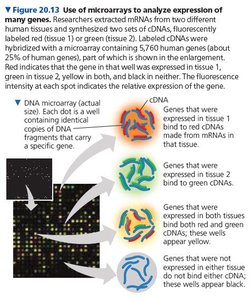
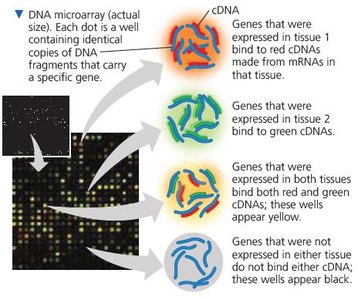
RNA sequencing (RNA-seq) has largely replaced microarrays, offering greater sensitivity and accuracy in quantifying gene expression.
Cloning Animals and Plants
Nuclear Transplantation and Totipotency
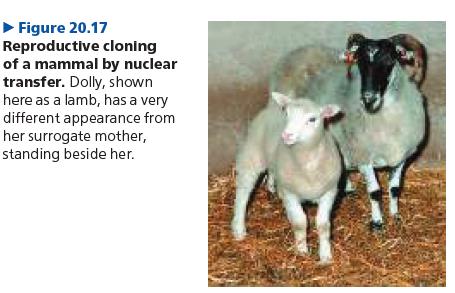
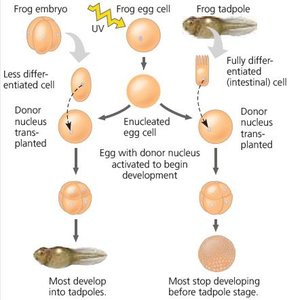
Animal cloning involves transferring the nucleus from a differentiated cell into an enucleated egg cell. The ability of the nucleus to direct development decreases as the donor cell becomes more differentiated. In plants, many cells are totipotent and can regenerate an entire organism from a single cell.
Stem Cells and Their Applications
Types and Potency
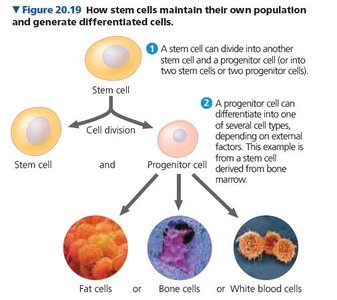
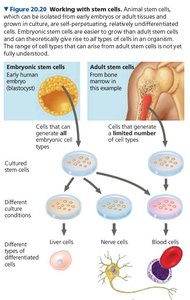
Stem cells are unspecialized cells capable of self-renewal and differentiation into specialized cell types. Embryonic stem cells are pluripotent (can become many cell types), while adult stem cells are multipotent (limited differentiation potential).
Gene Therapy
Principles and Methods
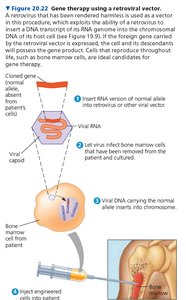
Gene therapy involves introducing normal genes into an individual's cells to treat genetic disorders. Retroviruses are often used as vectors to deliver the therapeutic gene. This approach is expensive and still largely experimental.
Gene Editing and SNPs
CRISPR-Cas9 and Genetic Markers
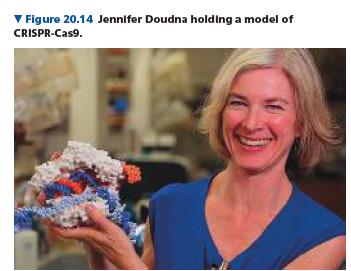
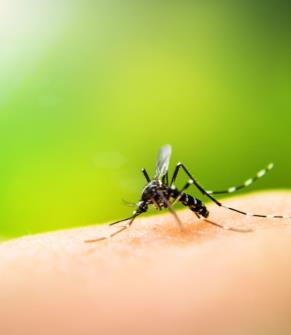
CRISPR-Cas9 is a revolutionary gene-editing tool that allows precise modification of DNA sequences. It is used to address issues such as insect-borne diseases by altering genes in vectors like mosquitoes. Single nucleotide polymorphisms (SNPs) are single base pair variations that serve as genetic markers for disease-associated alleles.
Applications of DNA Technology
Transgenic Organisms and Biotechnology
DNA technology has numerous applications in agriculture (e.g., genetically modified crops like Bt maize), medicine (personalized medicine, gene therapy), environmental cleanup, and forensics (genetic profiling).
Safety and Ethical Considerations
Regulation and Public Concerns
The use of DNA technology raises important safety and ethical questions, including the creation of hazardous pathogens, the spread of transgenes to wild populations, consumer distrust of GMOs, and potential allergic reactions. Regulatory agencies such as the FDA, NIH, and EPA oversee the use of biotechnology products.
