 Back
BackDynamics of Ecosystems: Biogeochemical Cycles and Conservation
Study Guide - Smart Notes
 Tailored notes based on your materials, expanded with key definitions, examples, and context.
Dynamics of Ecosystems
Introduction to Ecosystems
An ecosystem includes all the organisms living in a particular area, as well as the abiotic (non-living) environment with which they interact. Ecosystem ecology focuses on the movement of energy and materials through organisms and their communities, emphasizing the interconnectedness of biotic and abiotic factors.
Biogeochemical Cycles
Overview of Biogeochemical Cycles
Biogeochemical cycles describe the movement of chemical elements through living (biotic) and non-living (abiotic) components of ecosystems. The major cycles include the carbon, water, nitrogen, phosphorus, and sulfur cycles.

The Carbon Cycle
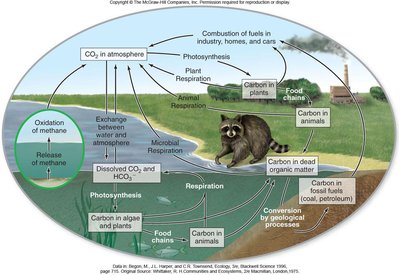
The carbon cycle is the process by which carbon moves through the biosphere, atmosphere, hydrosphere, and geosphere. It is essential for life, as carbon is a key component of organic molecules.
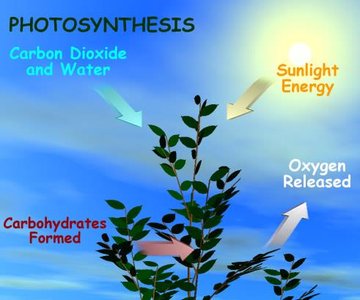
Photosynthesis: Plants use carbon dioxide (CO2), water, and sunlight to produce glucose and release oxygen. The equation for photosynthesis is:
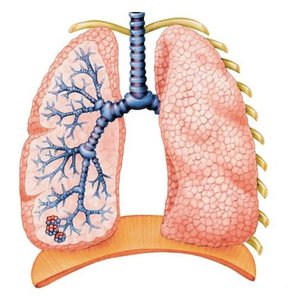
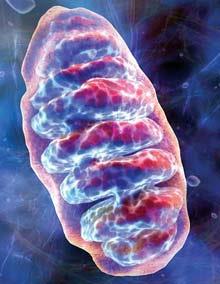
Respiration: Both plants and animals break down glucose during cellular respiration to obtain energy, releasing CO2 and H2O as waste products. The equation for respiration is:
Consumption: Animals obtain carbon by feeding on plants or other animals. Organic compounds are transferred through food webs.
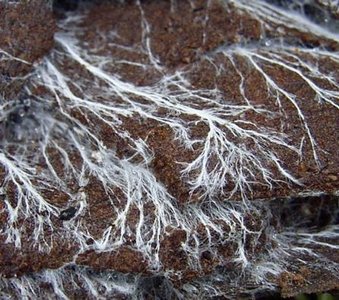
Decomposition: Decomposers (bacteria, fungi, detritivores) break down dead organisms, returning CO2 to the atmosphere.
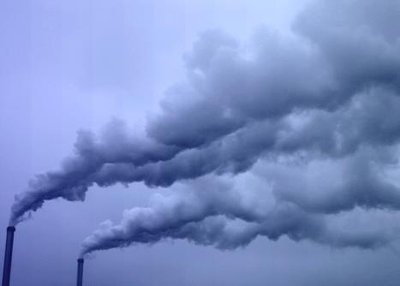
Combustion: The burning of fossil fuels and organic matter releases stored carbon as CO2, contributing to atmospheric carbon levels.
Decomposition in the Carbon Cycle
Decomposition is a complex process involving various organisms:
Microbial decomposers: Bacteria and fungi (microflora) are major decomposers of dead animals and plants.
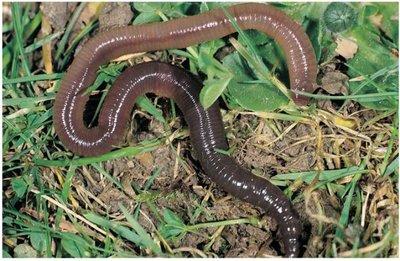
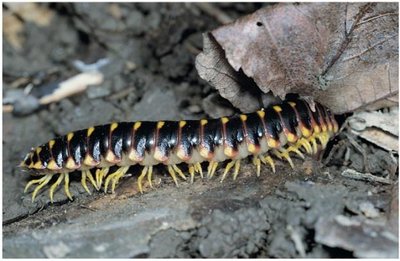
Detritivores: Animals that feed on detritus, such as earthworms, snails, millipedes, and aquatic invertebrates.
Microfauna and mesofauna: Protozoans, nematode worms, mites, potworms, and springtails.
Macrofauna and megafauna: Larger decomposers like earthworms and crabs.
Microbivores: Organisms that feed on bacteria and fungi, such as amoebas and springtails.
Human Impact on the Carbon Cycle
Human activities, especially the burning of fossil fuels, have created large imbalances in the carbon cycle, leading to increased atmospheric CO2 and contributing to climate change.
The Water Cycle
The water cycle describes the continuous movement of water on, above, and below the surface of the Earth. Water is essential for all life, and its availability determines the nature and abundance of organisms in an ecosystem.
Processes: Evaporation, condensation, precipitation, infiltration, runoff, and transpiration.
Human impacts: Deforestation and changes in water supply can radically alter ecosystems, sometimes converting rainforests to semiarid deserts.
Acid rain: Precipitation with a low pH, often caused by atmospheric pollution, can harm ecosystems.
The Nitrogen Cycle
The nitrogen cycle is the process by which nitrogen is converted between its various chemical forms. Nitrogen is a vital component of proteins and nucleic acids, but most organisms cannot use atmospheric N2 directly.
Nitrogen fixation: Nitrogen-fixing bacteria convert N2 gas into ammonia (NH3), making nitrogen available to plants.
Nitrification: Nitrifying bacteria convert ammonia into nitrates (NO3-), which plants can absorb.
Assimilation: Plants incorporate nitrates into organic molecules; animals obtain nitrogen by eating plants.
Ammonification (decomposition): Decay bacteria release ammonia from dead organisms and waste.
Denitrification: Denitrifying bacteria convert nitrates back into N2 gas, returning it to the atmosphere.
The Phosphorus Cycle
The phosphorus cycle involves the movement of phosphorus through the lithosphere, hydrosphere, and biosphere. Phosphorus is essential for nucleic acids, membranes, ATP, bones, and teeth. Unlike other cycles, phosphorus does not have a significant gaseous phase.
Phosphorus in ecosystems: Exists as phosphate ions (PO43-); plants and algae use inorganic phosphorus, while animals obtain it by eating plants.
Limiting nutrient: Phosphorus often limits productivity in aquatic systems; excess phosphorus can cause eutrophication, leading to algal blooms and oxygen depletion.
The Sulfur Cycle
The sulfur cycle describes the movement of sulfur through the atmosphere, lithosphere, and biosphere. Human activities, especially fossil fuel burning, have greatly altered the sulfur cycle, increasing the production of sulfur dioxide (SO2), which can return to Earth as acid rain.
Energy Flow and Climate Change
Energy Movement in Ecosystems
Energy flows through ecosystems in a one-way path, entering as sunlight and exiting as heat. Unlike matter, energy cannot be recycled within ecosystems.
Albedo and Climate
Albedo is the measure of how much sunlight is reflected by a surface. Surfaces with high albedo (e.g., snow) reflect more energy and stay cooler, while those with low albedo (e.g., forests, oceans) absorb more energy and warm up.
Surface | Albedo |
|---|---|
Snow | 0.4–0.9 |
Desert Sand | 0.4 |
Grasslands | 0.25 |
Forest | 0.1–0.2 |
Ocean | 0.1 |
Feedback Loops in Climate Change
Positive feedback: Climate warming causes ice to melt, lowering surface albedo and increasing energy absorption, which leads to further warming.
Negative feedback: Climate warming increases evaporation and cloud cover, raising albedo and reflecting more energy, which can cool the climate.
Greenhouse Gases and Heat Retention
CO2 and other greenhouse gases insulate the atmosphere, trapping heat and contributing to global warming. Human activities such as deforestation and fossil fuel combustion increase atmospheric CO2 levels.
Biodiversity and Conservation Ecology
Biodiversity Crisis
The rate of species extinction has increased dramatically in recent history, largely due to human activities. Major causes include overexploitation, habitat loss, introduced species, pollution, and loss of genetic variation.
Conservation Strategies
Habitat conservation: Focuses on protecting areas with high species diversity or endemism (species found only in a particular place).
Hotspots: Regions with high levels of endemism and significant habitat loss; protecting these areas can preserve a large proportion of global biodiversity.
Single-species approaches: Conservation efforts may focus on indicator species (reflect ecosystem health), umbrella species (whose protection benefits many others), flagship species (charismatic species that garner public support), or keystone species (species with a disproportionately large effect on their ecosystem).
Restoration Ecology
Restoration ecology aims to repair or replace damaged biological habitats and populations. Techniques include habitat restoration, captive breeding and reintroduction, and bioremediation (using living organisms to detoxify polluted environments).
Summary Table: Major Biogeochemical Cycles
Cycle | Main Reservoir | Key Processes | Human Impact |
|---|---|---|---|
Carbon | Atmosphere, Fossil Fuels | Photosynthesis, Respiration, Decomposition, Combustion | Fossil fuel burning, Deforestation |
Water | Oceans, Atmosphere | Evaporation, Precipitation, Transpiration | Deforestation, Water diversion |
Nitrogen | Atmosphere | Nitrogen fixation, Nitrification, Denitrification | Fertilizer use, Fossil fuel burning |
Phosphorus | Rocks, Soil | Weathering, Assimilation, Decomposition | Fertilizer runoff, Eutrophication |
Sulfur | Rocks, Atmosphere | Weathering, Volcanic activity, Combustion | Fossil fuel burning, Acid rain |
