 Back
L 2.1: Ecological Succession: Concepts, Processes, and Microbial Examples
Study Guide - Smart Notes
 Tailored notes based on your materials, expanded with key definitions, examples, and context.
L 2.1
Ecological Succession
Introduction to Succession
Ecological succession is the process by which the structure of a biological community evolves over time. It involves changes in both biotic (living) and abiotic (non-living) components of an ecosystem. Succession is fundamental to understanding how ecosystems recover from disturbances and how communities develop from barren environments to stable, mature systems.
Biotic components: Living organisms such as plants, animals, fungi, and microorganisms.
Abiotic components: Physical factors like climate, soil, water, and landscape features.
Primary producers: Autotrophic organisms (mainly plants and some protists) that convert light energy into chemical energy via photosynthesis.
Consumers: Heterotrophic organisms that feed on producers or other consumers, classified as primary (herbivores), secondary, and tertiary (carnivores) consumers.
Types of Succession
Succession can be classified based on the starting conditions and the nature of disturbances affecting the ecosystem.
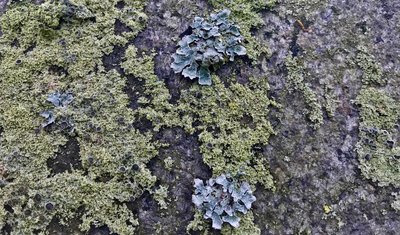
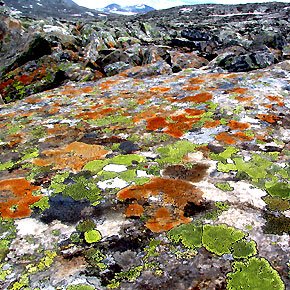
Primary succession: Occurs in areas where no soil or living organisms initially exist, such as after lava flows or on bare rock. Pioneer species like lichens and mosses are the first to colonize these areas.
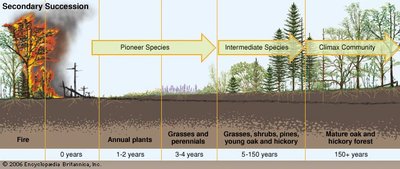
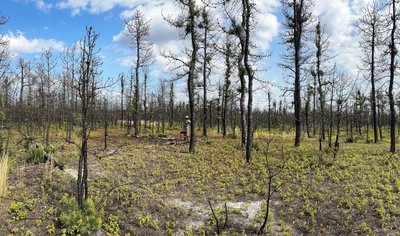
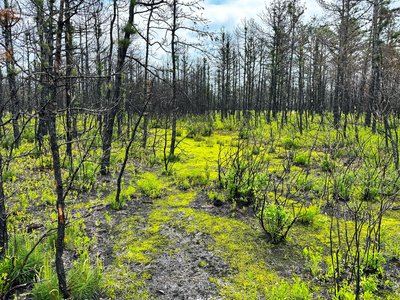
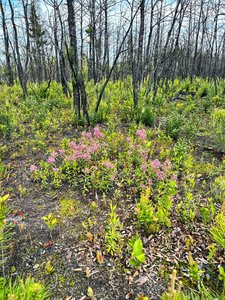
Secondary succession: Follows disturbances (e.g., fire, flood) that do not eliminate all life and soil from an area. Succession restarts at a more advanced stage, with soil and some organisms already present.
Moderate succession: Moderate or negligible disturbances can increase community diversity by creating new habitats for less competitive species.
Large-scale succession (Old-field succession): Occurs in abandoned fields or forests, involving colonization by multicellular, sexually reproducing, long-lived species.
Stages of Succession
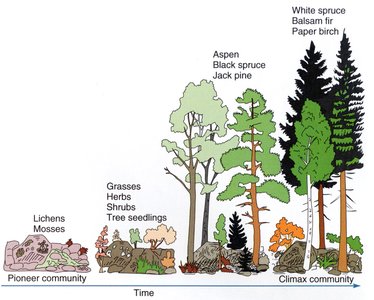
Succession proceeds through a series of stages, each characterized by different dominant species and community structures.
Pioneer stage: Colonization by hardy species (lichens, mosses) that can survive harsh conditions and initiate soil formation.
Intermediate stages: Grasses, herbs, and shrubs establish as soil quality improves, followed by fast-growing trees.
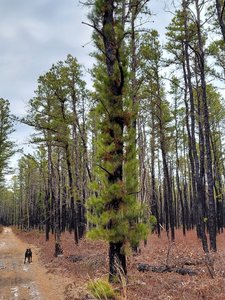
Climax community: A stable, mature community dominated by long-lived species (e.g., hardwood trees in forests).
Examples of Succession
Forest succession: After a fire, annual plants colonize first, followed by perennials, shrubs, and eventually mature trees.
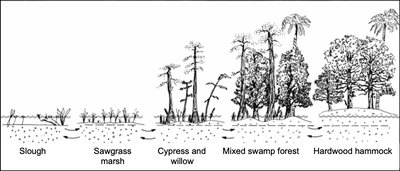
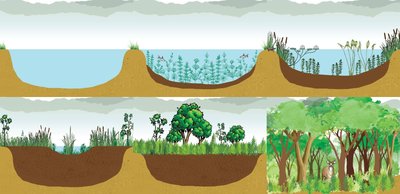
Wetland succession: Aquatic environments may transition to terrestrial forests through gradual infilling and vegetation changes.
Microbial Succession
Succession in Microbial Communities
Microbial succession refers to the sequential colonization and replacement of microbial species in a given environment. This process is observed in natural settings (e.g., soil, water) and in food products (e.g., milk, cocoa fermentation).
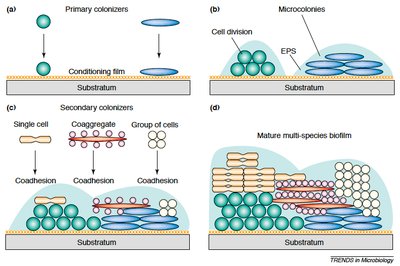
Biofilm formation: Microbial communities develop on surfaces through stages of colonization, growth, and maturation.
Degradative succession: In nutrient-rich environments like milk, microbial succession is driven by the availability of energy sources, with different species dominating at various stages.
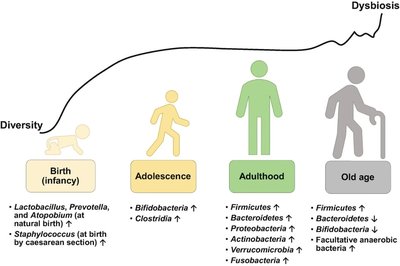
Succession in the Human Microbiome
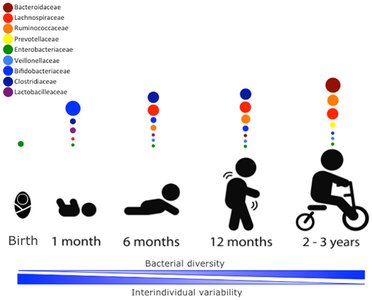
The human microbiome undergoes succession from birth through old age, with changes in bacterial diversity and composition influenced by diet, environment, and health status.
Infancy: Initial colonization by bacteria such as Lactobacillus and Staphylococcus.
Adolescence to adulthood: Increased diversity, with dominance of Bifidobacteria, Firmicutes, and Bacteroidetes.
Old age: Shifts in community structure and potential for dysbiosis (microbial imbalance).
Succession in Milk
Microbial Succession in Milk
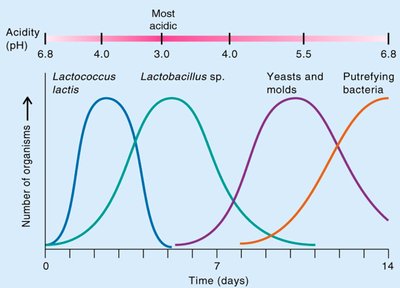
Milk provides a model system for studying microbial succession due to its rich nutrient content and predictable changes over time. Pasteurization reduces but does not eliminate all bacteria, allowing for a sequence of microbial growth and metabolic activity.
Early stage: Pseudomonas and Achromobacter (Gram-negative rods) digest butterfat, causing putrid odors.
Fermentation stage: Lactobacillus and Streptococcus (Gram-positive) ferment lactose to lactic and acetic acids, souring the milk and curdling casein.
Late stage: Yeasts and molds metabolize acids; Bacillus species degrade proteins, raising pH and producing ammonia.
Cheese and fermented products: Controlled succession yields products like cheese, yogurt, and sour cream.
Biochemical Pathways in Milk Succession
Lactose (milk sugar) is converted to lactic acid by bacterial lactase.
Further metabolism by bacteria and yeasts alters the chemical environment, influencing which organisms can thrive.
Physical and Microbial Changes in Milk Over Time
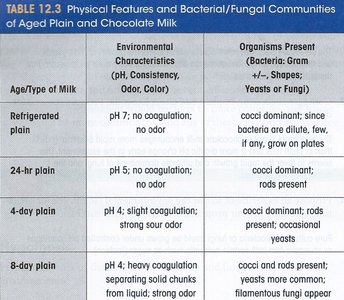
Tables below summarize the physical features and dominant microbial communities in aged plain and chocolate milk.
Age/Type of Milk | Environmental Characteristics (pH, Consistency, Odor, Color) | Organisms Present (Bacteria: Gram +/-, Shapes; Yeasts or Fungi) |
|---|---|---|
Refrigerated plain | pH 7; no coagulation; no odor | cocci dominant; few bacteria |
24-hr plain | pH 5; no coagulation; no odor | cocci dominant; rods present |
4-day plain | pH 4; slight coagulation; strong sour odor | cocci dominant; rods present; occasional yeasts |
8-day plain | pH 4; heavy coagulation; strong odor | cocci and rods present; filamentous fungi appear |
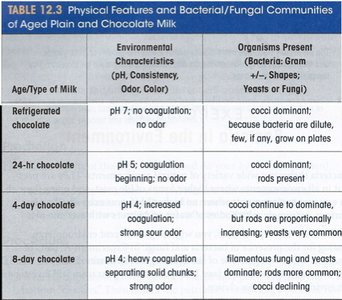
Age/Type of Milk | Environmental Characteristics (pH, Consistency, Odor, Color) | Organisms Present (Bacteria: Gram +/-, Shapes; Yeasts or Fungi) |
|---|---|---|
Refrigerated chocolate | pH 7; no coagulation; no odor | cocci dominant; few bacteria |
24-hr chocolate | pH 5; coagulation beginning; no odor | cocci dominant; rods present |
4-day chocolate | pH 4; increased coagulation; strong sour odor | cocci continue to dominate; rods and yeasts more common |
8-day chocolate | pH 4; heavy coagulation; strong odor | filamentous fungi and rods more common; cocci declining |
Key Terms and Concepts
Autotroph: Organism that produces its own food from inorganic substances.
Heterotroph: Organism that obtains energy by consuming other organisms.
Pioneer species: First organisms to colonize a barren environment.
Climax community: Stable, mature community at the end of succession.
Dysbiosis: Imbalance in the composition of the microbiome, often associated with disease.
Summary
Succession is a dynamic process shaping the development and recovery of ecosystems, from forests and wetlands to microbial communities in food and the human body. Understanding succession provides insight into ecological resilience, biodiversity, and the interplay between organisms and their environment.
