Back
Ecology and Global Change: Drivers, Impacts, and Conservation
Study Guide - Smart Notes
 Tailored notes based on your materials, expanded with key definitions, examples, and context.
Ecology: Global Change
Introduction to Global Change Ecology
Global change ecology is the study of how large-scale environmental changes, primarily driven by human activities, impact ecosystems, biodiversity, and the functioning of the biosphere. Understanding these changes is crucial for predicting future ecological scenarios and developing strategies for conservation and sustainability.
Major Drivers of Global Change
Land Use Change
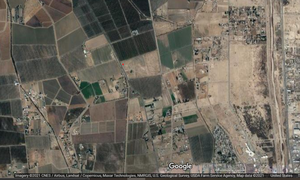
Land use change refers to the transformation of natural landscapes for human purposes such as agriculture, urbanization, and infrastructure development. This process often leads to habitat loss, fragmentation, and altered ecosystem processes.
Habitat Loss: Conversion of forests, wetlands, and other natural habitats into farmland or urban areas reduces available space for wildlife.
Fragmentation: Remaining habitats are divided into smaller patches, affecting species movement and genetic diversity.
Example: Satellite imagery can reveal patterns of agricultural expansion and urban sprawl.
Invasive Species
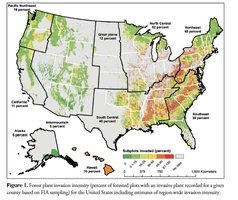
Invasive species are non-native organisms that establish, spread, and cause harm in new environments. They can outcompete native species, disrupt ecosystem functions, and lead to economic losses.
Ecological Impact: Invasive plants and animals can alter food webs, nutrient cycling, and habitat structure.
Economic Costs: Management and damage from invasives cost billions annually.
Example: Maps can show the intensity of plant invasions across regions.
Pollution
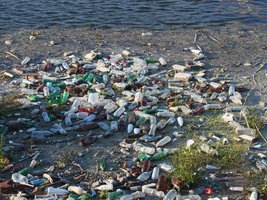
Pollution involves the introduction of harmful substances into the environment, originating from point sources (e.g., factories) or non-point sources (e.g., agricultural runoff). Pollution can degrade air, water, and soil quality, affecting both wildlife and human health.
Types: Chemical pollutants, plastics, heavy metals, and nutrient overloads (eutrophication).
Example: Accumulation of plastic waste in aquatic environments.
Climate Change
Climate change refers to long-term alterations in temperature, precipitation, and weather patterns, primarily due to increased greenhouse gas emissions from human activities. The Intergovernmental Panel on Climate Change (IPCC) provides scientific assessments of these changes.
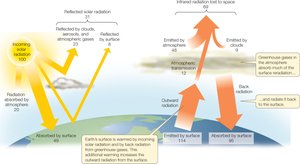
Greenhouse Effect: Greenhouse gases trap heat in the atmosphere, warming the planet.
Impacts: Rising sea levels, altered precipitation, extreme weather, and shifts in species distributions.
Earth's Radiation Budget: The balance between incoming solar radiation and outgoing infrared radiation determines Earth's climate.
Solar Energy and Latitude
Solar energy input varies with latitude, influencing climate zones and ecosystem productivity. The tropics receive more direct sunlight, driving atmospheric circulation and weather patterns.
Atmospheric Circulation: Warm air rises at the equator and moves toward the poles, creating global wind and precipitation patterns.
Biogeochemical Cycles: The Carbon Cycle
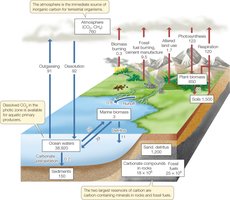
The carbon cycle describes the movement of carbon among the atmosphere, biosphere, hydrosphere, and geosphere. Human activities, such as fossil fuel burning and deforestation, have significantly altered this cycle, increasing atmospheric CO2 and contributing to climate change.
Key Processes: Photosynthesis, respiration, decomposition, fossil fuel combustion, and ocean-atmosphere exchange.
Major Reservoirs: Atmosphere, terrestrial biomass, oceans, sediments, and fossil fuels.
Equation: (photosynthesis)
Conservation Biology
Definition and Goals
Conservation biology is the scientific study of biodiversity with the aim of protecting species, ecosystems, and genetic diversity from decline and extinction. It is a multidisciplinary field, integrating ecology, genetics, policy, and management.
Basic Science: Understanding natural processes and evolutionary history.
Applied Science: Developing practical solutions for conservation and management.
Biodiversity
Biodiversity refers to the variety and variability of life forms within a given ecosystem, biome, or the entire planet. High biodiversity is linked to ecosystem resilience and the provision of ecosystem services.
Importance: Supports ecosystem functions such as pollination, nutrient cycling, and climate regulation.
Threats to Biodiversity and Endangered Species
Biodiversity faces threats from both natural and human-induced factors. While natural disturbances (e.g., storms, fires) are typically short-term, human activities have accelerated rates of extinction and ecosystem degradation.
Natural Factors: Disturbances, geological climate changes, deleterious genetic factors.
Human Activities: Habitat loss, climate change, overharvesting, pollution, biological invasions.
Conservation Strategies
Effective conservation requires a combination of strategies, including habitat protection, species management, restoration ecology, and policy advocacy.
Habitat Protection: Establishing reserves and protected areas.
Species Management: Breeding programs, reintroductions, and population monitoring.
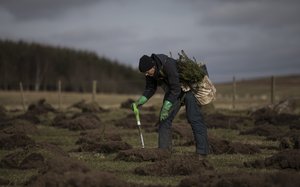
Restoration Ecology: Rehabilitating degraded ecosystems.
Policy and Advocacy: Enacting laws and raising public awareness.
Success Story: Humpback Whale
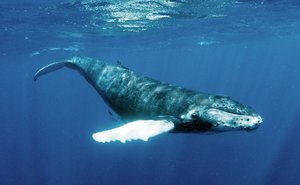
The humpback whale (*Megaptera novaeangliae*) is an example of a conservation success. Once endangered due to commercial hunting, international protection and the Endangered Species Act (1970) have enabled population recovery.
Protection: International law and national legislation.
Outcome: Increased population numbers and improved conservation status.