 Back
Back10.2 Ecology and Human Impact: An Introduction to Environmental Interactions
Study Guide - Smart Notes
 Tailored notes based on your materials, expanded with key definitions, examples, and context.
Ecology and You
Understanding Human Impact on the Environment
Ecology is the study of interactions between organisms and their environment, including the effects of human activities. Every individual has a measurable impact on ecological systems through resource consumption and waste production. Understanding these impacts is essential for making informed decisions that promote environmental sustainability.
Water Sources: The origin of your water supply affects local ecosystems and resource management strategies.
Energy Generation: The methods used to generate electricity influence greenhouse gas emissions and resource depletion.
Food Production: The location and methods of food production impact land use, water consumption, and energy use.
Resource Use in Diet: Different foods require varying amounts of water and energy to produce, affecting ecological footprints.
Seafood Sustainability: The methods used to harvest seafood can have significant ecological consequences, such as bycatch and habitat destruction.
Pet Origins: The source of pets can influence wild populations and biodiversity.
Water: Sources and Treatment
Where Does Your Water Come From?
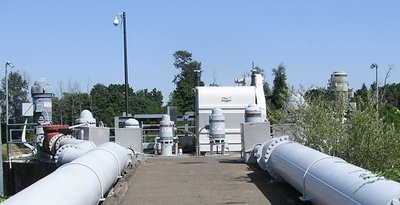
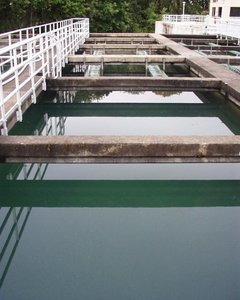
Municipal water supplies are often sourced from local rivers, lakes, or reservoirs and treated at water treatment plants before distribution. The sustainability of water use depends on both the source and the efficiency of treatment and distribution systems.
Example: The Taylor Treatment Plant in southeast Corvallis draws water from the Willamette River, highlighting the connection between local water bodies and human consumption.


Energy and Electricity
How Is Your Electricity Generated?
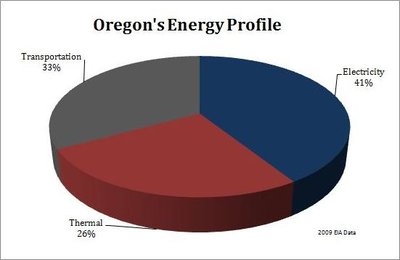
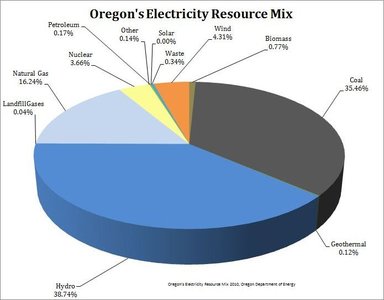
Electricity generation relies on a mix of energy sources, each with distinct environmental impacts. The energy profile of a region determines the proportion of electricity, transportation, and thermal energy use, as well as the mix of renewable and non-renewable resources.
Key Sources: Hydro, coal, natural gas, nuclear, wind, solar, and biomass.
Environmental Impact: Fossil fuels contribute to greenhouse gas emissions, while renewables like hydro and wind have lower emissions but may affect habitats.
Food Production and Sustainability
Where Is Your Food Grown?
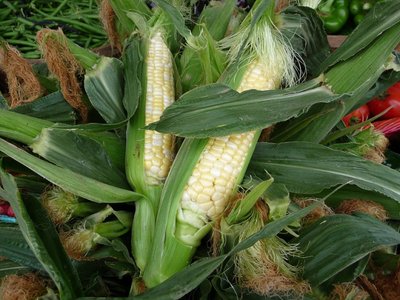
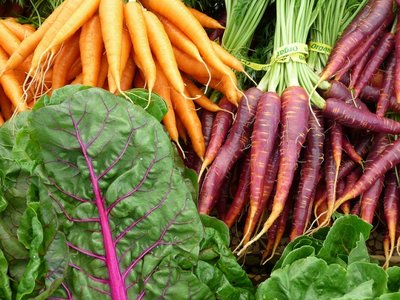
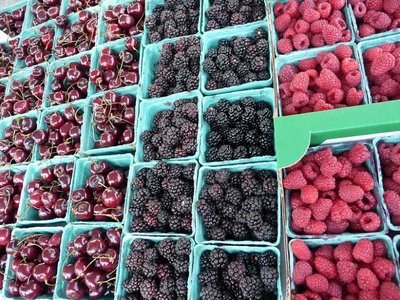
The distance food travels from production to consumption ("food miles") and the methods used in agriculture affect energy use, emissions, and ecological impact. Local and organic foods often have lower environmental footprints.
Local Food: Reduces transportation emissions and supports regional ecosystems.
Organic Farming: Minimizes chemical inputs and promotes soil health.



Resource Use in Meat Production
Animal agriculture is resource-intensive, requiring significant water and feed inputs. The ecological footprint of meat varies by type:
Beef: 1 lb of beef requires approximately 1,857 gallons of water and 7 pounds of corn.
Chicken: 1 lb of chicken requires about 469 gallons of water and 2.6 pounds of corn.
Example: Reducing meat consumption or choosing less resource-intensive meats can lower individual environmental impact.
Benefits of Local and Organic Meals
If every US citizen ate one local/organic meal per week, national oil consumption could be reduced by 1.1 million barrels per week, demonstrating the collective power of individual choices.
Seafood Sustainability
How Sustainable Is Your Seafood?
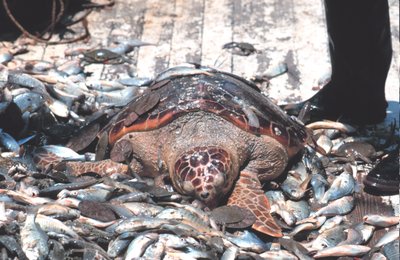
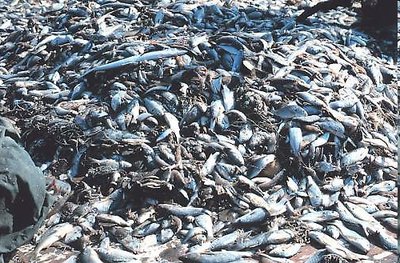
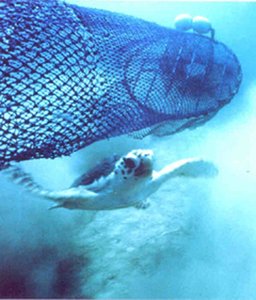
Seafood sustainability depends on fishing methods and the management of fish populations. Unsustainable practices, such as shrimp trawling, result in high bycatch rates, threatening non-target species and ecosystem health.
Shrimp Trawling: For every 1 pound of shrimp caught, 3-15 pounds of bycatch (unintended marine life) are also captured.
Bycatch: Includes fish, turtles, and other marine organisms, many of which are discarded and do not survive.
Seafood Watch Programs: Organizations like the Monterey Bay Aquarium provide guidance on sustainable seafood choices.

Pets and Biodiversity
Where Did Your Pet Come From?
The pet trade can impact wild populations, especially when animals are captured from their natural habitats. Responsible pet ownership includes understanding the origins of pets and supporting sustainable practices.
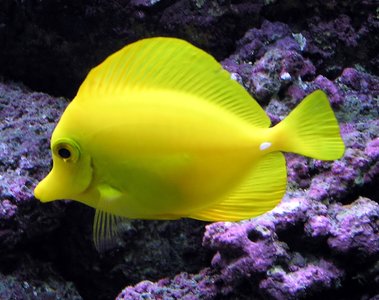
Example: The aquarium trade for ornamental fish can threaten wild populations if not managed sustainably.
Academic and Career Opportunities in Ecology
Exploring Ecology as a Field of Study
Ecology is a multidisciplinary science with applications in zoology, botany, forestry, fisheries, wildlife, crop and soil sciences, and environmental sciences. Students interested in ecology can pursue coursework, research, and fieldwork in these areas.
Departments: Zoology, Botany and Plant Pathology, Forestry, Fisheries and Wildlife, Crop and Soil Sciences, Environmental, Oceanic, and Atmospheric Sciences.
Opportunities: Volunteering or working with researchers, especially in summer fieldwork, provides practical experience in ecological research.
